The most advanced surgical outcomes are rarely the result of a larger hospital system. Instead, they stem from the precision of a practitioner who specializes in the preservation of your native anatomy. If you’re managing persistent joint pain or a sudden ligament tear, the choice of your orthopedic sports medicine specialist NJ determines your long-term mobility. You likely want more than a generic diagnosis. You deserve a clinical environment where technical expertise meets a personalized recovery strategy.
We understand the apprehension that comes with potential surgery and the desire to avoid the bureaucratic delays of large medical networks. This guide outlines how to select a board-certified expert in North Jersey who utilizes minimally invasive methodologies to accelerate healing. We’ll examine the diagnostic process for complex joint injuries and highlight cutting-edge solutions available in Nutley, such as the BEAR® Implant, which are designed to restore function while maintaining your body’s natural structures. By focusing on innovative, less disruptive alternatives to traditional surgery, you can move toward a recovery that is both efficient and medically sound.
Key Takeaways
- Understand the critical distinction between general orthopedic surgery and specialized sports medicine to ensure your care aligns with specific athletic recovery goals.
- Identify the essential criteria for selecting an orthopedic sports medicine specialist NJ, focusing on board certification and expertise in minimally invasive arthroscopy.
- Explore the clinical advantages of the BEAR® Implant, a revolutionary technology that enables the body to heal its own ACL rather than replacing it with a graft.
- Learn about comprehensive treatment pathways for complex joint issues, including rotator cuff repairs and labral tear management, tailored to your specific activity level.
- Discover how localized care in Nutley facilitates a more personalized recovery experience compared to the often impersonal nature of large, regional hospital systems.
What Defines an Orthopedic Sports Medicine Specialist in NJ?
Choosing a physician for a musculoskeletal injury requires understanding the specific sub-specialties within the surgical field. While every orthopedic surgeon completes a residency focused on the skeletal system, an orthopedic sports medicine specialist NJ possesses a more focused clinical lens. This role isn’t limited to treating professional athletes. It encompasses any patient whose goal is to return to an active lifestyle, whether that involves competitive sports or simply walking without discomfort. The specialized training allows for a diagnostic approach that considers the patient’s long-term functional demands rather than just immediate pain relief.
The scope of Orthopaedic sports medicine involves the investigation and treatment of injuries resulting from athletic activity. These specialists manage both acute trauma, such as ligament tears and sudden fractures, and chronic overuse conditions like tendonitis or stress reactions. The primary objective is rarely just the absence of pain; it is the restoration of optimal mechanical function. This requires a deep understanding of how specific movements impact joint health over time.
The Distinction Between General Orthopedics and Sports Medicine
A general orthopedist often manages a broad spectrum of conditions, including systemic bone diseases and total joint replacements for advanced geriatric arthritis. In contrast, a sports medicine specialist typically completes an additional year of fellowship training. This intensive period focuses exclusively on soft tissue repair and joint-preserving techniques. They prioritize methods that salvage the patient’s existing anatomy rather than replacing it with artificial components.
The clinical approach also differs significantly in how it manages the “return to play” timeline. Sports specialists use precise biomechanical assessments to determine when a patient can safely resume high-impact activities. This careful management helps prevent the recurrence of injuries, ensuring that the repaired tissue can withstand the specific stresses of the patient’s chosen activity.
Board Certification: Why It Matters for Your Recovery
Patients in Nutley and Clifton should prioritize surgeons who are board-certified by the American Board of Orthopaedic Surgery (ABOS). This credential signifies that the surgeon has passed rigorous written and oral examinations and maintains a high standard of ongoing clinical education. It acts as a benchmark for professional excellence and safety.
For those seeking an orthopedic sports medicine specialist NJ, board certification ensures the practitioner is proficient in the latest minimally invasive arthroscopic techniques. These procedures involve smaller incisions, which lead to less tissue disruption and potentially faster recovery times. Specialized knowledge in these areas leads to better outcomes in complex repairs, such as the BEAR® Implant or advanced rotator cuff reconstruction. When a surgeon is board-certified, it provides an objective layer of security, confirming they have met national standards for technical precision and surgical ethics.
Choosing the Right Sports Medicine Clinic: Essential Criteria
Selecting a clinic involves more than checking insurance lists or finding the nearest office. It requires a meticulous evaluation of the surgeon’s technical approach and the facility’s commitment to modern technology. While general resources provide a broad overview of what an orthopedic surgeon does, your recovery depends on the specific expertise of an orthopedic sports medicine specialist NJ. The right choice balances high-level surgical innovation with the logistical ease of local care.
Evaluating Surgical Philosophy: Minimally Invasive vs. Traditional
The distinction between traditional open surgery and modern arthroscopy is significant. Minimally invasive techniques utilize small incisions and fiber-optic cameras to repair joints with minimal disruption to surrounding muscles and tendons. This approach reduces post-operative pain and decreases the risk of infection. When you consult with a surgeon, ask about their experience with joint-preserving techniques. You should feel confident that they prioritize saving your natural ligaments and cartilage whenever possible. Questions to consider include:
- What percentage of your practice is dedicated to arthroscopic repair?
- Do you offer bridge-enhanced ACL repair using the BEAR® Implant?
- How does your surgical approach specifically limit trauma to the healthy tissue around my injury?
A surgeon who focuses on native healing often delivers superior functional results compared to those who rely on older, more aggressive methods. This philosophy is especially critical for athletes who need their joints to withstand high-impact stress in the future.
The Advantage of a Specialized Private Institute
Large hospital systems frequently struggle with bureaucratic layers that can make patient care feel impersonal. In a specialized private institute, the environment is tailored to the needs of the active individual. You benefit from seeing the same board-certified surgeon throughout the entire care cycle, from the initial diagnostic imaging to the final clearance for athletic activity. This continuity is essential for tracking subtle changes in your recovery progress.
For residents in Nutley, North Arlington, and Kearny, the convenience of a local practice cannot be overstated. Frequent travel to a distant medical center adds unnecessary stress to the rehabilitation process. A local specialist can also coordinate more effectively with physical therapists in Bloomfield and Belleville. This professional synergy ensures that your rehabilitation protocol aligns perfectly with the surgical intervention. If you’re ready to discuss a personalized recovery plan, you can learn more about our approach to specialized care.
Specialized Treatment for Athletic Injuries in North Jersey
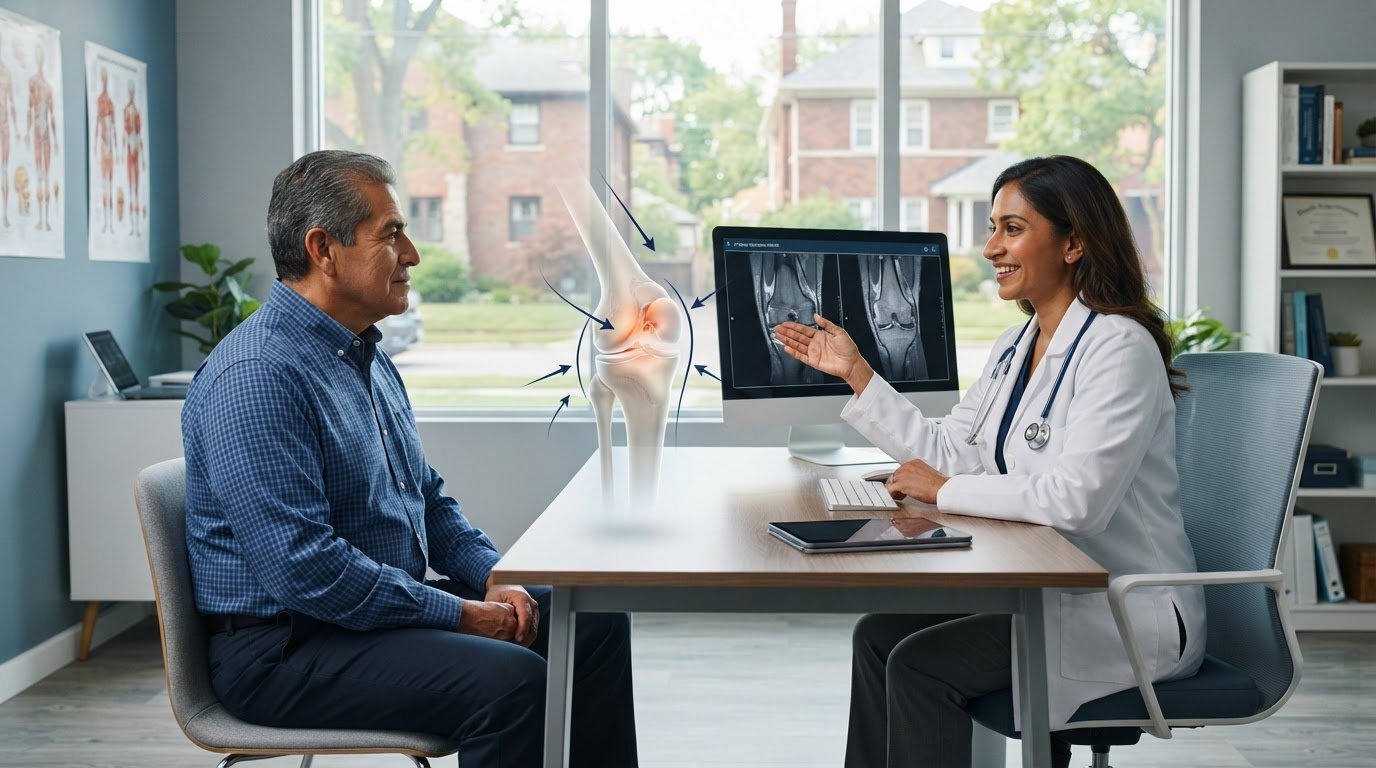
High-level recovery begins with a granular understanding of the injury’s pathology. An orthopedic sports medicine specialist NJ uses a systematic diagnostic process to differentiate between acute structural damage and chronic degenerative changes. This starts with a comprehensive physical examination to test joint stability, strength, and range of motion. We often utilize high-resolution MRI and digital X-rays to visualize soft tissue integrity and bone alignment. This data-driven approach ensures that the resulting treatment plan is medically precise and tailored to the patient’s specific activity level.
The standard for expert care in New Jersey involves moving beyond simple symptom management. Whether treating a recreational runner or a collegiate athlete, the goal is to resolve the underlying mechanical issue. This is especially true for managing tendon injuries and chronic joint instability, which require specific strengthening protocols or surgical stabilization to prevent long-term arthritic changes. By addressing these issues early, we can often avoid the need for more invasive procedures later in life.
Advanced Knee Care: ACL and Labral Tear Treatment
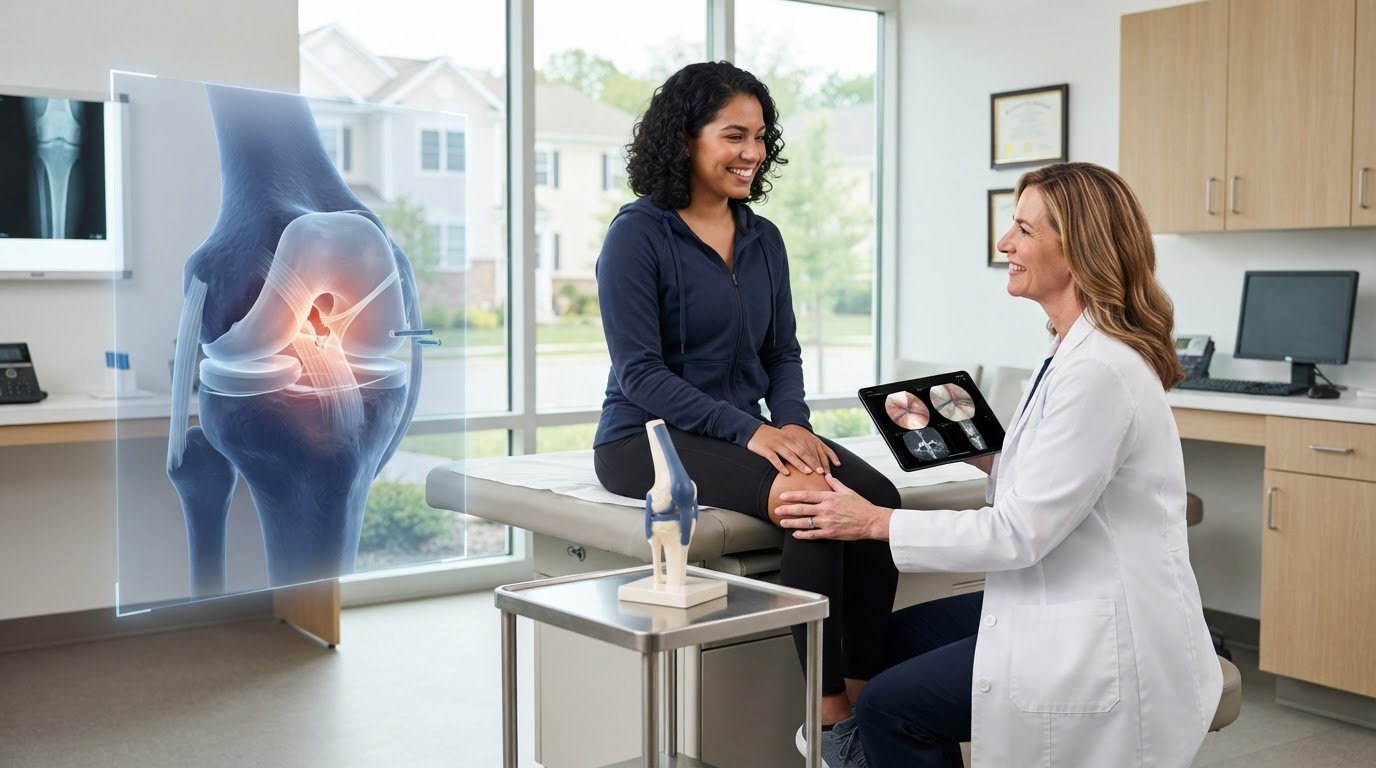
Knee injuries often involve complex interactions between ligaments and cartilage. We prioritize meniscus preservation techniques, which aim to repair and save the natural cushioning of the knee rather than performing a meniscectomy, which is the surgical removal of the tissue. Modern protocols for labral tear shoulder treatment also emphasize this restorative philosophy, ensuring the labrum is securely reattached to provide joint stability. For patients experiencing deep, catching joint pain that standard imaging has failed to explain, pursuing an accurate labral tear diagnosis in New Jersey through specialized provocation exams and advanced MRA imaging is a critical first step. For knee cartilage injuries, we employ specialized imaging sequences to detect early-stage defects. This allows for early intervention before the injury progresses to bone-on-bone contact.
Shoulder Excellence: Rotator Cuff and Arthritis Management
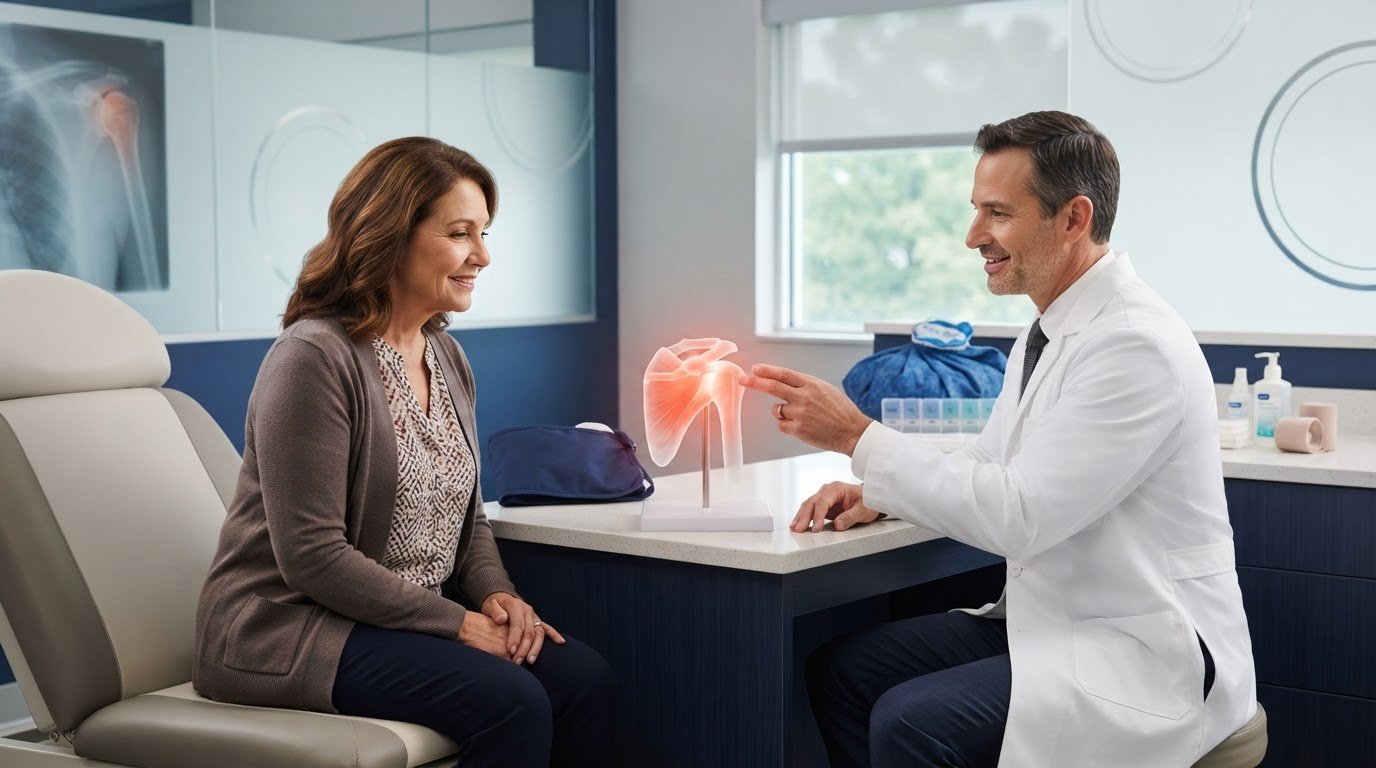
Shoulder functionality is frequently compromised by either traumatic events or the cumulative wear of repetitive motion. There are various rotator cuff repair options tailored to the size, shape, and location of the tear. While a traumatic tear in a younger patient often requires immediate surgical stabilization, degenerative tears in active adults might involve a combination of arthroscopic debridement and specialized physical therapy. It’s vital to distinguish these injuries from more systemic conditions like arthritis.
Shoulder arthritis is the breakdown of cartilage leading to bone-on-bone friction. This condition often presents as a deep, persistent ache and a noticeable loss of mobility. Distinguishing between this degenerative state and a dynamic injury like a labral tear is essential for determining if the patient is a candidate for joint-preserving arthroscopy. An orthopedic sports medicine specialist NJ can provide the diagnostic clarity needed to choose the most effective path toward a pain-free lifestyle.

The Future of Recovery: Minimally Invasive Techniques and Native Healing
The paradigm of sports medicine is shifting from structural substitution to biological restoration. For decades, a torn ACL meant a complete reconstruction using tissue harvested from another part of the body. Today, an orthopedic sports medicine specialist NJ can offer technologies that facilitate the body’s natural healing processes. This evolution is driven by the clinical desire to maintain the complex proprioception and biomechanics of the original joint, rather than relying on a synthetic or donor graft.
Restoring native anatomy is the primary goal for active patients who want to return to their peak performance levels. It’s a philosophy that prioritizes the preservation of healthy tissue while utilizing advanced scaffolds to repair damage. This approach is particularly effective in addressing ligament and cartilage injuries that previously required more aggressive interventions.
The BEAR® Implant: ACL Repair Without a Graft
The Bridge-Enhanced ACL Restoration (BEAR®) procedure represents a significant leap in surgical innovation. Unlike traditional reconstruction, which removes the torn ligament, the BEAR® Implant acts as a biological scaffold. This protein-based sponge is injected with the patient’s blood and placed between the torn ends of the ACL. It provides a bridge that allows the ligament to knit back together naturally.
Patients choosing BEAR implant ACL repair New Jersey often experience a more natural-feeling knee post-recovery. Because the original ligament is preserved, the nerve endings that provide balance and spatial awareness remain intact. This technology is now accessible to residents in Nutley and Clifton, providing a sophisticated alternative to the more invasive graft-based surgeries used for years.
Arthroscopy: Precision Care Through Small Incisions
Arthroscopic surgery remains the clinical standard for minimally invasive joint repair. By using an arthroscope, a pencil-sized camera, an orthopedic sports medicine specialist NJ can visualize the internal structures of a joint with extreme clarity. This tool allows for the treatment of various conditions through incisions often less than a centimeter long. Common arthroscopic procedures include:
- Repairing torn menisci in the knee.
- Stabilizing labral tears in the shoulder.
- Debriding loose cartilage or bone fragments.
- Reconstructing rotator cuff tendons.
The benefits of this approach are clinically documented. Smaller incisions result in significantly less post-operative pain, a lower risk of infection, and minimal scarring. For the patient, this means a faster transition from the operating room to active rehabilitation. The precision of arthroscopy ensures that healthy tissue is left undisturbed while the injury is corrected at the source. Contact our Nutley office today to discuss your recovery options.
Navigating Your Orthopedic Care in Nutley and Surrounding Communities
Accessing high-level surgical expertise shouldn’t require a commute into a congested urban hospital system. For residents of Bloomfield and Belleville, the transition from injury to recovery is most effective when managed by a local orthopedic sports medicine specialist NJ who understands the community’s athletic landscape. Personalized care in a private institute setting allows for a direct line of communication between the patient and the surgeon, ensuring that every phase of the recovery is monitored with clinical precision. This localized approach eliminates the administrative friction often found in regional medical networks.
Your First Consultation: What to Expect
The initial diagnostic appointment is a comprehensive evaluation of your joint’s mechanical integrity. We begin with a detailed review of your symptoms and the specific mechanism of your injury. A physical examination follows, where we assess range of motion, localized tenderness, and ligamentous stability. While we utilize in-office diagnostics for immediate assessment, we may also coordinate high-resolution external imaging to confirm complex pathologies. Our clinical philosophy always prioritizes non-surgical interventions, such as specialized bracing or targeted physical therapy, before recommending surgical repair. We only move toward intervention when conservative methods are insufficient to meet your functional goals.
To maximize the efficiency of your consultation, please prepare the following information:
- Copies of any previous imaging studies, such as X-rays or MRIs, on a CD or via digital access.
- A detailed timeline of your symptoms and any previous treatments you’ve attempted.
- A current list of medications and any known allergies.
- Specific questions regarding modern alternatives to traditional surgery, such as the BEAR® Implant or arthroscopic debridement.
Coordinating Recovery in North Jersey
Successful surgical outcomes are heavily dependent on the quality of post-operative rehabilitation. We maintain close professional relationships with physical therapy centers in Lyndhurst and Kearny to ensure your rehab protocol is executed exactly as intended. This coordination allows us to adjust your recovery plan in real-time based on your biological healing response. We don’t just perform the procedure; we manage the entire ecosystem of your recovery.
For local student-athletes and active adults, we establish rigorous “Return to Sport” milestones. These are objective benchmarks in strength, balance, and agility that must be met before resuming high-impact activities. By receiving world-class care right in Nutley, you benefit from the convenience of local follow-up appointments and a surgeon who is deeply invested in the long-term health of the community. Choosing an orthopedic sports medicine specialist NJ who operates within this local framework ensures that your path back to peak performance is both safe and scientifically sound.
Secure Your Path to Optimal Recovery
Choosing the right surgical partner is the most critical step in your rehabilitation journey. By prioritizing a board-certified expert who utilizes minimally invasive arthroscopy and advanced native healing technologies like the BEAR® Implant, you ensure that your treatment aligns with the highest clinical standards. We’ve explored how specialized sports medicine focuses on preserving your natural anatomy to maximize long-term joint stability and performance, rather than simply managing symptoms.
If you’re managing a persistent injury or a recent ligament tear, an orthopedic sports medicine specialist NJ can provide the diagnostic clarity and innovative solutions required for a successful return to sport. Our Nutley-based practice serves the active communities of Clifton and Bloomfield with a focus on personalized, patient-centered care. You don’t have to navigate complex hospital bureaucracies to receive elite-level surgical intervention. Schedule a Consultation with Our Board-Certified Specialist to begin your personalized recovery plan today. Your mobility is our priority, and we’re committed to helping you return to the activities you love with confidence and strength.
Frequently Asked Questions
What is the difference between an orthopedic surgeon and a sports medicine specialist?
A sports medicine specialist is an orthopedic surgeon who has completed an additional year of fellowship training focused exclusively on athletic injuries and joint preservation. While all sports specialists are orthopedic surgeons, not all surgeons specialize in sports medicine. This sub-specialty prioritizes restoring high-level function and returning patients to active lifestyles using advanced, often minimally invasive techniques that preserve the patient’s native anatomy.
How do I know if I need surgery for my sports injury?
Surgery is typically considered when conservative treatments, such as physical therapy, activity modification, or bracing, fail to restore joint stability or relieve persistent pain. A diagnostic evaluation by an orthopedic sports medicine specialist NJ involves physical testing and imaging to determine if structural damage, like a full ligament tear, requires surgical intervention. We prioritize non-operative paths whenever clinically viable for the patient’s specific recovery goals.
Does the BEAR® Implant require a graft from my own body?
No, the BEAR® Implant does not require a secondary graft site from your patellar or hamstring tendons. Unlike traditional ACL reconstruction, which replaces the torn ligament with a graft, this technology uses a bio-active scaffold to help your native ACL heal itself. This approach eliminates the donor site morbidity and additional pain associated with harvesting healthy tissue from another part of your body during the procedure.
Is minimally invasive surgery always an option for rotator cuff tears?
Most rotator cuff tears can be addressed through minimally invasive arthroscopy, though the specific approach depends on the tear’s size and chronicity. Small to medium tears are excellent candidates for all-arthroscopic repair using tiny incisions and a fiber-optic camera. In rare cases involving massive, retracted tears or significant bone loss, a mini-open approach might be necessary to ensure a durable and successful structural repair.
How long is the recovery time after a sports-related orthopedic surgery?
Recovery timelines vary based on the specific procedure, but most patients begin light physical therapy within one to two weeks post-operation. For major ligament repairs like an ACL reconstruction or BEAR® procedure, a full return to high-impact sports typically takes six to nine months. We use objective biomechanical milestones to ensure the joint is sufficiently stable before clearing any patient for full athletic competition.
Do you treat non-athletes at your sports medicine clinic?
Yes, we treat any individual experiencing joint pain or injury who wishes to maintain an active lifestyle. The sports medicine designation refers to the specialized techniques used to preserve joints and restore high-level function, not the patient’s professional athletic status. Whether you’re a recreational walker or a weekend gardener, you receive the same advanced surgical and non-surgical care used for competitive athletes.
What insurance plans are typically accepted for orthopedic consultations in NJ?
Our Nutley office participates with a wide range of major insurance providers common in Northern New Jersey. Because coverage varies significantly between individual plans and employers, we recommend contacting our administrative team directly to verify your specific benefits. We also provide guidance on navigating the prior authorization process for advanced procedures like the BEAR® Implant or complex arthroscopic repairs to ensure your care is coordinated.
Can I get a second opinion on a recommended ACL reconstruction?
Seeking a second opinion is a standard and encouraged practice in orthopedic surgery to ensure you’re comfortable with your proposed treatment. An orthopedic sports medicine specialist NJ can review your existing imaging and provide an independent assessment of your injury. This consultation often explores modern alternatives, such as native ligament preservation or minimally invasive techniques, that may not have been discussed during your initial evaluation.