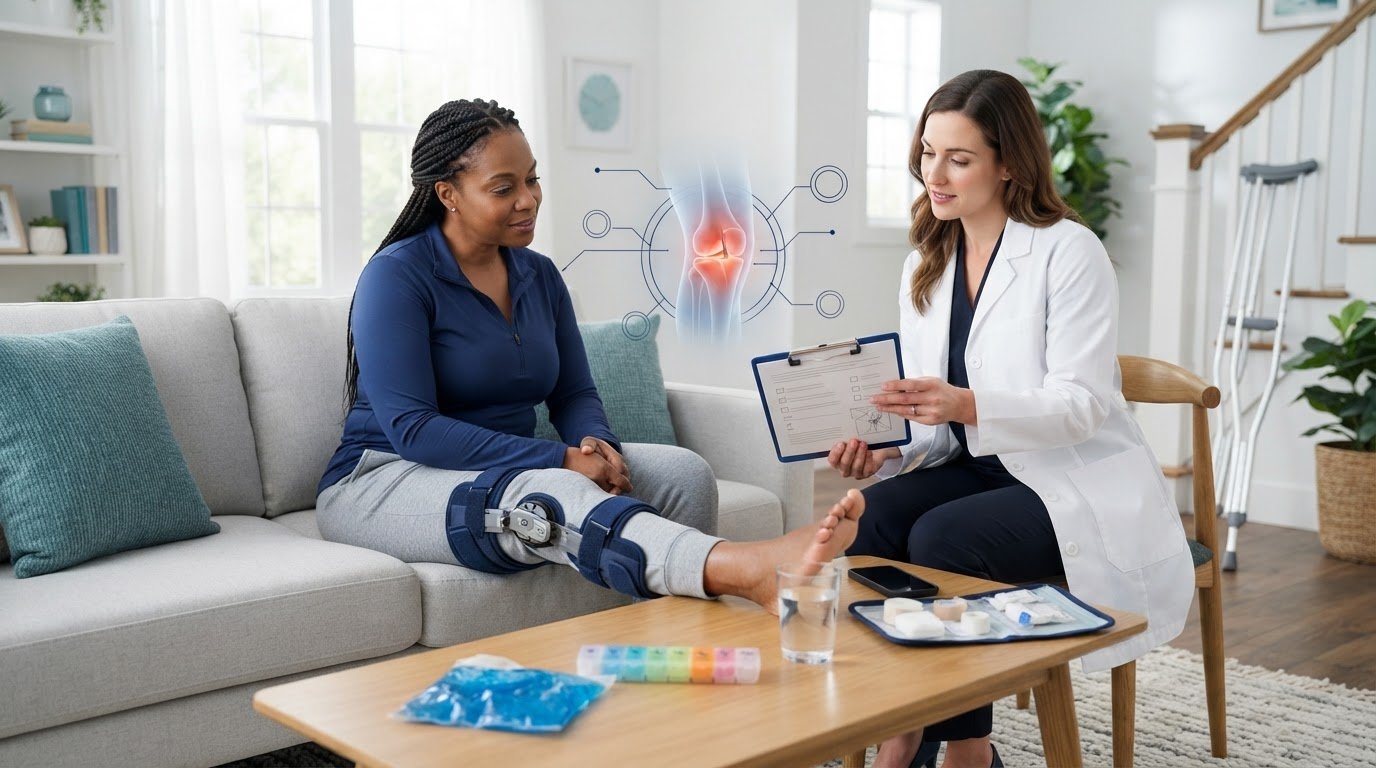
Did you know that 2026 clinical data reveals an 81.81% success rate for arthroscopic meniscus repairs in patients over the age of 50? This statistic fundamentally shifts the conversation around knee preservation, yet many patients still feel paralyzed by uncertainty. You’re likely worried about how much work leave you’ll require or if you’ll face long-term instability after your procedure. It’s common to feel overwhelmed by conflicting advice regarding whether you need a complex repair or a simple trimming. Understanding the meniscus tear surgery recovery time is the first step toward regaining your confidence and your mobility.
We recognize that your primary goal is a safe, efficient return to the activities you love in North Jersey. This guide delivers a precise, week-by-week timeline tailored to the latest minimally invasive surgical standards. You’ll discover the specific milestones that define a successful rehabilitation and learn how modern tissue-preservation techniques help minimize scar tissue. We’ll break down the differences between surgical options and provide the clinical clarity you need to move forward. From initial post-operative care to advanced functional strengthening, this roadmap ensures you’re prepared for every stage of your journey back to peak performance.
Key Takeaways
- Identify the critical biological milestones that define your meniscus tear surgery recovery time, from the initial inflammatory phase to advanced functional strengthening.
- Understand the fundamental differences between meniscal repair and trimming to determine which procedure best supports your long-term joint preservation.
- Learn how modern, minimally invasive arthroscopic techniques utilized in North Jersey reduce tissue disruption and facilitate a more efficient return to mobility.
- Discover the essential components of a structured physical therapy regimen required to restore knee stability and prevent potential re-injury.
- Explore the advantages of consulting a board-certified specialist in Nutley to develop a surgical plan tailored to your specific athletic or professional requirements.
Understanding Meniscus Tear Surgery and Immediate Recovery Expectations
The meniscus serves as the knee’s primary fibrocartilaginous shock absorber. It cushions the joint and stabilizes the femur against the tibia during movement. When a meniscus tear occurs, the mechanical integrity of the knee is compromised, often resulting in sharp pain or a limited range of motion. Surgical intervention aims to either repair the torn tissue or remove the unstable fragments that cause irritation. Your specific meniscus tear surgery recovery time is heavily influenced by how well you manage the initial inflammatory window.
What is Arthroscopic Meniscus Surgery?
We prioritize minimally invasive techniques to treat knee injuries in our Nutley facility. Arthroscopy involves the use of a specialized camera and miniature instruments inserted through small portals. This precision allows us to address the pathology while sparing the healthy ligaments and muscles surrounding the joint. For athletes in Bloomfield and Clifton, this means less internal scarring and a more streamlined path back to training. By avoiding large incisions, we reduce the risk of infection and minimize the surgical impact on your system.
The First 48 Hours: Setting the Stage for Healing
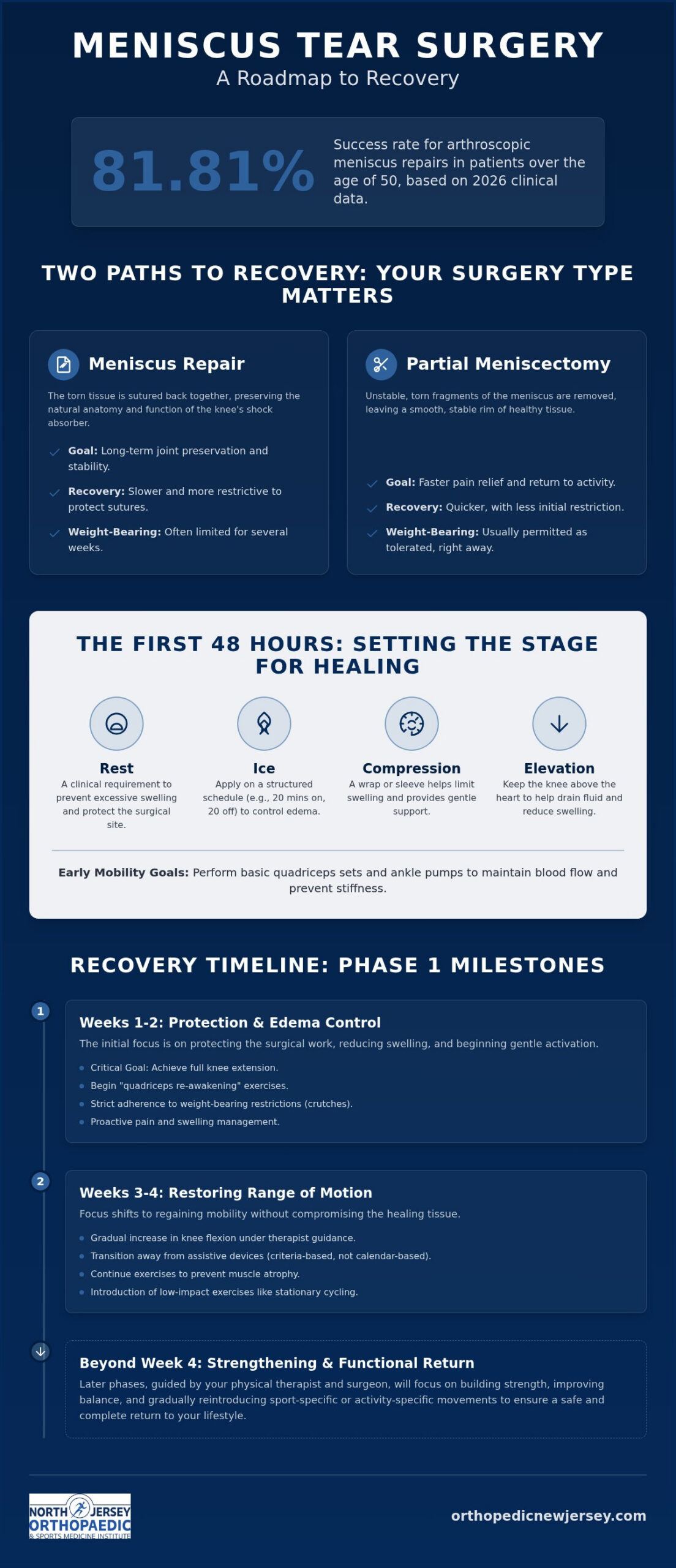
The first two days post-operation are critical for long-term success. Once the surgical anesthesia dissipates, the body initiates a natural inflammatory response. Managing this through the RICE protocol is your primary responsibility. Rest and elevation aren’t merely suggestions; they’re clinical requirements to prevent excessive swelling that can stiffen the joint. We often recommend a structured icing schedule, typically 20 minutes on and 20 minutes off, to keep edema under control.
Weight-bearing restrictions during this time vary significantly based on the surgical findings. If the surgeon performed a partial meniscectomy, you might be encouraged to walk with weight-bearing as tolerated. Conversely, if a complex repair was required, you’ll likely use crutches to protect the new sutures. Understanding your meniscus tear surgery recovery time involves recognizing that every patient’s biological response is unique. These early restrictions are designed to prevent the repair from failing before the tissue has a chance to knit together. Your early mobility goals include basic quadriceps sets and ankle pumps to maintain blood flow. This methodical approach ensures you’re ready for the more intensive physical therapy that follows in the coming weeks.
Proactive pain management is also essential during this window. We provide specific guidance on using prescribed medications or over-the-counter anti-inflammatories to stay ahead of the discomfort. By keeping pain levels manageable, you can better participate in the gentle range-of-motion exercises required to prevent joint adhesions.
The Meniscus Surgery Recovery Timeline: Week-by-Week Milestones
Recovery is a biological process that follows a specific physiological sequence. While every patient heals at a different rate, the meniscus surgery recovery times generally follow a structured progression from protection to high-level function. Adhering to these milestones ensures that the healing fibrocartilage isn’t compromised by premature loading. Your meniscus tear surgery recovery time will depend heavily on whether the tissue was repaired with sutures or simply trimmed to remove unstable fragments.
Phase 1: Protection and Range of Motion (Weeks 1-4)
The first month focuses on joint preservation and the reduction of post-operative edema. Achieving full knee extension is your most critical goal during this window. If the knee remains slightly bent during the initial healing phase, it can lead to permanent gait issues and persistent discomfort. We utilize “quadriceps re-awakening” exercises, such as isometric quad sets, to prevent muscle atrophy. These movements help the brain maintain its neural connection to the leg muscles without placing undue stress on the surgical site.
Transitioning away from assistive devices is a criteria-based decision, not a calendar-based one. You’ll typically move from two crutches to one, and then to independent walking, only when you can bear weight without a limp. Maintaining a normal walking pattern is essential for long-term joint health. If you find yourself struggling with these early milestones, consulting a board-certified orthopedic specialist in Nutley can provide the personalized adjustments needed for your specific case.
Phase 2: Strengthening and Functional Mobility (Weeks 4-12)
Once the initial inflammation subsides, the focus shifts to controlled loading through closed-chain exercises. These are movements where the foot remains in contact with a stable surface, such as mini-squats or leg presses. These exercises are safer for the healing meniscus than open-chain movements because they distribute weight more evenly across the joint surface. We also introduce low-impact cardiovascular work, such as stationary cycling with low resistance or swimming, to improve local circulation and stamina.
Proprioception and balance training are also vital during this stage. These exercises retrain the knee’s position-sensing receptors, which are often disrupted after surgery. By challenging your balance on uneven surfaces, you build the reflexive stability required for daily activities. Between months four and six, most patients begin the transition to high-impact sports and pivoting movements. This final phase of the meniscus tear surgery recovery time requires passing functional strength tests to ensure the knee can handle the rotational forces of athletic competition.
Meniscus Repair vs. Meniscectomy: Why Surgery Type Dictates Your Recovery Speed
The decision between a meniscectomy and a meniscus repair isn’t just about surgical technique. It’s a choice between immediate convenience and long-term joint preservation. Your specific meniscus tear surgery recovery time is dictated by which path your surgeon takes. While a meniscectomy involves trimming away the damaged piece of the meniscus, a repair uses sutures to stitch the tissue back together. These two approaches represent fundamentally different biological challenges for your knee.
The ‘Red Zone’ vs. ‘White Zone’ Explained
Surgeons evaluate the location of the tear to determine if a repair is even possible. This decision rests almost entirely on blood supply. The Red Zone is the vascularized outer edge of the meniscus. Because this area receives a steady flow of nutrients, it has the biological potential to heal after being stitched. In contrast, the White Zone is the inner two-thirds of the meniscus which lacks a direct blood supply. Tears here rarely heal on their own, often necessitating a meniscectomy to prevent the loose flap from catching in the joint.
For younger patients and active athletes in Bloomfield and Clifton, we prioritize repair whenever feasible. Preserving the natural cushion of the knee is essential for preventing early-onset osteoarthritis. While removing the damaged tissue provides quick relief, it also increases the stress on the underlying bone. Our board-certified specialists in Nutley use advanced imaging to identify these zones before the first incision is made.
The Recovery Gap: 4 Weeks vs. 6 Months
The difference in rehabilitation timelines is stark. A partial meniscectomy allows for a rapid return to activity, with many patients walking comfortably within days and returning to full function in about four weeks. However, Minimally Invasive Orthopedic Surgery in NJ focuses on the long-term health of the joint, which often means choosing the slower path of repair.
A repaired meniscus requires a minimum of six weeks of protection. During this time, the sutures are the only thing holding the tissue together while new biological bonds form. Premature weight-bearing or deep squatting can easily tear the repair, leading to surgical failure. Because of these constraints, the total meniscus tear surgery recovery time for a repair can extend to six months or more. Following evidence-based meniscus surgery rehabilitation protocols is the only way to ensure the repair matures correctly.
There’s a common misconception that a faster recovery is always better. In reality, rushing back to impact sports after a meniscectomy might feel like a win today, but it can lead to chronic instability later. A successful repair is an investment in your knee’s future, even if it requires more patience during the initial months. We guide our patients through this decision by weighing their current lifestyle demands against their long-term orthopedic goals.
Maximizing Your Recovery: Physical Therapy and Post-Operative Care
Surgery is a catalyst for healing, but the actual restoration of function happens during the rehabilitation phase. A structured physical therapy program is the single most important factor in preventing re-injury and ensuring long-term joint health. Without guided movement, the joint can become stiff or unstable, which unnecessarily extends your meniscus tear surgery recovery time. The goal of rehabilitation is to restore the knee’s mechanical integrity while respecting the biological limits of the healing tissue.
The Importance of Physical Therapy in North Jersey
We collaborate closely with specialized physical therapy clinics in Nutley and Bloomfield to provide a seamless transition from the operating room to active rehab. For patients seeking similar high-quality care in other regions, you may visit Heartland Physiotherapy to learn more about their multidisciplinary approach to post-surgical wellness. These individualized protocols are essential for preventing arthrofibrosis, a condition where excessive scar tissue buildup restricts the knee’s range of motion. By monitoring your progress through objective functional testing, your therapist can safely advance your load-bearing activities. This data-driven approach ensures that your return to activity is based on strength and stability rather than a generic calendar date.
Distinguishing between “good” pain and “bad” pain is a vital skill for any patient in rehab. Muscle soreness and a dull ache after exercises are typical responses to strengthening. However, sharp, stabbing sensations or a sudden increase in joint swelling are warning signs that you may be progressing too quickly. A common pitfall for athletes is skipping foundational mobility work to attempt heavy lifting or running prematurely. This shortcut often results in inflammatory setbacks that can add weeks to your total meniscus tear surgery recovery time.
Supporting the biological healing of fibrocartilage also requires attention to nutrition and lifestyle. High-quality protein intake provides the necessary amino acids for tissue repair, while staying hydrated maintains the health of the remaining meniscal cartilage. Sleep is equally critical; it’s the primary window for cellular regeneration and hormone regulation. You must also remain vigilant for clinical red flags. Contact your surgeon immediately if you experience a persistent fever, calf pain, or redness around the incision sites, as these may indicate post-operative complications.
Success in recovery requires a partnership between the patient, the surgeon, and the physical therapist. If you are seeking a personalized approach to knee health, schedule a consultation with our board-certified specialists in Nutley to develop a comprehensive recovery plan.
Specialized Meniscus Care in North Jersey: The Orthopaedic & Sports Medicine Institute Advantage
The Orthopaedic & Sports Medicine Institute serves as a dedicated community resource for patients in Nutley and surrounding areas. Our clinical philosophy prioritizes tissue preservation through minimally invasive techniques, ensuring that your meniscus tear surgery recovery time is as efficient as possible. We understand that residents in Clifton, Belleville, and Lyndhurst require specialized care that balances high-level surgical expertise with a compassionate, patient-centered approach. By focusing on modern interventions, we aim to restore your mobility while minimizing the disruption to your daily life. Our practice isn’t just a clinic; it’s a hub for advanced orthopedic solutions tailored to the North Jersey lifestyle.
Why Choose a Board-Certified Surgeon in Nutley?
Board certification isn’t just a credential; it’s a constant anchor for our authority and a commitment to the highest standards of orthopedic care. A specialist with specific training in sports medicine understands the unique biomechanical demands of athletes and active professionals. We utilize the latest surgical technology to prioritize the repair of native tissue rather than simply removing it. This approach is vital for maintaining the knee’s long-term health and preventing the degenerative changes often associated with more invasive procedures. If you’re looking for a Knee Injury Specialist in Nutley, our team provides the sophisticated diagnostic and procedural skills necessary for complex meniscal pathology.
Booking Your Meniscus Evaluation
Your journey begins with a comprehensive diagnostic evaluation designed to provide absolute clarity. During your initial consultation, we perform a detailed physical examination and a meticulous review of your MRI imaging. This allows us to categorize the tear by its location and biological healing potential, as discussed in our analysis of the red and white zones. We encourage you to bring any previous imaging reports and a list of specific questions regarding your functional goals. Whether you’re aiming to return to competitive sports or simply want to walk without pain, we develop a customized roadmap tailored to your needs.
Understanding your meniscus tear surgery recovery time is easier when you have a clear, structured plan from a trusted expert. We provide transparent guidance on what to expect during every phase of the healing process, from the first 48 hours to the final return-to-play testing. Our goal is to empower you with the knowledge required to navigate your rehabilitation with confidence. Don’t let knee pain dictate your quality of life. Schedule your consultation at our Nutley office today to take the first step toward a successful recovery.
Restoring Your Mobility Through Specialized Orthopedic Care
Navigating the path back to physical activity requires a calculated balance of biological patience and clinical precision. Your specific meniscus tear surgery recovery time is fundamentally linked to the surgical approach; whether you’re protecting a meticulous repair in the red zone or rehabilitating a partial meniscectomy. Long-term success is not only defined by the surgical outcome but also by your dedication to a structured physical therapy regimen. This protocol ensures the knee regains its mechanical stability while minimizing the risk of post-operative stiffness or scar tissue buildup.
Our Nutley practice leverages the specialized expertise of a board-certified orthopedic surgeon to deliver minimally invasive solutions focused on tissue preservation. We’ve proudly served the North Jersey community since our founding, providing athletes and professionals with the diagnostic clarity they need to move forward. You don’t have to navigate the uncertainties of knee pain alone. Request an Appointment with our Nutley Meniscus Specialist to receive a personalized recovery roadmap tailored to your specific lifestyle goals. We’re committed to guiding you through every milestone as you return to the activities you love.
Frequently Asked Questions
How long after meniscus surgery can I drive?
You can typically return to driving within one to two weeks if you’ve had a partial meniscectomy and no longer require narcotic pain medication. If the surgery involved your right leg or a complex repair, this timeline often extends to six weeks. You must demonstrate sufficient braking force and reaction time before getting behind the wheel. We advise checking with your insurance provider and performing a test in a controlled environment first.
When can I return to work after a meniscus procedure?
Most patients with sedentary desk jobs return to work within one week of their procedure. If your profession requires standing, walking, or heavy lifting in North Jersey, you may need four to eight weeks of recovery. Your specific meniscus tear surgery recovery time depends on the physical demands of your role. We provide customized return-to-work clearances that prioritize your joint safety while minimizing professional disruption.
Is physical therapy mandatory after meniscus surgery?
Physical therapy is essential for achieving an optimal functional outcome and preventing joint stiffness. While you’ll perform basic home exercises, clinical supervision ensures you’re progressing safely without overloading the healing tissue. A therapist monitors your gait and muscle activation to prevent compensatory patterns. This structured approach is critical for restoring the stability needed for daily activities in communities like Clifton and Belleville.
What happens if I don’t follow the weight-bearing restrictions?
Ignoring weight-bearing restrictions can cause the surgical repair to fail or lead to chronic inflammatory issues. For a meniscus repair, premature loading often tears the sutures before the biological tissue has bonded. This setback can necessitate a second surgery and significantly extend your overall meniscus tear surgery recovery time. Following these restrictions protects the integrity of the joint while the fibrocartilage matures during the initial healing phases.
Can a meniscus tear heal without surgery?
Some tears located in the vascularized “red zone” have the potential to heal through conservative management like physical therapy and activity modification. However, tears in the “white zone” lack the blood supply necessary for natural regeneration. These injuries often require minimally invasive intervention to prevent mechanical catching or further joint damage. A board-certified surgeon in Nutley can determine your tear’s healing potential through a clinical evaluation and MRI review.
How long does the swelling last after knee arthroscopy?
Acute swelling typically subsides within the first two to four weeks following knee arthroscopy. You may notice residual edema for three to six months after more strenuous activities or long periods of standing. Consistent use of the RICE protocol and adherence to your physical therapy schedule help manage this fluid buildup. If you experience a sudden increase in swelling accompanied by sharp pain, contact our Nutley office immediately.
When can I start running again after meniscus repair?
If you underwent a partial meniscectomy, you might begin a gradual return-to-run program around week six. For a meniscus repair, the timeline is much longer, often requiring four to six months of healing before the tissue can handle impact forces. Running too early can compromise the repair and lead to long-term joint instability. We use functional strength testing to ensure your knee is ready for the repetitive stress of running.
Are there long-term risks to having my meniscus trimmed instead of repaired?
Removing a portion of the meniscus reduces the knee’s natural shock-absorbing capacity. Over time, this increased pressure on the articular cartilage can accelerate the development of osteoarthritis. This is why our Nutley specialists prioritize meniscus repair and tissue preservation whenever biologically possible. While trimming offers a faster initial recovery, preserving the meniscus is generally the superior choice for long-term joint health and athletic longevity.