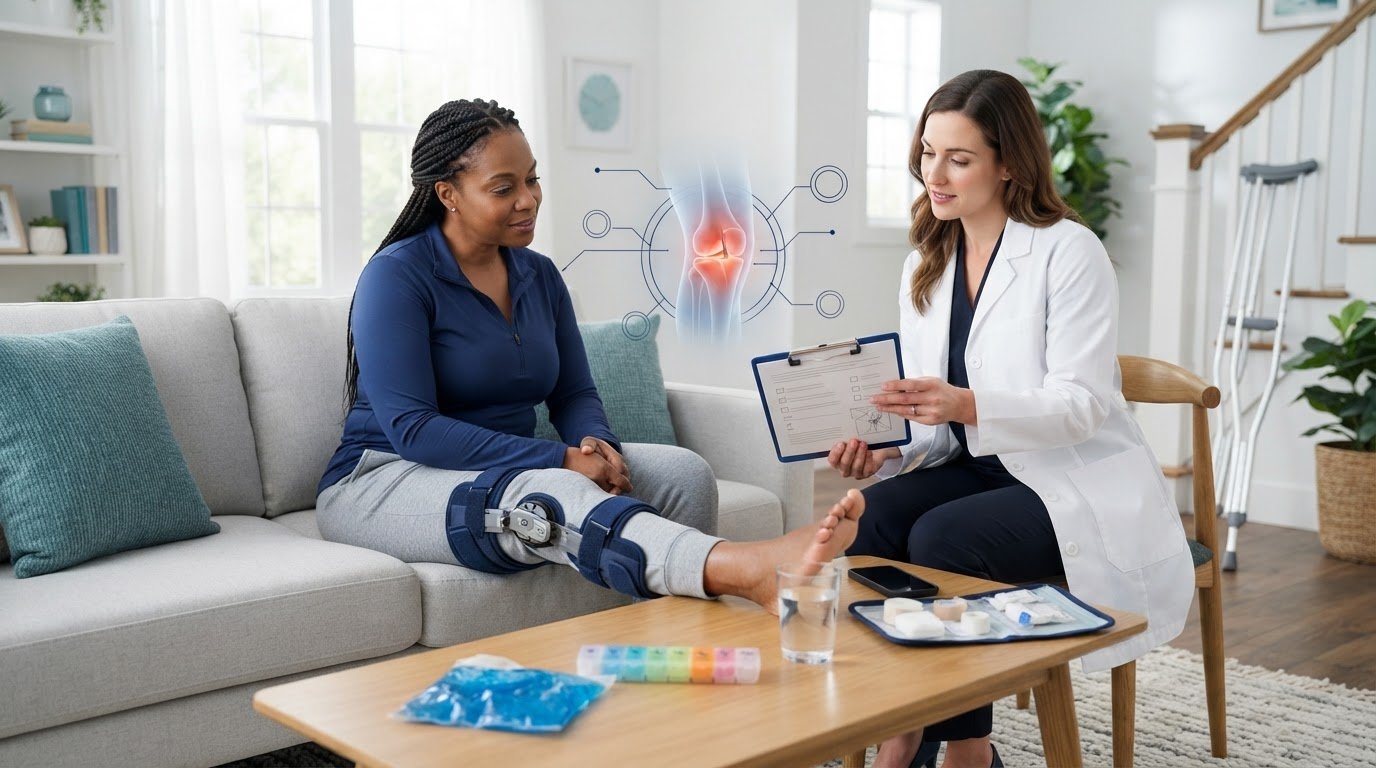
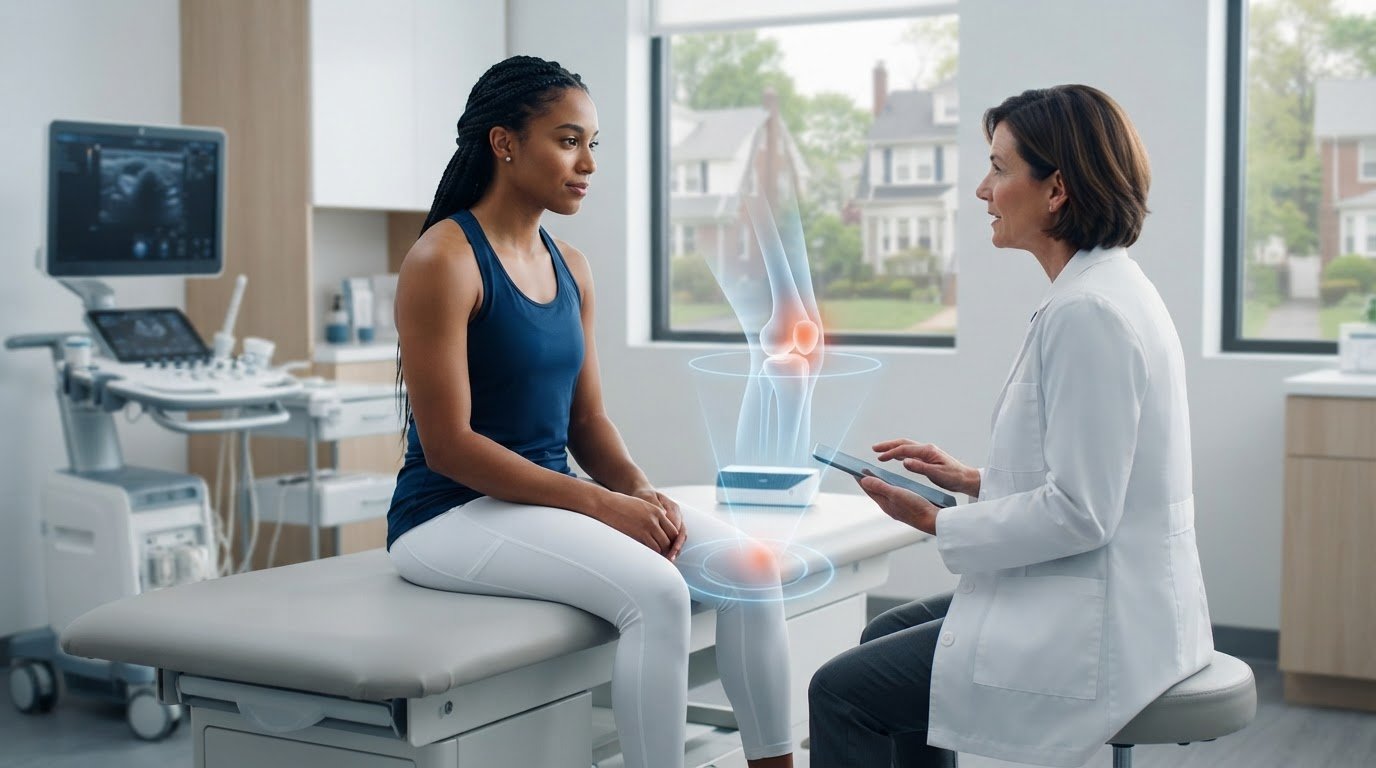
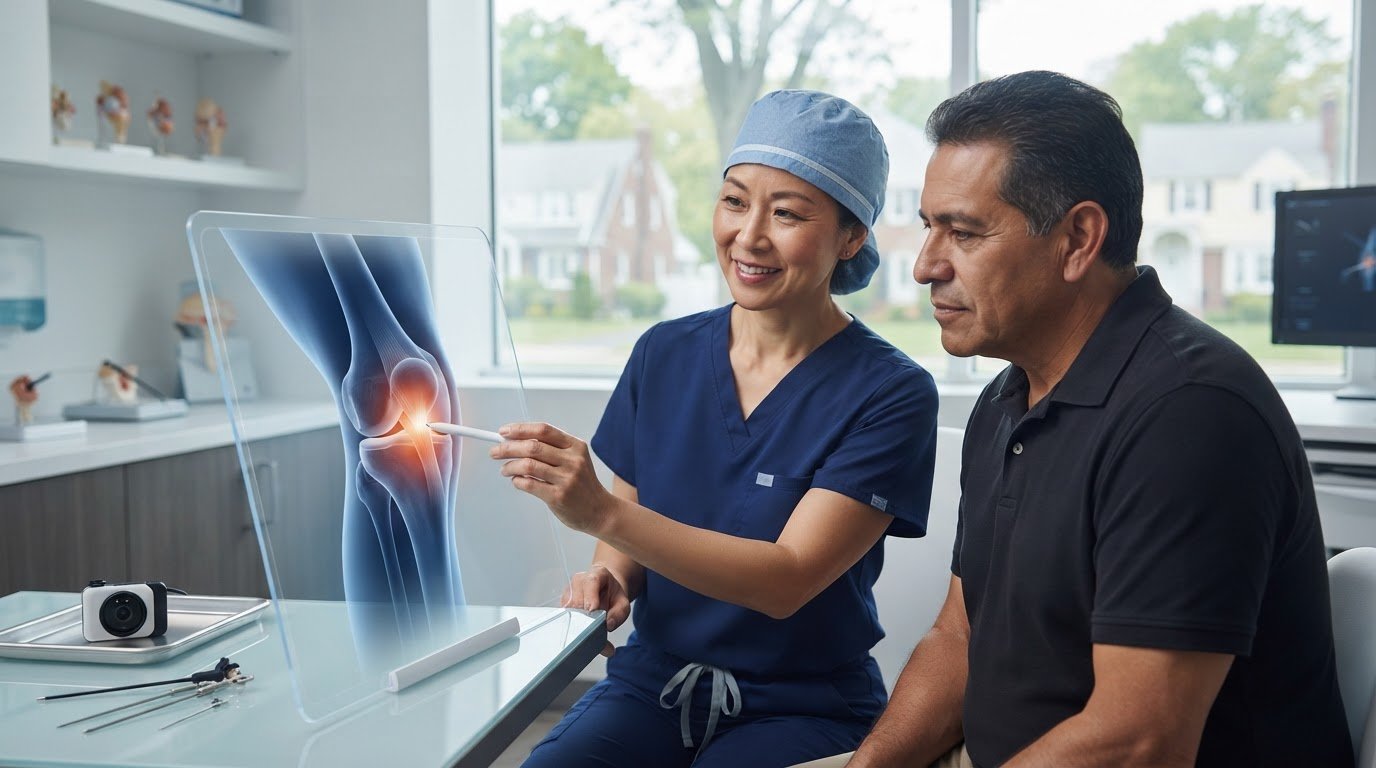
What if the most effective way to treat a torn ligament isn’t to replace it with a graft, but to facilitate the body’s own biological healing process? For many athletes and active residents, the prospect of traditional surgery brings a valid fear of extensive downtime and permanent changes to joint mechanics. If you’re searching for a knee injury specialist Belleville NJ residents rely on for precision care, you’ve likely reached a point where chronic instability or pain is no longer manageable. It’s common to feel overwhelmed by the choice between traditional reconstruction and modern repair techniques.
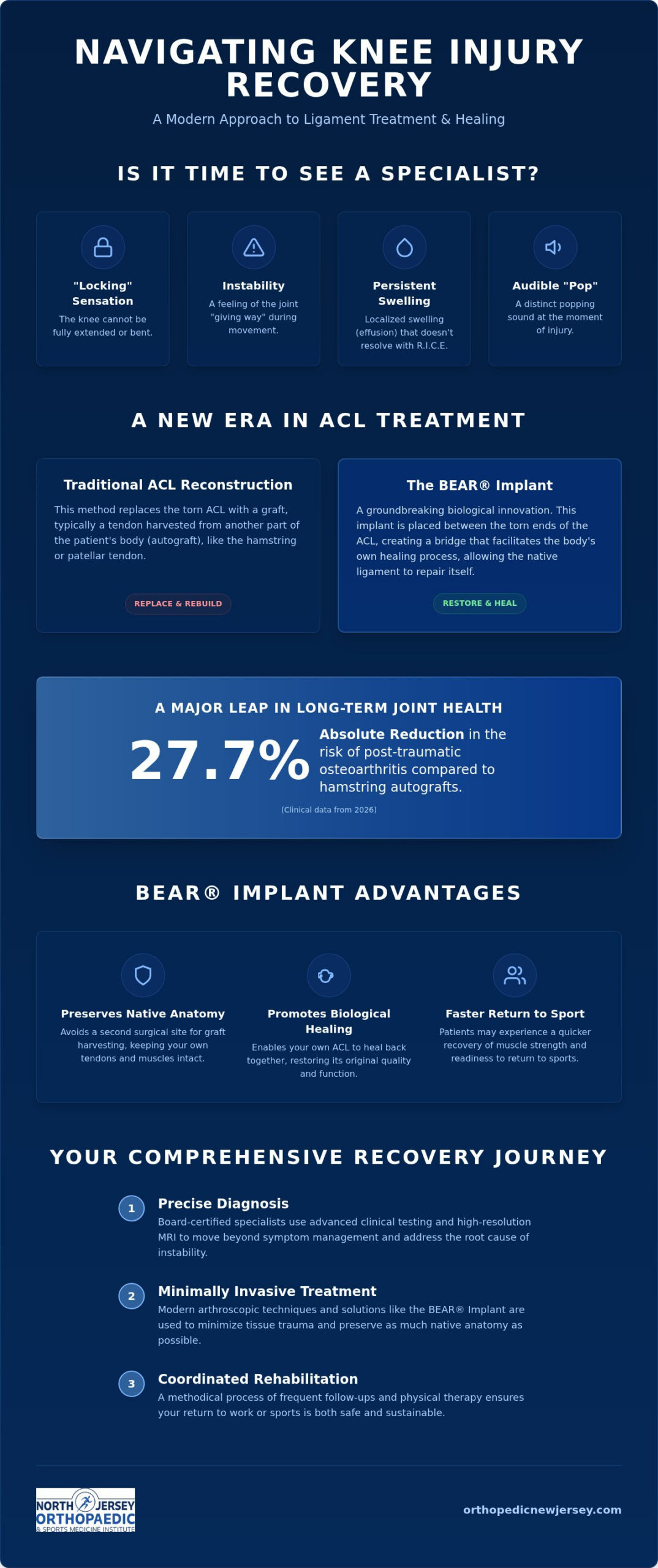
We understand that you want more than just a temporary fix; you want to return to your sport or daily routine with full confidence in your physical foundation. Recent clinical data from 2026 indicates that innovations like the BEAR® Implant result in a 27.7% absolute reduction in the risk of post-traumatic osteoarthritis compared to traditional hamstring autografts. This article examines how specialized, minimally invasive techniques preserve your native anatomy and provide board-certified guidance to accelerate your recovery. You’ll discover how modern orthopedic interventions bridge the gap between established surgical wisdom and the future of restorative medicine close to home.
Key Takeaways
- Identify the clinical indicators that signal it is time to transition from conservative home care to a board-certified specialist.
- Explore the advantages of the BEAR® Implant, a biological innovation that facilitates the healing of your native ACL without traditional grafts.
- Learn how minimally invasive arthroscopic techniques minimize tissue trauma to facilitate a faster return to sports and professional responsibilities.
- Understand the comprehensive diagnostic process used by a knee injury specialist Belleville NJ residents trust to accurately assess ligamentous and meniscal damage.
- Discover the benefits of receiving advanced, specialized orthopedic care close to home for a more efficient and personalized recovery journey.
Finding a Knee Injury Specialist in Belleville, NJ: When to Seek Expert Care
Distinguishing between a minor soft-tissue strain and a significant structural injury is the first step toward a successful recovery. While minor discomfort often resolves with rest, an underlying injury to the ligaments or meniscus requires a precise diagnostic approach. Seeking a knee injury specialist Belleville NJ residents can access quickly ensures that mechanical issues are identified before they lead to secondary joint degeneration. A general practitioner may provide initial pain management, but a board-certified orthopedic surgeon offers the specialized training necessary to interpret complex imaging and clinical instability.
Warning Signs That Require an Orthopedic Consultation
Certain symptoms act as definitive markers for structural damage within the joint. If you experience “locking” where the knee cannot fully extend, or a sensation of the joint “giving way” during lateral movement, these are mechanical failures that rest alone cannot fix. Persistent effusion, or swelling that remains localized within the joint capsule after several days of R.I.C.E. (Rest, Ice, Compression, Elevation), often indicates an internal derangement. Understanding Common Knee Injuries is vital for recognizing when a “pop” heard during activity might signal a complete ligament tear. Inability to bear weight immediately following an impact is a clinical red flag that warrants an urgent orthopedic evaluation to rule out fractures or high-grade ruptures.
The Local Advantage: Specialized Care Near Belleville
Selecting a specialist located in Nutley, just minutes from Belleville, provides a logistical advantage that directly impacts clinical outcomes. Orthopedic recovery isn’t a single event; it’s a methodical process involving frequent follow-up appointments and coordinated physical therapy. Having your surgeon close to home simplifies this journey, making it easier to maintain a consistent rehabilitation schedule. Our practice focuses on minimally invasive arthroscopic techniques and modern solutions like the BEAR® Implant, which are often not the primary focus of generalist clinics.
A board-certified surgeon provides a level of diagnostic certainty that’s essential for active individuals. By utilizing advanced clinical testing and high-resolution MRI, we move beyond symptom management to address the root cause of instability. This expertise allows us to preserve as much of your native anatomy as possible, ensuring that your return to work or sports is both safe and sustainable. Whether you’re dealing with a sudden athletic injury or chronic instability, professional intervention is the bridge between temporary relief and long-term joint health.
Understanding Common Knee Injuries: From ACL Tears to Meniscal Damage
The knee is a complex hinge joint that bears significant loads, making it highly susceptible to structural damage. While sports-related injuries often involve high-velocity trauma, degenerative conditions develop through repetitive stress and biological wear. Consulting a knee injury specialist Belleville NJ patients recommend allows for a definitive distinction between these two pathologies. A precise diagnosis is the foundation of any successful treatment plan, ensuring that the intervention matches the specific anatomical failure.
ACL and Ligamentous Injuries
The Anterior Cruciate Ligament (ACL) is the primary stabilizer against anterior translation and rotational forces. Most ACL tears occur through non-contact mechanisms, such as sudden deceleration or a plant-and-pivot maneuver. Patients frequently report an audible “pop” followed by immediate effusion and a sense that the joint is loose. While the ACL is the most commonly injured ligament, a knee injury specialist Belleville NJ must also evaluate the Medial Collateral Ligament (MCL) and Posterior Cruciate Ligament (PCL). Multi-ligament injuries are complex and require a tiered surgical strategy to restore global joint stability and prevent future instability.
Meniscal Tears and Cartilage Damage
The meniscus acts as a fibrocartilaginous shock absorber between the femur and tibia. Acute traumatic tears often happen alongside ligamentous injuries, whereas degenerative fraying is more common in older adults. Preserving this tissue is essential; once the meniscus is lost, the articular cartilage bears increased pressure, which accelerates the onset of osteoarthritis. For those seeking expert care for knee injuries, understanding the specific morphology of a tear is critical. Whether you’re dealing with a complex bucket-handle tear or a ruptured meniscus of the knee, the clinical goal is always tissue preservation over removal.
The diagnostic journey begins with a thorough clinical evaluation. We perform specialized maneuvers like the Lachman test or McMurray test to assess structural integrity in real-time. These physical findings are then correlated with high-resolution MRI to visualize the extent of soft tissue damage. If you’ve experienced a sudden change in joint function, obtaining a professional orthopedic evaluation is the most effective way to protect your long-term mobility and joint health.
Modern Treatment Options: Minimally Invasive Surgery and Ligament Preservation
Orthopedic surgery’s evolution has moved away from disruptive, open procedures toward techniques that prioritize biological preservation. As a knee injury specialist Belleville NJ patients rely on, we emphasize procedures that minimize tissue trauma while maximizing functional outcomes. Modern interventions now allow us to leverage the body’s natural healing capacity rather than simply replacing damaged structures with synthetic or donor materials. This shift is particularly evident in how we approach ligamentous and meniscal repairs today.
The BEAR® Implant: A New Standard in ACL Repair
Traditional ACL reconstruction often requires the complete removal of the torn ligament, which is then replaced with a graft from your own hamstring or a donor. While this has been the clinical standard for decades, it doesn’t preserve the patient’s native tissue or the complex nerve endings that provide joint position sense. The BEAR® Implant represents a paradigm shift in sports medicine. This protein-based scaffold acts as a bridge between the two ends of a torn ACL, facilitating a biological environment where the body heals its own ligament.
Clinical data supports this approach as a viable alternative for patients who meet specific timing and injury criteria. By using the patient’s own blood to prime the implant, we create a restorative “bridge” that encourages native tissue growth. This is the new standard for BEAR implant ACL repair New Jersey residents seek when they want to avoid the morbidity associated with graft harvesting. Preserving the native ligament helps maintain the natural mechanics of the knee, which is a critical factor in preventing long-term joint wear.
Minimally Invasive Arthroscopic Techniques
Most modern knee procedures are now performed through arthroscopy, a technique that utilizes high-definition cameras and specialized instruments inserted through tiny incisions, or “portals.” This approach provides a level of visual precision that traditional open surgery cannot match. For a knee injury specialist Belleville NJ athletes trust, the benefits of arthroscopy are clear: reduced postoperative pain, minimal scarring, and a significantly faster return to daily activities.
High-resolution imaging allows the surgeon to identify and treat pathology that might otherwise be overlooked, such as subtle cartilage fraying or complex meniscal patterns. This level of detail is why minimally invasive orthopedic surgery NJ is the preferred choice for modern athletes who cannot afford long recovery windows. By disturbing less of the surrounding healthy tissue, we facilitate a rehabilitation process that’s more about building strength and less about healing from the surgical trauma itself.
Your Specialized Diagnostic Journey: What to Expect at Your Consultation
Your first visit to a knee injury specialist Belleville NJ residents trust is a methodical exploration of your joint’s current functional status. We don’t just look at an image; we evaluate the person behind the injury. This process begins with a comprehensive review of your medical history and the specific mechanics of how your injury occurred. Understanding whether your pain stems from a sudden athletic pivot or a gradual onset of instability helps us narrow the diagnostic focus before the physical examination even begins.
The Clinical Examination Process
The physical assessment is a hands-on process where we test the structural integrity of your ligaments and tendons. We utilize specific orthopedic maneuvers, such as the Lachman test and the Pivot Shift test, to assess the stability of the Anterior Cruciate Ligament. These tests allow us to feel for “laxity” or an abnormal endpoint in the joint’s movement. We also evaluate your range of motion, muscle strength, and the health of secondary stabilizers to see how your body is compensating for the primary injury.
While the clinical exam provides immediate insights, we often use advanced imaging to confirm our findings. High-resolution MRI allows us to visualize soft tissue damage, such as meniscal tears or ligamentous ruptures, with extreme clarity. X-rays are typically utilized to rule out fractures or assess the degree of joint space narrowing. This combination of physical testing and diagnostic technology ensures that we’re treating the exact cause of your discomfort, not just the symptoms.
Customized Recovery Planning
Once we have a definitive diagnosis, we develop a treatment plan tailored to your specific activity goals. For some, a non-surgical pathway involving targeted physical therapy is the most appropriate recommendation. For others, particularly those with high-grade tears or mechanical locking, we may discuss surgical interventions like the BEAR® Implant or minimally invasive arthroscopy. We integrate postoperative rehabilitation into the plan from day one, ensuring you have a clear roadmap for your return to work or sports.
Belleville residents visiting our Nutley office, located just minutes away, should arrive prepared to facilitate a thorough evaluation. We recommend bringing any previous imaging discs, a list of current medications, and a summary of past treatments. Wearing comfortable clothing that allows easy access to the knee joint is also helpful. If you’re ready to move beyond temporary relief and secure a definitive diagnosis, schedule your specialized knee consultation today to begin your recovery journey.
Advanced Knee Care at The Orthopaedic & Sports Medicine Institute
The Orthopaedic & Sports Medicine Institute serves as a dedicated clinical resource for the residents of Essex County. When you seek a knee injury specialist Belleville NJ residents can access within minutes, you’re choosing a practice that prioritizes local community health and personalized attention. Our Nutley facility is specifically designed to provide high-level surgical expertise in a setting that remains approachable and accessible. Being treated by a board-certified orthopedic surgeon ensures that your care meets the highest national standards for safety, precision, and clinical excellence.
Our focus on minimally invasive techniques distinguishes our practice within the North Jersey orthopedic landscape. We don’t view surgery as a one-size-fits-all solution; instead, we utilize advanced arthroscopic technology to reduce the biological “cost” of every procedure. By disturbing less of the surrounding healthy tissue, we help patients maintain their natural joint mechanics. This commitment to modern methodology ensures that Belleville residents have access to the same level of innovation found at major university hospitals, right in their own neighborhood.
A Patient-Centered Approach to Orthopedics
We believe in treating the individual, not just the findings on a diagnostic image. Our clinical philosophy prioritizes empathetic communication, ensuring you understand the “why” behind every recommendation. We act as a bridge between complex medical data and your personal recovery goals, whether that involves returning to competitive athletics or simply walking without pain. As a premier sports medicine clinic Montclair NJ area residents trust, we provide the structured guidance necessary to navigate the complexities of musculoskeletal health.
Next Steps: Securing Your Recovery
If you’ve been told you need traditional surgery but want to explore ligament preservation or minimally invasive alternatives, we encourage you to seek a second opinion. A knee injury specialist Belleville NJ can provide a fresh perspective on your case, often identifying restorative pathways that prioritize your native anatomy. Navigating insurance and scheduling shouldn’t be a barrier to quality care; our administrative team is experienced in coordinating with major New Jersey providers to streamline your path to treatment.
Prioritizing your long-term joint health today is the most effective way to prevent the progression of degenerative changes in the future. We’re here to provide the board-certified expertise you need to make informed decisions about your body. Taking the first step toward a more active, pain-free life is as simple as requesting an initial consultation to review your diagnostic history and establish a definitive recovery plan.
Securing Your Future Mobility and Joint Health
Recovering from a significant knee injury requires a clinical strategy that balances immediate stability with long-term joint preservation. We’ve explored how identifying mechanical warning signs early can prevent the progression of osteoarthritis; and how innovations like the BEAR® Implant facilitate the healing of your own native ligament. By choosing a knee injury specialist Belleville NJ residents can access within minutes, you ensure that your rehabilitation is guided by specialized, board-certified expertise focused on minimally invasive solutions.
As a leader in North Jersey for advanced arthroscopic techniques and native ligament repair, our practice is dedicated to helping you return to the activities you love with confidence. Whether you’re seeking a definitive diagnosis or a second opinion on a proposed surgical plan, we provide the clear, professional guidance necessary to navigate your recovery journey. Don’t let chronic instability or pain define your physical potential. Schedule Your Knee Consultation Near Belleville Today to take the first step toward a faster, more biological recovery. Your path back to an active life starts with a commitment to specialized, patient-centered care.
Frequently Asked Questions
What are the first signs of a serious knee injury?
Immediate swelling, an audible “pop,” and an inability to bear weight are the most common signs of a serious structural injury. Mechanical symptoms like locking, catching, or a sensation that the joint is “giving way” often indicate a ligament rupture or meniscal tear. Persistent effusion that doesn’t resolve with standard rest and icing is a major red flag. If your joint feels unstable during normal daily movements, you should consult a specialist immediately.
Does every ACL tear require surgery?
Not every ACL tear requires surgical intervention. The decision depends on your age, activity level, and the degree of functional instability you experience. Low-demand patients might manage their symptoms with physical therapy and specific bracing. However, athletes or those with physically demanding jobs often require repair to prevent further joint damage. A board-certified surgeon can determine if you’re a candidate for bridge-enhanced repair or if conservative management is a safer path.
How do I choose between a general orthopedist and a knee specialist?
A knee injury specialist Belleville NJ residents trust offers focused expertise in advanced preservation techniques like the BEAR® Implant. While generalists treat various bone issues, a specialist concentrates on the complex biomechanics of the knee joint. This focus allows for more precise diagnostic testing and access to the latest minimally invasive surgical options. Choosing a specialist ensures your treatment plan reflects current advancements in sports medicine and prioritizes the preservation of your native anatomy.
What is the recovery time for minimally invasive knee surgery?
Patients often begin light weight-bearing activities within days of an arthroscopic procedure. Most individuals return to office-based work in one to two weeks, while a full return to high-impact sports typically takes several months. Your specific timeline depends on the complexity of the repair and your commitment to a structured rehabilitation program. Minimally invasive techniques reduce tissue trauma, which generally facilitates a faster initial recovery than traditional, open surgical methods.
Is the BEAR implant available for patients in Belleville, NJ?
Yes, the BEAR® Implant is available to Belleville residents through our nearby Nutley office. This innovative technology allows for the biological healing of your native ACL without the need for a donor graft. We are a key provider of this bridge-enhanced repair system in the Essex County area. Candidates must typically undergo the procedure within 50 days of their injury to ensure optimal healing conditions for the native ligament tissue.
Can physical therapy alone fix a torn meniscus?
Physical therapy can effectively manage symptoms for small or degenerative tears by strengthening the surrounding musculature. However, it cannot physically reattach a torn piece of cartilage that is causing mechanical locking or catching. If the tear is in a “red zone” with good blood supply, surgical repair might be necessary to preserve the meniscus and prevent arthritis. A specialist evaluation is required to determine if the tear is stable enough for non-surgical care.
What should I bring to my first orthopedic consultation?
You should bring any recent imaging on a CD, including X-rays or MRIs, along with the corresponding radiologist reports. It’s also helpful to have a list of current medications and a detailed history of your injury mechanics. Wear loose-fitting clothing that allows the surgeon to easily examine the knee joint. Providing these materials during your initial visit helps a knee injury specialist Belleville NJ residents rely on to establish an accurate diagnosis quickly.
How long after a knee injury should I wait to see a specialist?
You should seek a professional evaluation within 48 to 72 hours if you experience significant swelling or joint instability. Delaying a consultation can lead to secondary injuries, such as cartilage damage or compensatory muscle strain. For advanced treatments like the BEAR® Implant, timing is critical, as the procedure must be performed while the native ligament is still viable. Early intervention is the most effective way to ensure a full, functional recovery and long-term joint health.