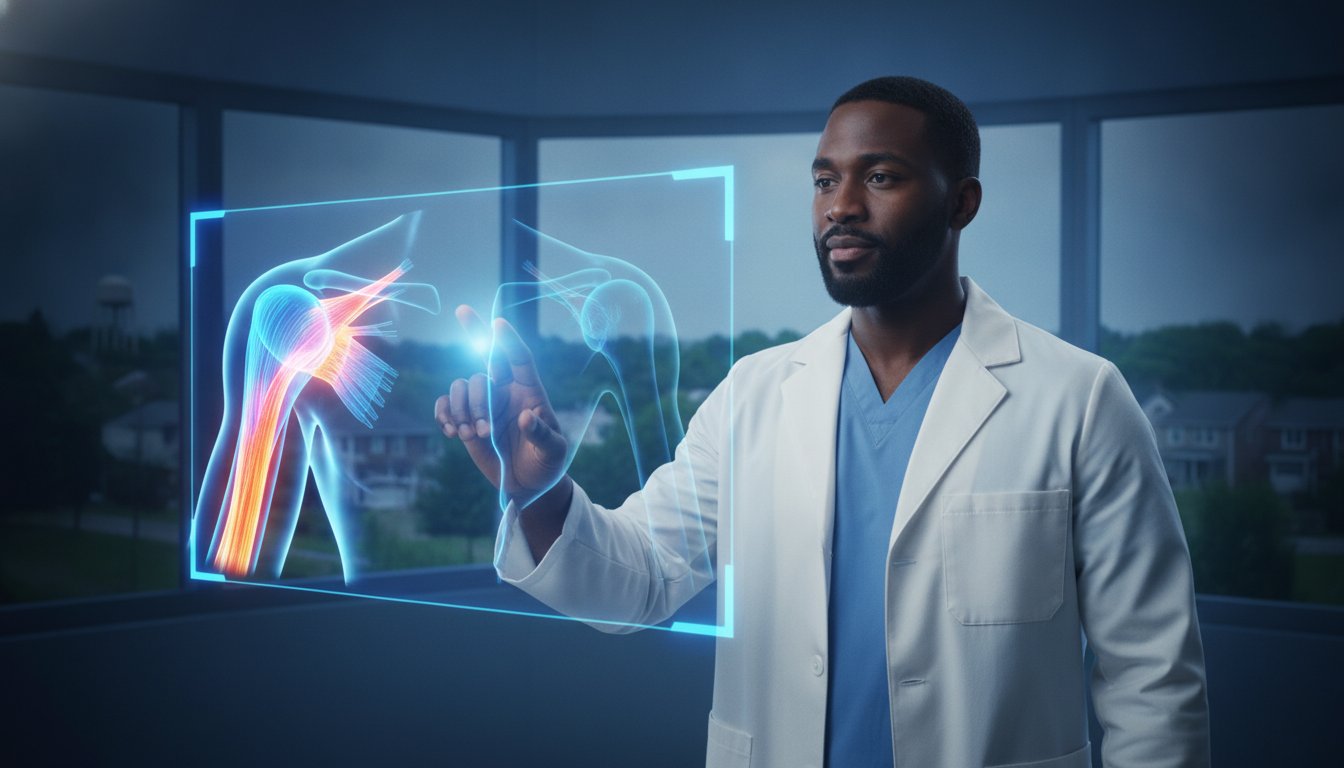
What if the shoulder surgery you’ve been delaying is actually the most efficient path back to your active lifestyle? For many people struggling with a persistent tear, the fear of a long, painful recovery often outweighs the desire for relief. If you are researching options for rotator cuff repair Clifton NJ, you likely feel that sharp catch in your shoulder every time you reach for a seatbelt or try to find a comfortable sleeping position. It’s a common frustration to feel sidelined by an injury that seems impossible to fix without significant disruption to your life.
The reality of modern orthopedic medicine is far more optimistic than traditional methods suggest. Specialized shoulder care now utilizes advanced arthroscopic techniques that prioritize joint preservation and rapid healing. This article explains how these minimally invasive procedures differ from traditional open surgery; we’ll also detail the clinical benefits of seeking expert care close to home in the Nutley area. You will discover how a board-certified approach to shoulder pathology can eliminate chronic pain, reduce postoperative scarring, and help you return to the sports and daily activities you love with newfound confidence.
Key Takeaways
- Learn how to identify the clinical signs of a rotator cuff tear and the specific lifestyle factors that contribute to these injuries in the local community.
- Discover the advantages of arthroscopic rotator cuff repair Clifton NJ, a modern technique that uses keyhole incisions to preserve muscle tissue and reduce scarring.
- Compare conservative management options with advanced surgical intervention to determine the most effective path for restoring your shoulder’s functional range.
- Review a detailed recovery timeline that outlines the transition from postoperative protection to a full return to sports and professional responsibilities.
- Understand the value of choosing a board-certified specialist who utilizes minimally invasive methods to ensure a more efficient and comfortable healing journey.
Understanding Rotator Cuff Tears: Why Clifton Patients Seek Treatment
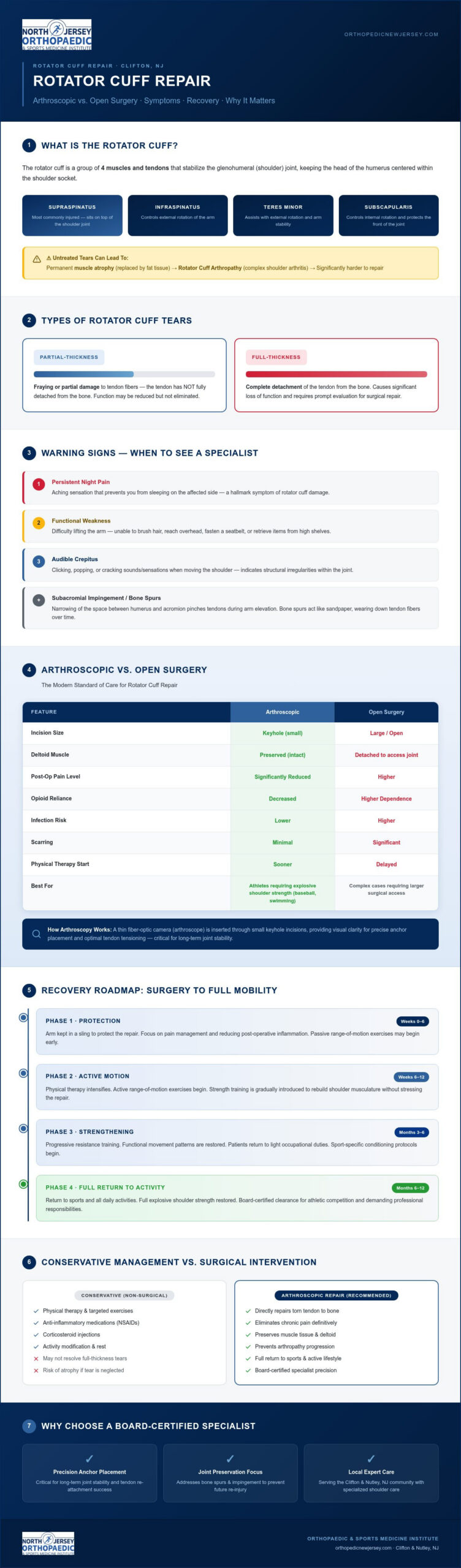
The rotator cuff is a functional group of four distinct muscles and tendons: the supraspinatus, infraspinatus, teres minor, and subscapularis. Together, they act as the primary stabilizer of the glenohumeral joint, keeping the head of the humerus securely centered within the shallow shoulder socket. In the Clifton community, injuries to this complex often stem from repetitive overhead motions common in local athletics or the progressive wear associated with aging. While some patients experience a sudden acute tear from a fall, many others suffer from chronic degradation. Understanding the severity of these injuries is the first step toward determining if you require professional rotator cuff repair Clifton NJ.
Orthopedic surgeons categorize these injuries based on the depth of the tendon damage. A partial-thickness tear involves fraying or damage to the tendon fibers without a complete separation from the bone. Conversely, a full-thickness tear indicates the tendon has detached entirely, often causing a significant loss of function. Ignoring these symptoms is risky. Over time, a neglected tear can lead to permanent muscle atrophy, where the muscle tissue is replaced by fat. This progression can eventually result in rotator cuff arthropathy, a complex form of shoulder arthritis that makes standard repairs much more difficult.
Symptoms That Require an Orthopedic Consultation
Recognizing the signs of a tear early can prevent long-term joint damage. Patients often report specific patterns of discomfort that interfere with daily life:
- Persistent night pain: A hallmark symptom is an aching sensation that prevents you from sleeping on the affected side.
- Functional weakness: You may find it difficult to lift your arm to brush your hair or reach for items on a high shelf.
- Audible crepitus: Feeling or hearing a clicking, popping, or cracking sensation when moving the shoulder often suggests structural irregularities within the joint.
The Anatomy of a Shoulder Injury
Most rotator cuff injuries involve the supraspinatus tendon, which sits directly on top of the shoulder joint. This area is particularly susceptible to subacromial impingement. This condition occurs when the space between the top of the humerus and the acromion (the “roof” of the shoulder) narrows. As you lift your arm, the tendons are pinched, causing inflammation and degradation over time. Additionally, the development of bone spurs can act like sandpaper, slowly wearing down the tendon fibers through mechanical friction. Addressing these anatomical issues through specialized care ensures the joint is not only repaired but protected from future injury.
Arthroscopic vs. Open Rotator Cuff Repair: The Modern Standard
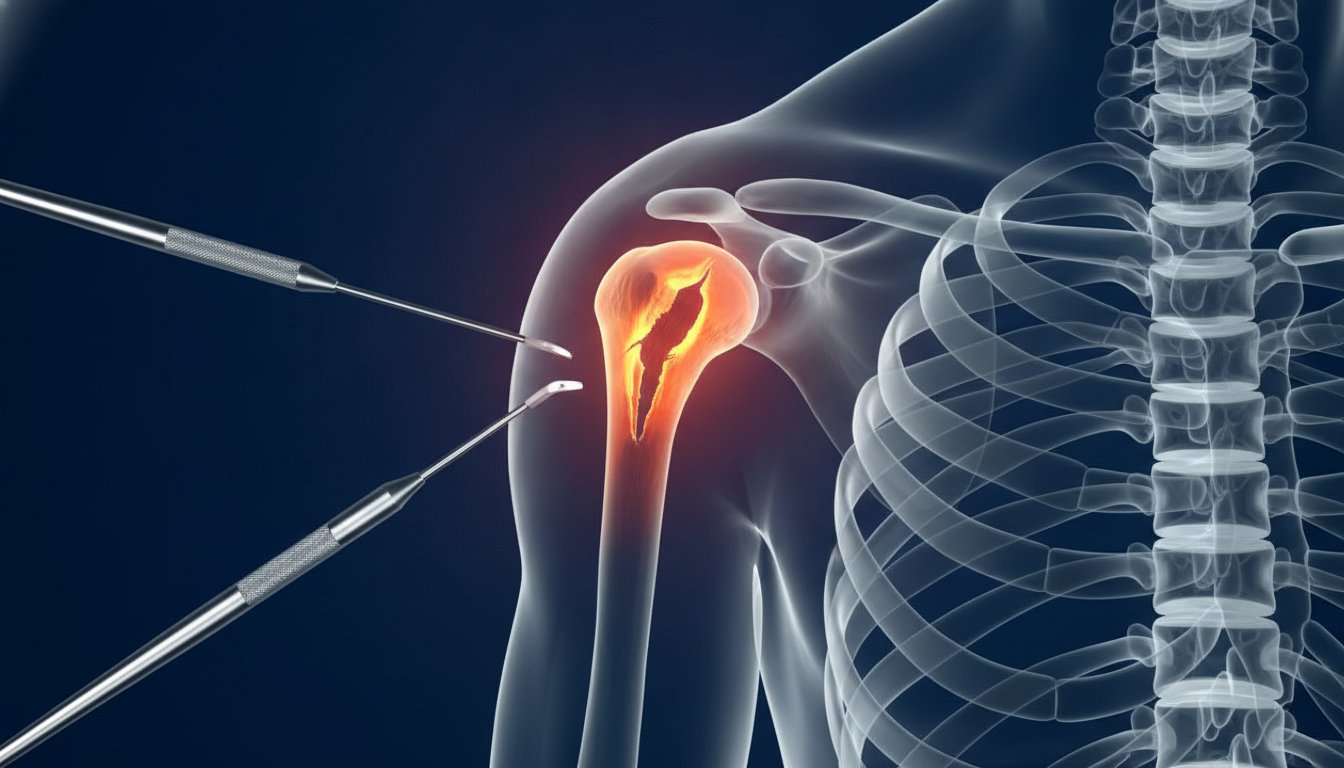
Modern advancements have transformed the surgical landscape, moving away from large, invasive incisions toward precision-based techniques. When patients seek rotator cuff repair Clifton NJ, they’re often candidates for arthroscopy. This method utilizes an arthroscope, a thin tube equipped with a fiber-optic camera, inserted through small keyhole incisions. This visual clarity allows for meticulous anchor placement and optimal tendon tensioning, which are critical for long-term joint stability.
Unlike traditional open surgery, which often requires the surgeon to detach the deltoid muscle to reach the rotator cuff, arthroscopic techniques are muscle-sparing. By leaving the deltoid intact, we preserve the primary power source of the shoulder. Preserving this muscle is a significant reason why arthroscopic rotator cuff repair Clifton NJ is the preferred choice for athletes in the Clifton and Nutley area who depend on explosive shoulder strength for sports like baseball or swimming.
The Benefits of Minimally Invasive Shoulder Surgery
Choosing a minimally invasive approach offers clinical advantages that extend beyond aesthetics. Because the incisions are small, there’s less disruption to the surrounding soft tissue. This results in significantly reduced post-operative pain and a decreased reliance on opioid medications during the early recovery phase. Smaller wounds also carry a lower risk of surgical site infections and result in minimal scarring. Most importantly, the reduced trauma allows patients to begin physical therapy sooner, facilitating a more efficient recovery of the shoulder’s functional range.
When is Traditional Open Surgery Still Necessary?
While arthroscopy is the gold standard for most cases, certain clinical scenarios require a different approach. If a patient presents with a massive, multi-tendon tear or requires a complex revision of a previous surgery, an open or ‘mini-open’ technique might be the safest option. These hybrid methods involve a small incision but allow for direct visualization of large-scale reconstructions. Dr. Russonella evaluates each patient’s unique anatomy and injury severity to determine the most effective surgical path. If you’re experiencing chronic weakness, it’s beneficial to consult with a board-certified specialist to discuss which surgical method aligns with your recovery goals.
Is Surgery Right for You? Evaluating Your Treatment Options
Deciding between non-operative care and rotator cuff repair Clifton NJ requires a methodical evaluation of your symptoms, activity level, and the physical characteristics of the injury. Not every shoulder injury requires an immediate trip to the operating room; however, a “wait and see” strategy isn’t always the safest clinical path. If a tear is large or has already begun to retract, delaying intervention can lead to muscle wasting that makes a successful reconstruction much more difficult to achieve later. Precision in diagnosis is mandatory for creating an effective treatment plan.
Active individuals in North Jersey often choose earlier surgical intervention to protect their long-term mobility. For a recreational athlete or a professional whose daily responsibilities require overhead lifting, restoring the structural integrity of the tendon is the most reliable way to ensure a return to full capacity. When evaluating the need for rotator cuff repair Clifton NJ, a board-certified orthopedic surgeon looks beyond simple pain management to assess the risk of the tear expanding and causing permanent joint damage.
Conservative Treatments Before Considering Surgery
Before moving to the operating room, many patients undergo a trial of targeted physical therapy. This program focuses on strengthening the scapular stabilizers and the remaining intact rotator cuff muscles to compensate for the injured tendon. Cortisone injections are frequently used to provide temporary relief from acute inflammation, allowing the patient to participate more effectively in their rehabilitation. While regenerative medicine options may offer symptom relief, they don’t structurally reattach a full-thickness tear. If physical therapy fails to improve function after several weeks, it’s a strong clinical indicator that mechanical repair is necessary.
Diagnostic Imaging for Rotator Cuff Tears in NJ
Accurate tear measurement is the foundation of modern shoulder surgery. We utilize advanced diagnostic imaging to visualize the extent of tendon damage and check for muscle atrophy. Magnetic Resonance Imaging (MRI) is the gold standard for measuring tear size and identifying the degree of tendon retraction. While these tests focus on soft tissue, X-rays remain essential to rule out fractures or significant bone spurs. X-rays also help identify underlying joint degradation, which may require Shoulder Arthritis Treatment in NJ alongside or instead of a soft tissue repair. This comprehensive imaging ensures that the surgical approach is tailored to the specific pathology of your shoulder.
The Recovery Roadmap: From Surgery to Full Mobility in Clifton
Success in rotator cuff repair Clifton NJ isn’t determined solely in the operating room. The surgical procedure reattaches the tendon, but the biological healing process requires a structured, multi-month commitment. For the first six weeks, the primary goal is protection. You’ll use a specialized sling to prevent active muscle contraction, which could jeopardize the repair. During this phase, we focus on passive range of motion, where a therapist or a machine moves your arm for you. This prevents the joint from “freezing” while allowing the tendon to knit securely to the bone.
Coordinating your rehabilitation with local specialists in Clifton, Nutley, and Bloomfield streamlines this process. Physical therapy represents approximately 50% of the success equation. We work closely with area therapists to ensure your protocol is followed with clinical precision. Most patients can return to driving and light desk work within two to six weeks, depending on which arm was operated on and the complexity of the repair. It’s a long-term investment that pays dividends in restored strength and the elimination of chronic pain.
Phase-by-Phase Rehabilitation Timeline
Recovery follows a biological clock that cannot be rushed. Following a standardized protocol ensures the tendon is strong enough to handle increasing loads:
- Weeks 1 to 6: Protection and Passive Range of Motion (PROM). The focus is on tissue healing and inflammatory control.
- Weeks 7 to 12: Active-Assisted and Active Range of Motion (AROM). You’ll begin moving the arm using your own muscle power, gradually increasing the reach.
- Months 4 to 6: Strengthening and return to sport. We introduce resistance training and movements specific to your daily activities or athletic pursuits.
For a more granular look at these stages, review our Rotator Cuff Surgery Recovery: A Weekly Timeline.
Managing Your Recovery Locally in North Jersey
Accessibility is a major advantage during the recovery phase. Having your surgeon’s office in Nutley, just minutes from Clifton, makes follow-up appointments and wound checks convenient. Before your procedure, we recommend modifying your home environment to support your limited mobility. Prepare a “recovery station” with easy-access clothing, pre-made meals, and a comfortable recliner, as many patients find it easier to sleep in a semi-upright position during the first few weeks. Small preparations significantly reduce stress during the critical early healing phase.
If you’re ready to take the first step toward a pain-free life, contact our board-certified team today to discuss your surgical and recovery plan.
Why Choose the Orthopaedic & Sports Medicine Institute for Your Repair?
Selecting the right surgical team is the most critical factor in achieving a successful outcome for rotator cuff repair Clifton NJ. At the Orthopaedic & Sports Medicine Institute, we prioritize a precision-based approach led by board-certified surgeon Dr. Michael C. Russonella. Our practice serves as a local bridge between traditional orthopedic wisdom and the future of minimally invasive care. By focusing on arthroscopic techniques, we ensure that residents of the Clifton area receive advanced surgical interventions that minimize downtime and maximize long-term joint stability.
We understand that patients aren’t just looking for a “quick fix”; they want a full return to their previous quality of life. This philosophy drives our commitment to patient-centered care, where every treatment plan is tailored to the individual’s anatomical needs and lifestyle goals. Our state-of-the-art facility in Nutley is designed to provide a comprehensive, streamlined experience for patients across the North Jersey corridor, offering expert surgical care just minutes from your home.
A Specialized Approach to Sports Medicine
Our practice’s foundation is built on the rigorous standards of high-level sports medicine. We apply the same meticulous techniques used to treat professional athletes to every patient we see, regardless of their activity level. This dedication to innovation is evident in our integration of cutting-edge technology, such as the BEAR® Implant for ACL repair, which reflects our broader mission to prioritize native tissue healing and joint preservation.
Being a dedicated community resource means we’re deeply invested in the health of our neighbors in Clifton, Nutley, and Bloomfield. We don’t just perform surgeries; we guide our patients through the entire biological healing process. This includes close communication with your rehabilitation team to ensure your recovery is progressing as expected, helping you regain your peak physical performance with confidence.
Schedule Your Consultation Near Clifton, NJ
The path to recovery begins with a comprehensive orthopedic evaluation. During your initial visit, Dr. Russonella will perform a detailed physical examination and review your diagnostic imaging to determine the precise extent of your tendon injury. We take the time to explain your options clearly, ensuring you feel secure in your treatment path. It’s our goal to provide the transparency and education necessary for you to make informed decisions about your health.
Our administrative team simplifies the logistical side of care by coordinating directly with your primary care physician and insurance provider. We aim to remove the friction from the healthcare process so you can focus entirely on your rehabilitation and healing. If you’re ready to address your shoulder pain with a specialist who values precision and empathy, book your appointment at our Nutley office today.
Reclaim Your Active Lifestyle with Specialized Shoulder Care
Chronic shoulder pain doesn’t have to be a permanent obstacle to your daily activities or athletic goals. As we have explored, modern arthroscopic techniques have transformed the surgical experience; they offer a muscle-sparing alternative to traditional open procedures. By prioritizing early intervention and a methodical rehabilitation roadmap, you can effectively restore your joint’s structural integrity and avoid the risks of permanent muscle atrophy. Seeking a specialized rotator cuff repair Clifton NJ ensures you benefit from the latest advancements in orthopedic medicine without traveling far from home.
Dr. Michael C. Russonella, a board-certified orthopedic surgeon specializing in minimally invasive arthroscopy, provides high-level clinical expertise at our convenient Nutley location. Our team is dedicated to guiding you through every phase of the healing process, from the initial diagnostic imaging to your final return to sports. Schedule Your Shoulder Consultation with Dr. Russonella today to take the first step toward a pain-free future. You deserve a recovery plan that is as focused and resilient as you are.
Frequently Asked Questions
How long is the surgery for a rotator cuff repair?
Most arthroscopic procedures for rotator cuff repair Clifton NJ take approximately 60 to 90 minutes to complete. The exact duration depends on the size of the tear and the complexity of the tendon reconstruction required. Because we utilize minimally invasive techniques, this is typically performed as an outpatient procedure. Patients spend a few hours in the recovery room for monitoring before being discharged to go home the same day.
Can a rotator cuff tear heal on its own without surgery?
A full-thickness rotator cuff tear cannot heal on its own because the tendon is physically detached from the bone and retracted by the muscle. While some partial tears may stabilize with physical therapy and activity modification, they do not structurally reattach without intervention. If you leave a significant tear untreated, it can expand and lead to permanent muscle atrophy. This makes surgical intervention a necessary consideration for active individuals.
When can I drive after rotator cuff surgery?
Most patients can return to driving between six and eight weeks after surgery. You must be completely finished with narcotic pain medications and no longer required to wear a sling for protection. Safety is the primary concern; you need sufficient strength and range of motion to perform emergency maneuvers. Dr. Russonella will provide a specific clearance based on your healing progress during a follow-up appointment at our Nutley office.
Is rotator cuff surgery painful?
While any surgical procedure involves some discomfort, modern arthroscopic techniques significantly reduce postoperative pain compared to traditional open surgery. We use regional nerve blocks and advanced pain management protocols to keep you comfortable during the initial recovery phase. Most patients find that their pain is well-managed with a combination of ice therapy and prescribed medications. The discomfort typically transitions to a manageable ache within the first few days.
What is the success rate of arthroscopic rotator cuff repair?
The success rate for arthroscopic rotator cuff repair is high, with many clinical studies reporting significant pain relief and functional improvement in over 90% of patients. Success depends on factors such as the quality of the tendon tissue and your commitment to the rehabilitation protocol. By utilizing precise video-guided instruments, we ensure optimal anchor placement, which contributes to the long-term durability of the repair for our rotator cuff repair Clifton NJ patients.
Will I need physical therapy after my shoulder surgery in Clifton?
Yes, physical therapy is an essential component of the recovery process. Surgery restores the mechanical attachment, but therapy restores your strength and mobility. We coordinate closely with physical therapists in Clifton and Nutley to ensure your rehabilitation follows a specific phase-based timeline. This professional guidance helps prevent joint stiffness and ensures you don’t overload the healing tendon too early, which is vital for a successful long-term outcome.
How do I know if my rotator cuff is torn or just strained?
A strain typically involves inflammation or microscopic damage that improves with rest and anti-inflammatory care within a few weeks. A structural tear often presents with persistent weakness, a catching sensation, and pain that prevents sleep. If you cannot lift your arm or if the pain doesn’t subside with conservative care, it’s a sign of a potential tear. A board-certified evaluation and diagnostic imaging are required to confirm the structural integrity of the joint.
Does insurance cover minimally invasive rotator cuff repair in NJ?
Most major insurance providers in New Jersey cover minimally invasive rotator cuff repair when it is deemed medically necessary. This usually follows a diagnosis confirmed by an MRI and a trial of conservative treatments. Our administrative team works directly with your insurance carrier to verify coverage and obtain any necessary pre-authorizations. We aim to make the process as transparent as possible so you can focus entirely on your surgical recovery and rehabilitation.