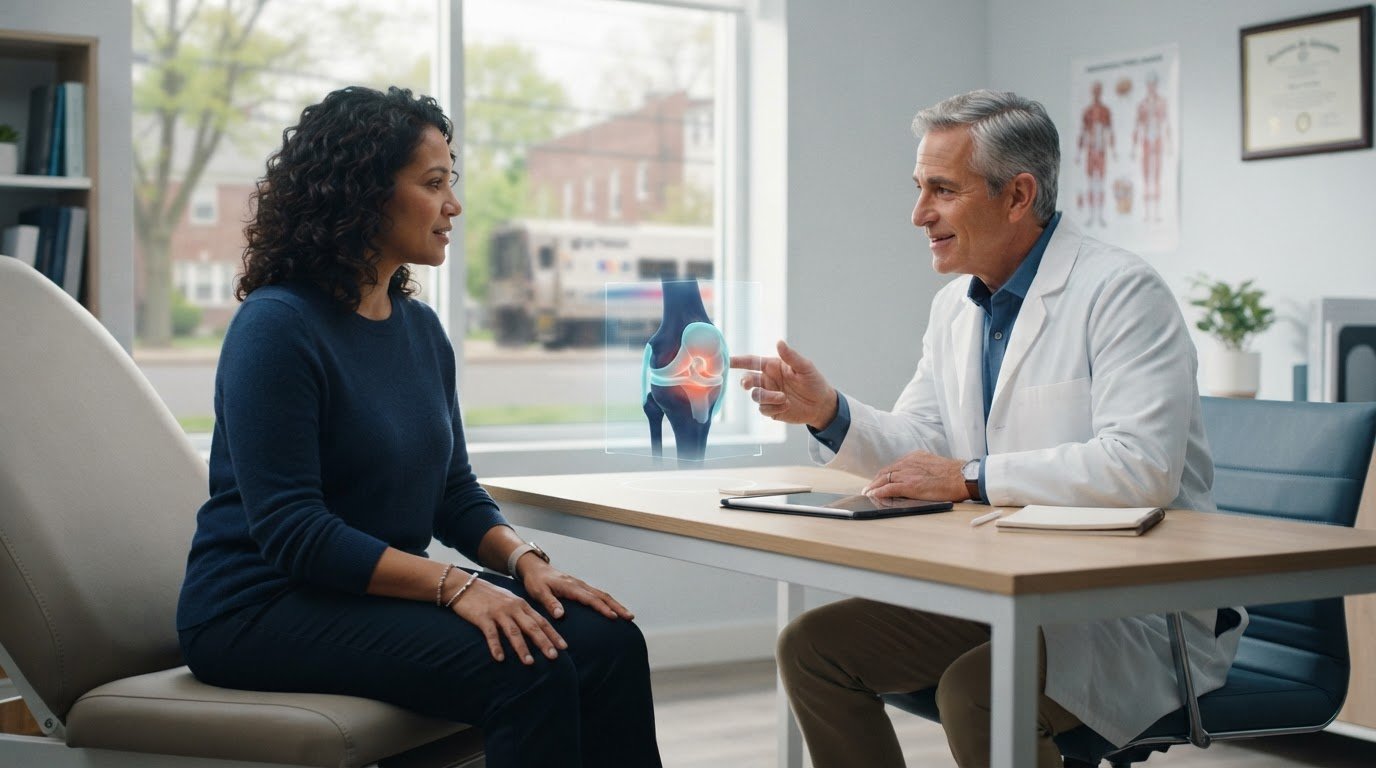
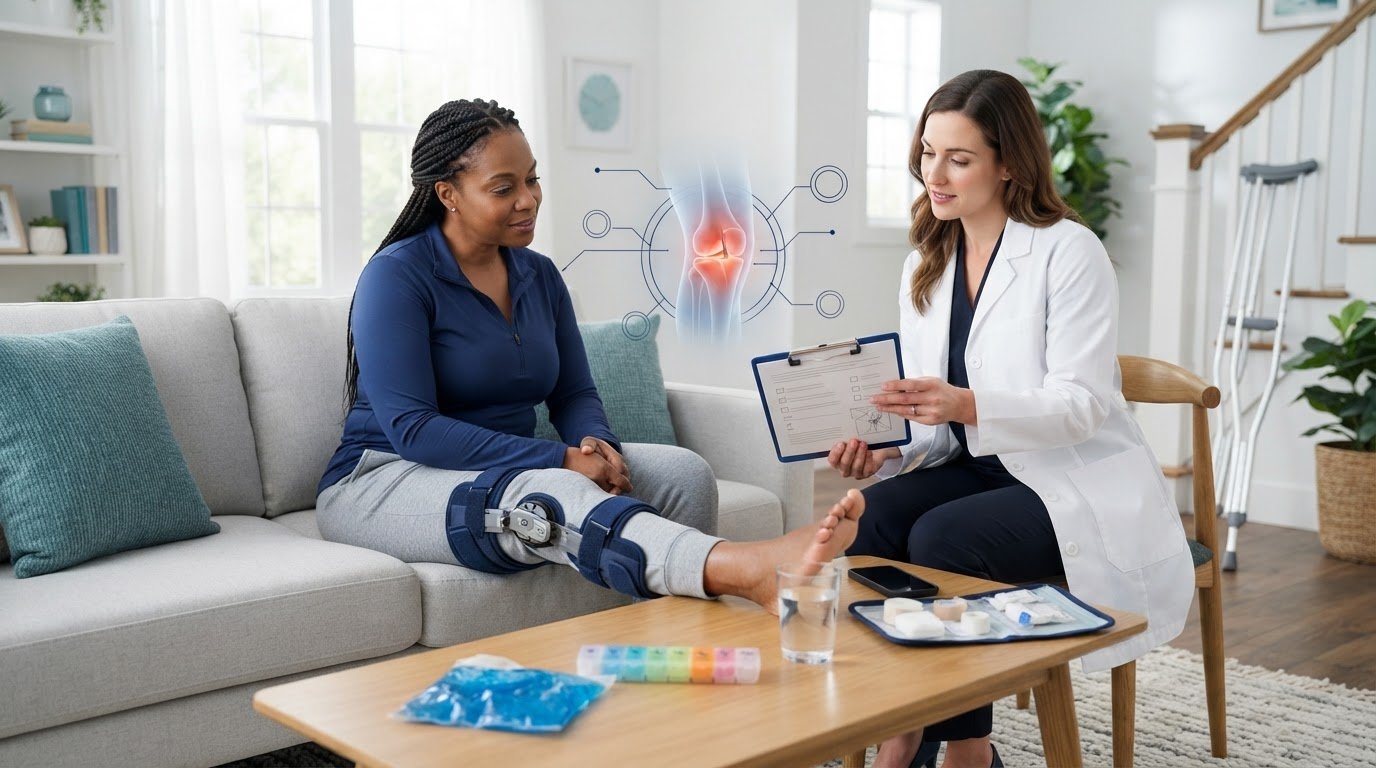
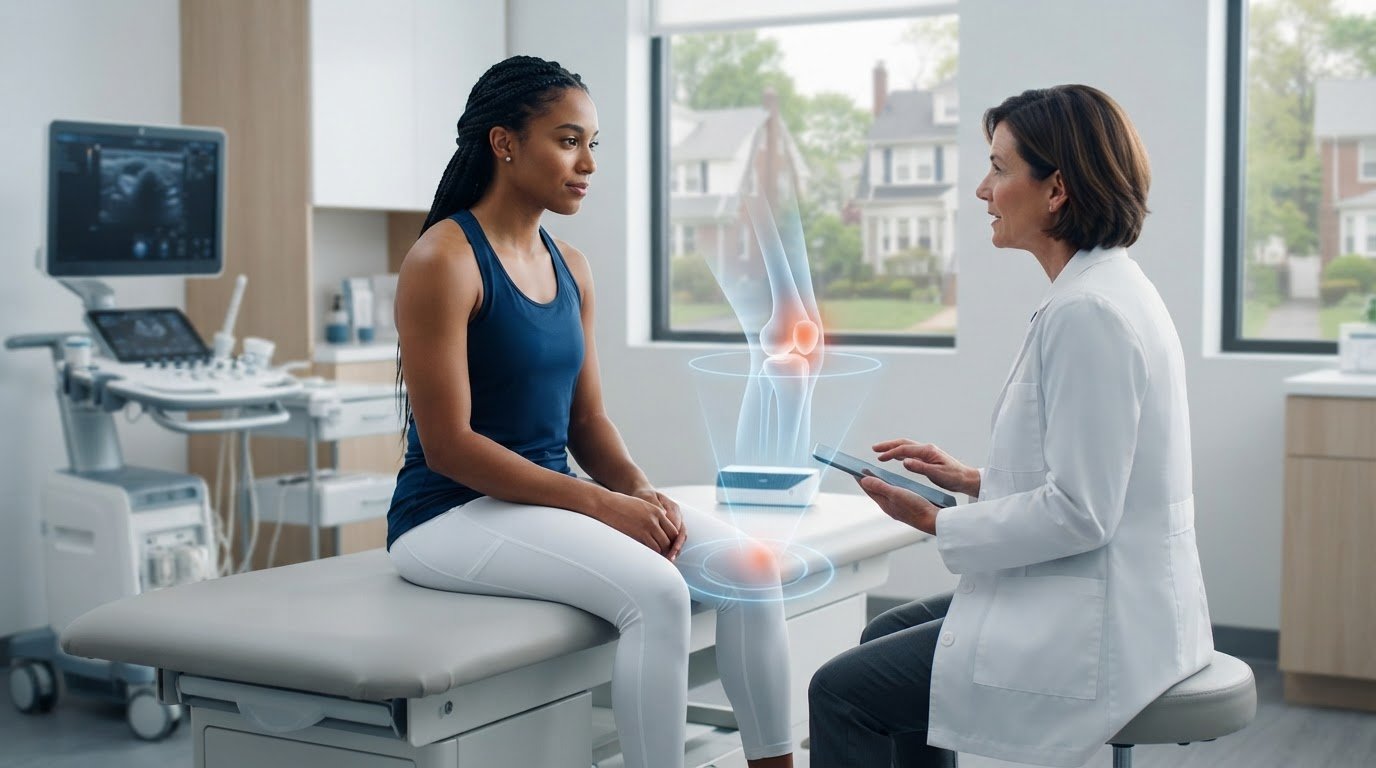
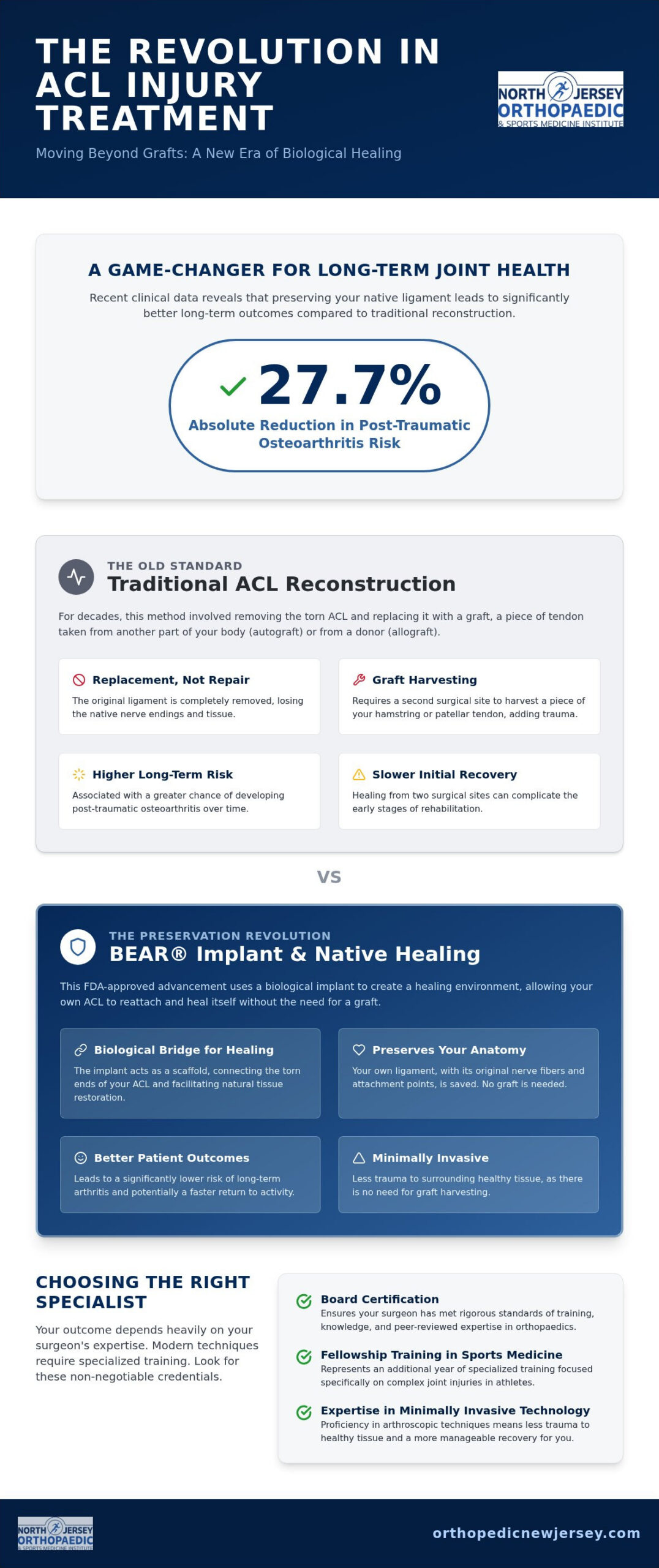
For decades, a complete ACL tear meant one thing: a surgeon would harvest a piece of your own hamstring or use a donor tendon to build a replacement ligament. However, the traditional graft you have been told is necessary might actually be the less effective choice for your long-term joint health. Recent clinical data from 2026 shows that preserving your native ligament can lead to a 27.7 percent absolute reduction in the risk of post-traumatic osteoarthritis compared to traditional reconstruction. It’s a significant shift in orthopaedic science that prioritizes the body’s natural ability to heal its own tissue.
If you’re facing a serious joint issue, it’s natural to feel a sense of urgency mixed with anxiety about the road ahead. You want to return to your sport or daily routine, but the fear of a permanent loss in mobility is a heavy burden. By working with a knee injury specialist NJ athletes and families rely on, you can access modern interventions that move beyond old-school replacements. You don’t have to settle for a standard graft when biological restoration is an available option.
This guide explores how the BEAR® Implant and other minimally invasive techniques allow for native ligament healing and faster returns to activity. We’ll break down the latest FDA-approved advancements and help you determine if tissue preservation is the right path for your recovery in Nutley, Bloomfield, or Clifton.
Key Takeaways
- Learn why consulting a board-certified knee injury specialist NJ residents trust is essential for distinguishing between complex soft tissue tears and bone-related damage.
- Discover how the BEAR® Implant facilitates native ligament healing, acting as a biological bridge rather than replacing your ACL with a traditional graft.
- Understand the clinical shift toward meniscus preservation and repair, which prioritizes long-term joint health over the traditional practice of tissue removal.
- Identify the essential credentials to look for in a surgeon, including fellowship training in sports medicine and expertise in minimally invasive surgical technology.
- Explore a patient-centered approach to recovery in Nutley that bridges the gap between established medical wisdom and the future of specialized knee care.
Understanding Complex Knee Injuries: Why a Specialist is Essential
The knee is more than a simple hinge. It’s a sophisticated interplay of ligaments, cartilage, and bone that facilitates every step you take. When pain occurs, a general practitioner might identify the general location of the discomfort, but a knee injury specialist NJ board-certified surgeon analyzes the joint’s mechanics. Distinguishing between a tibial plateau fracture and a high-grade ACL tear requires a diagnostic eye trained specifically in orthopaedic pathology. This level of specialization is the difference between a generic recovery plan and a targeted intervention designed to save your natural anatomy.
Board certification isn’t just a plaque on the wall; it’s a non-negotiable credential. It represents a commitment to rigorous standards and peer-reviewed expertise that general practitioners don’t possess. For residents in Nutley and Clifton, choosing a specialist with this credential ensures your care aligns with the latest surgical protocols. We’ve seen a massive shift in orthopaedic care over the last decade. The industry has moved away from disruptive “open” procedures toward precise, minimally invasive arthroscopy. This evolution means less trauma to surrounding healthy tissue and a significantly more manageable recovery period for the patient.
The Anatomy of a Knee Injury
To understand your injury, you must understand the structures at risk. The Anterior Cruciate Ligament (ACL) controls rotation and forward movement, while the Medial Collateral Ligament (MCL) protects against inward pressure. Between the femur and tibia sits the meniscus, a C-shaped shock absorber that’s vital for joint longevity. Mechanical symptoms often tell the clinical story. If your knee “locks” in place, it suggests a displaced meniscus tear. If it “gives way” during a pivot, the ACL is likely compromised. While acute sports injuries happen in a split second, degenerative wear happens over years. Both require specific, tailored interventions from a knee injury specialist NJ families trust.
Diagnostic Excellence in North Jersey
Modern diagnostics have moved beyond basic physical exams. We utilize high-resolution imaging and dynamic testing to visualize the joint in motion. Early intervention is critical for long-term health. For younger patients, delaying a repair can lead to secondary arthritis within a decade. Accessing minimally invasive orthopedic surgery NJ protocols allows us to address damage before it becomes permanent. Our Nutley office provides a high-tech, localized alternative to congested hospital systems. We focus on a diagnostic process that values accuracy over brevity, ensuring every patient understands the “why” behind their treatment plan.
Common Knee Conditions Treated by North Jersey Specialists
Athletic communities in Nutley and Bloomfield face unique physical demands, from high school football at local stadiums to weekend distance running. Consequently, a knee injury specialist NJ frequently encounters a specific spectrum of pathologies. While many patients present with localized pain, a dedicated specialist must first rule out referred pain. For instance, a labral tear in the hip can often manifest as discomfort in the knee. Precise clinical examination and diagnostic blocks help us ensure we’re treating the source, not just the symptom.
Overuse injuries like patellar instability and chronic tendonitis are also prevalent among North Jersey residents. These conditions often stem from biomechanical imbalances that put excessive stress on the extensor mechanism. Rather than simply masking the pain with anti-inflammatories, our approach focuses on correcting the underlying alignment or tissue weakness. If you’re experiencing persistent discomfort during activity, consulting a board-certified specialist can help prevent these minor issues from becoming chronic limitations.
ACL and Ligamentous Tears
A sudden “pop” followed by rapid swelling is the classic hallmark of an ACL rupture. However, not all ligamentous injuries are identical. We categorize these as partial or full-thickness tears based on the remaining structural integrity. For many years, a full tear meant a total reconstruction using a graft. Today, patients have access to the BEAR implant ACL repair New Jersey protocol. This technology allows the native ligament to heal itself, preserving your original anatomy and potentially reducing long-term joint degeneration.
Meniscus and Cartilage Damage
The meniscus acts as the primary shock absorber for your knee. When a rupture occurs, the traditional approach was often to “clean out” or remove the damaged piece. We now know that removing even a small portion of the meniscus significantly increases the risk of early-onset osteoarthritis. Our clinical priority is meniscus repair whenever possible. By using advanced suturing techniques and biological scaffolds, we aim to restore the tissue’s function rather than simply eliminating it. Minimally invasive arthroscopy allows us to navigate the joint space with high-definition cameras, removing only loose debris while focusing on the preservation of healthy cartilage.
ACL Reconstruction vs. BEAR® Implant: The Preservation Revolution
For decades, the standard surgical response to a torn ACL was reconstruction. This process involves removing the damaged ligament entirely and replacing it with a graft, typically harvested from the patient’s own patellar or hamstring tendon. While effective for restoring mechanical stability, reconstruction is essentially a replacement strategy. A knee injury specialist NJ board-certified surgeon can now offer a restorative alternative: the BEAR® Implant. This technology represents a fundamental shift from replacing tissue to regenerating it, allowing patients in Nutley and Bloomfield to keep their original anatomy.
The core difference lies in the biological outcome. Traditional grafts don’t possess the complex nerve endings of a native ligament. By contrast, restoration focuses on healing the tissue you were born with. While the recovery timelines for both procedures generally follow a six to nine month trajectory before a full return to high-impact sports, the biological milestones differ. Restoration patients often report a joint that feels more “natural” during the middle stages of physical therapy because the structural integrity of the original ligament is being preserved rather than discarded.
What is the BEAR® Implant?
The Bridge-Enhanced ACL Repair (BEAR®) technology uses a proprietary bio-absorbable collagen sponge to act as a bridge between the torn ends of the ligament. During the procedure, the surgeon saturates this scaffold with the patient’s own blood. This creates a healing environment that allows the ACL to knit back together, a feat previously thought impossible because the ACL doesn’t heal on its own in the fluid of the knee joint. As of 2026, clinical data indicates this approach has become a preferred standard for those seeking to avoid the morbidity of a graft harvest.
Candidacy for this procedure is time-sensitive. To achieve optimal results, the surgery must typically be performed within 50 days of the initial injury. The patient must also have enough of an ACL stump attached to the tibia to allow for successful bridging. For athletes in Clifton and Kearny, this makes early diagnostic imaging essential. If you miss this window, traditional reconstruction remains the primary path, but early intervention opens the door to native ligament healing.
Comparing Outcomes and Long-term Health
Long-term joint health is the primary driver behind the preservation revolution. Recent clinical data from 2026 reveals that six years after surgery, only 5.7 percent of BEAR® Implant patients showed signs of post-traumatic osteoarthritis, compared to 33 percent of those who underwent traditional reconstruction. This 27.7 percent absolute reduction in arthritis risk is a game-changer for younger patients who wish to remain active into their later decades. The BEAR® Implant is the first FDA-cleared technology to enable native ACL healing.
Proprioception, or your brain’s ability to sense the position and movement of the joint, is another critical advantage of preservation. Because the native ligament contains mechanoreceptors, it provides the brain with better feedback than a cadaver or harvested graft. This often results in superior balance and a more intuitive “feel” during complex athletic maneuvers. By choosing a knee injury specialist NJ who utilizes these advanced kits, you’re investing in the long-term biological health of your knee, not just a temporary mechanical fix.
How to Choose the Right Knee Injury Specialist in NJ
Selecting a surgeon is the most significant variable in your recovery outcome. While many practitioners perform general orthopaedic procedures, a dedicated knee injury specialist NJ board-certified surgeon offers a level of focus that generalists cannot match. You should prioritize professionals who’ve completed fellowship training in sports medicine. This additional year of specialized study ensures they’re well-versed in the latest arthroscopic techniques and biological restoration protocols. A specialist’s commitment to a “preservation first” philosophy means they’ll explore every avenue to save your native tissue before suggesting a total replacement or traditional graft.
Modern technology is another vital filter for your decision. Ensure your specialist has access to the BEAR® Implant and advanced minimally invasive kits. These tools are the hallmarks of a forward-thinking practice. If a surgeon only offers traditional reconstruction, you’re potentially missing out on advancements that reduce your long-term risk of arthritis. For residents in Nutley and Clifton, having this level of care available locally is a significant advantage over traveling to large, impersonal hospital systems in the city. If your injury occurred during an accident, The Injury Specialists can help you navigate the process by connecting you with specialized medical and legal professionals.
When you sit down for a consultation, the dialogue should be transparent and evidence-based. Don’t hesitate to ask specific questions about their procedural volume and technological adoption. You need to know if they’re comfortable with the latest standards of care. Consider asking the following:
- “Do you offer graft-less ACL repair using the BEAR® Implant?”
- “What is your success rate with minimally invasive meniscus repairs compared to partial removals?”
- “How do you coordinate post-operative care with local PT centers in Kearny or Belleville?”
A surgeon who values patient education will welcome these inquiries and provide clear, data-driven answers. Their ability to coordinate with your physical therapist is just as important as the surgery itself.
The Value of a Local Specialist
Proximity matters for more than just convenience. For patients in North Arlington and Lyndhurst, reducing travel stress during the early stages of recovery is essential. Frequent visits for wound checks, brace adjustments, and suture removal are much easier when your specialist is nearby. Local offices also have established relationships with community therapists, ensuring your rehabilitation protocol is followed precisely. If you’re looking for broader guidance on facilities, our sports medicine clinic Montclair NJ guide provides deeper insights into what to look for in a regional partner. To begin your journey toward recovery with a local expert, schedule a consultation with our board-certified team today.
Expert Knee Care in Nutley: Your Path to Recovery
The Orthopaedic & Sports Medicine Institute in Nutley isn’t just a clinic; it’s a specialized hub for joint restoration and biological healing. As a leading knee injury specialist NJ provider, we balance high-level surgical expertise with a deep understanding of the local athletic culture. Whether you’re an athlete in Belleville, a professional in Kearny, or a resident in Verona, our goal is to restore your mobility while preserving as much of your native anatomy as possible. We move beyond the one-size-fits-all approach often found in large hospital networks to provide a diagnostic experience that’s both thorough and empathetic.
Your journey to recovery begins with a comprehensive evaluation where we prioritize native ligament healing over aggressive replacement. We guide you through each phase of a structured “return to play” protocol, ensuring your joint is stable and your muscles are balanced before you increase your activity levels. This steady, methodical progression is designed to prevent re-injury and ensure the long-term success of your repair. Our commitment to the Nutley, Bloomfield, and Clifton communities means you receive world-class care without the stress of navigating a distant medical center.
Minimally Invasive Excellence
Our board-certified surgeon utilizes state-of-the-art arthroscopic techniques to address complex internal damage through incisions no larger than a buttonhole. This methodology is central to our “preservation first” philosophy, as it minimizes trauma to the surrounding healthy tissue. For active North Jersey residents, this translates to significantly reduced scarring and a faster transition to weight-bearing activities. Every surgical intervention is paired with a customized rehabilitation plan. These plans aren’t generic templates; they’re built around your specific lifestyle goals, whether that involves returning to competitive sports or simply walking the trails in Verona without discomfort. For those looking to supplement physical therapy with advanced dry needling or acupuncture, you can explore Per-Session Treatment and Assessment Fees to see how these services can be integrated into a comprehensive recovery strategy.
Taking the first step toward recovery shouldn’t be a source of anxiety. During your initial diagnostic visit in Nutley, we perform a detailed physical assessment and review high-resolution imaging to provide a clear, professional explanation of your condition. We value transparency and will discuss all modern procedural solutions, including the BEAR® Implant, to ensure you feel secure in your treatment choice. Our office is conveniently located for residents across Lyndhurst, North Arlington, and Bloomfield, offering a streamlined experience from check-in to follow-up. To begin your recovery journey, schedule your knee evaluation with our Nutley specialist and discover how advanced tissue preservation can change your outcome.
Prioritizing the Future of Your Joint Health
Modern orthopaedics has evolved from simply replacing damaged ligaments to actively restoring them. By prioritizing native tissue preservation and utilizing the BEAR® Implant, you can significantly reduce your long-term risk of arthritis while maintaining the natural mechanical feel of your joint. Choosing a knee injury specialist NJ board-certified surgeon ensures your care is anchored in both seasoned expertise and the latest clinical breakthroughs.
Our Nutley office serves as a convenient, high-tech alternative to traditional hospital systems for residents in Clifton, Bloomfield, and beyond. As a board-certified orthopedic surgeon specialized in BEAR® Implant ACL repair, we’re here to guide you from your initial diagnostic evaluation through a customized rehabilitation protocol. You don’t have to accept a standard reconstruction when biological restoration is a viable option.
Take the first step toward a more intuitive and durable recovery. Request an Appointment with Our Board-Certified Knee Specialist today to discuss your treatment path. We’re committed to helping you return to the activities you love with confidence and strength.
Frequently Asked Questions
Is the BEAR® Implant better than traditional ACL surgery?
The BEAR® Implant offers a restorative alternative that preserves your native anatomy, which traditional reconstruction cannot do. While the term “better” depends on individual clinical factors, recent 2026 data indicates a significant 27.7 percent absolute reduction in post-traumatic osteoarthritis risk compared to traditional grafts. It allows the body to heal its own ligament using a biological bridge. However, it requires a time-sensitive intervention, typically within 50 days of the initial injury.
How long is the recovery for a knee injury specialist in NJ to clear me for sports?
A knee injury specialist NJ board-certified surgeon typically follows a phased return-to-play protocol lasting six to nine months. While biological healing with the BEAR® Implant begins immediately, the structural maturation of the ligament requires time. We use objective strength testing and functional movement assessments to ensure your joint can handle the rotational stress of high-impact sports. Rushing this timeline increases the risk of re-injury, so we prioritize biological milestones over calendar dates.
Can a meniscus tear heal without surgery?
Healing potential depends on the location of the tear. Meniscus tissue is divided into the “red zone,” which has a robust blood supply, and the “white zone,” which has very little. Small, peripheral tears in the red zone may heal with conservative management and physical therapy. However, tears that cause mechanical symptoms like locking or catching often require minimally invasive arthroscopic repair to prevent further joint degeneration and secondary cartilage damage.
Do I need a referral to see a knee specialist in Nutley, NJ?
Whether you need a formal referral depends primarily on your specific insurance plan’s requirements. While New Jersey law allows direct access to physical therapy, many HMO plans still require a primary care physician’s referral for specialist consultations. We recommend contacting your insurance carrier or our Nutley office staff to verify your coverage. Our team can help you navigate these administrative requirements to ensure your diagnostic evaluation is processed correctly.
What are the signs that my knee pain requires a surgical consultation?
You should seek a surgical consultation if you experience mechanical symptoms such as the joint locking, catching, or “giving way” during movement. Persistent swelling that doesn’t respond to rest, or pain that wakes you up at night, are also significant indicators of internal structural damage. These signs often suggest a meniscus tear or ligamentous instability that requires a professional assessment to prevent the onset of early-stage osteoarthritis.
What insurance plans do knee injury specialists in North Jersey typically accept?
Most specialized orthopaedic practices in North Jersey accept a wide range of major commercial insurance plans, including Blue Cross Blue Shield, Aetna, Cigna, and UnitedHealthcare. Because coverage details vary by employer and specific policy, it’s essential to confirm that our Nutley location is in-network for your specific plan. We provide transparent billing information and can assist in obtaining necessary pre-authorizations for advanced procedures like minimally invasive arthroscopy or biological repairs.
How soon after a knee injury should I see a specialist in Clifton or Nutley?
You should schedule an evaluation as soon as possible, ideally within the first week of injury. Early diagnosis is critical for restorative options like the BEAR® Implant, which must typically be performed within 50 days of the tear. Delaying a consultation for residents in Clifton or Nutley can lead to the development of scar tissue or secondary damage to the meniscus, which may limit your surgical options to more invasive traditional reconstructions.
What is the difference between an orthopedic surgeon and a sports medicine doctor?
An orthopaedic surgeon is a medical doctor trained to treat musculoskeletal conditions through both surgical and non-surgical means. A sports medicine doctor may come from a primary care background and focuses on non-operative treatments. When you see a board-certified orthopaedic surgeon who is also fellowship-trained in sports medicine, you’re getting an expert who can provide the full spectrum of care, from advanced minimally invasive surgery to customized non-operative rehabilitation programs.