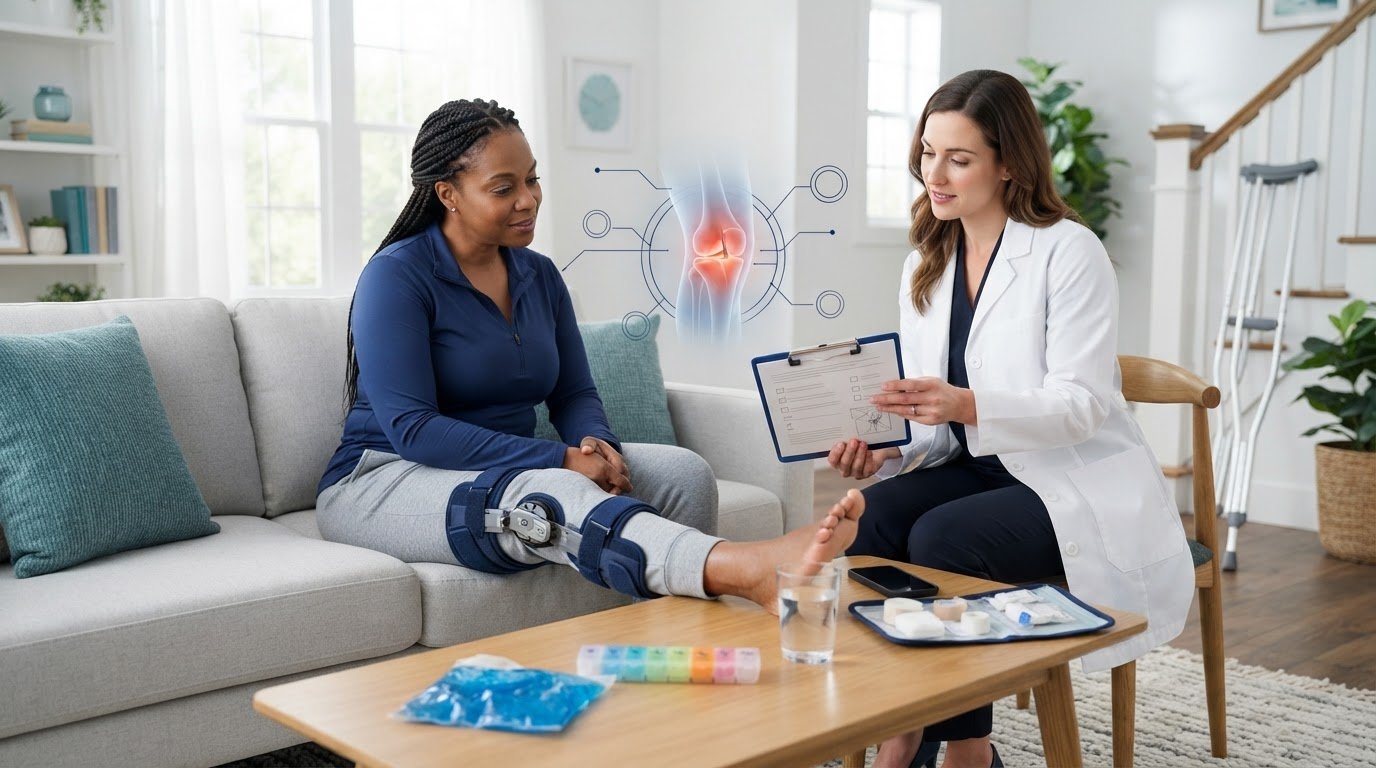
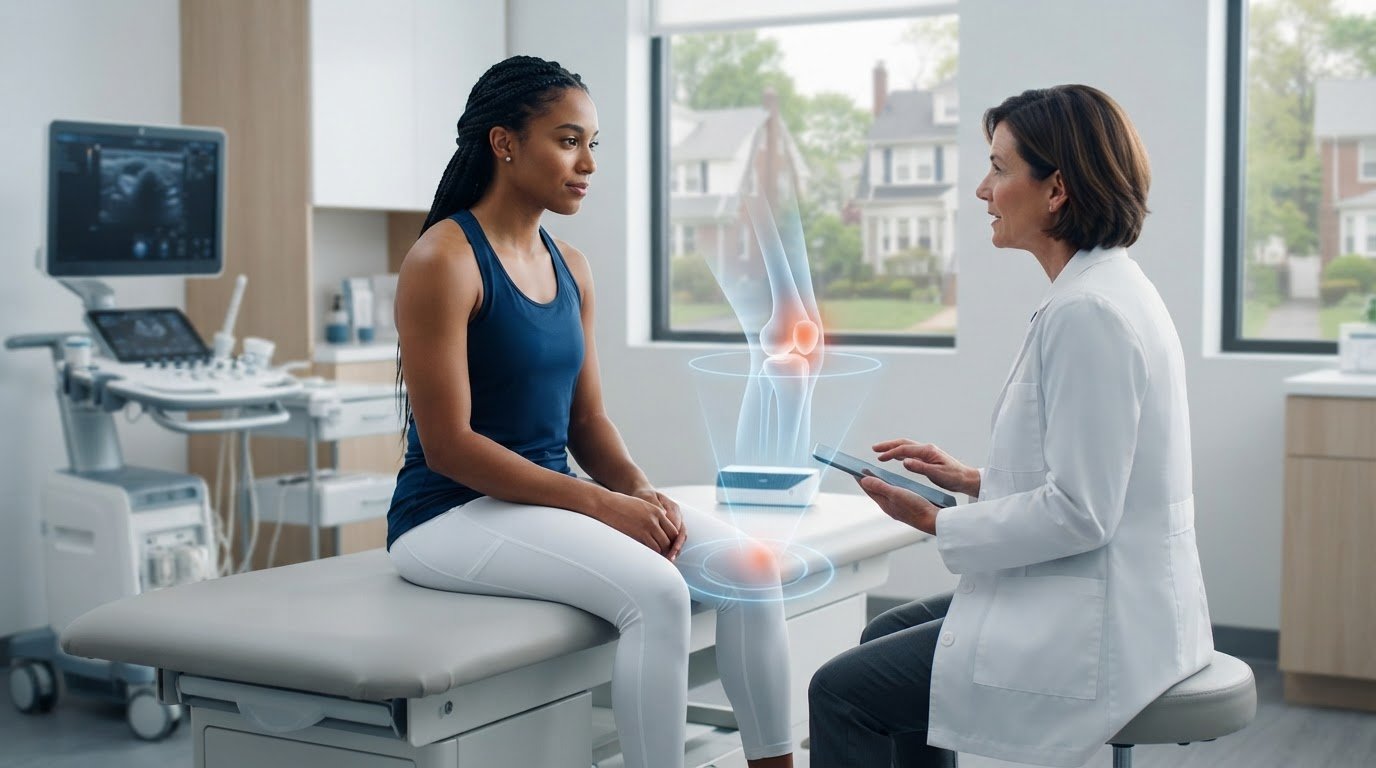
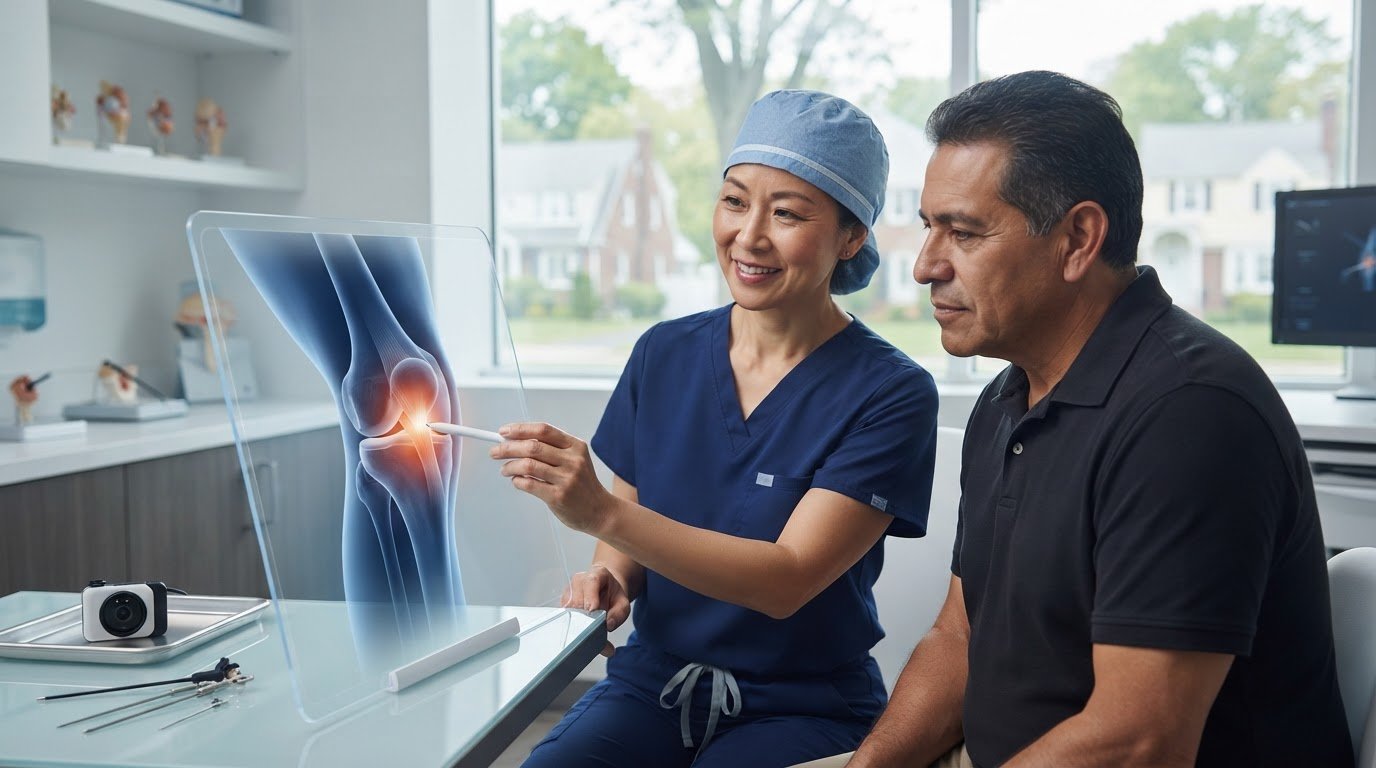
What if the sharp, debilitating pain in your knee doesn’t require a grueling recovery or a long commute for specialized care? It’s frustrating to be told to “wait and see” by generalists while you’re struggling just to walk through Verona Park or keep up with your daily exercise routine. You deserve a clear diagnosis and a treatment plan that respects your time and your desire to stay active. Finding a board-certified knee specialist Verona NJ residents can trust means getting access to cutting-edge diagnostics and restorative treatments, like the BEAR® Implant, right here in the Verona area.
We understand the fear of long downtime following traditional ACL or meniscus surgery. Modern orthopaedic advancements have shifted the focus toward native ligament healing and minimally invasive interventions that get you back on your feet faster than once thought possible. This article outlines how advanced diagnostic tools and innovative procedures can resolve your knee pain. We’ll provide a clear roadmap for your recovery, from an accurate initial assessment to utilizing the latest FDA-cleared technologies for long-term joint health.
Key Takeaways
- Learn why a specialized physical exam and dynamic assessment are critical for identifying the root cause of chronic knee instability.
- Understand the “native ligament” healing philosophy behind the BEAR® Implant, a graft-free alternative to traditional ACL reconstruction.
- Discover how to evaluate a board-certified knee specialist Verona NJ residents can access for local, high-tech surgical innovation.
- Identify the specific symptoms that indicate it’s time to transition from a general practitioner to an orthopedic surgeon specializing in joint preservation.
- Explore how minimally invasive techniques reduce downtime and provide a clear roadmap for returning to your active lifestyle in Essex County.
Identifying Knee Pain: When to See a Knee Specialist in Verona, NJ
Many individuals experiencing joint discomfort first consult a primary care physician. While generalists provide essential care, a board-certified knee specialist Verona NJ patients can access offers a deeper level of diagnostic precision. A specialist focuses exclusively on the complex mechanics of the knee joint, including ligaments, tendons, and cartilage. This specialized focus is vital because knee pain is rarely just a symptom of age; it is often a mechanical issue that requires a surgical or restorative solution. Relying on a “wait and see” approach can be detrimental, as many common causes of knee pain involve structural damage that won’t resolve with rest alone.
In Essex County, we frequently treat active adults and student athletes who participate in high-impact sports. For these patients, timing is everything. There is a specific “window of opportunity” for certain restorative treatments. For instance, the BEAR® Implant for ACL repair typically requires intervention within a specific timeframe following the initial injury to utilize the body’s natural healing potential. Delaying a consultation with a specialist can mean the difference between a native ligament repair and a more invasive traditional reconstruction using a graft.
Common Knee Conditions Treated in our North Jersey Office
Our practice addresses a wide spectrum of pathologies tailored to the lifestyle of North Jersey residents. Whether you are a marathon runner or an active senior, accurate identification of the injury is the first step toward recovery.
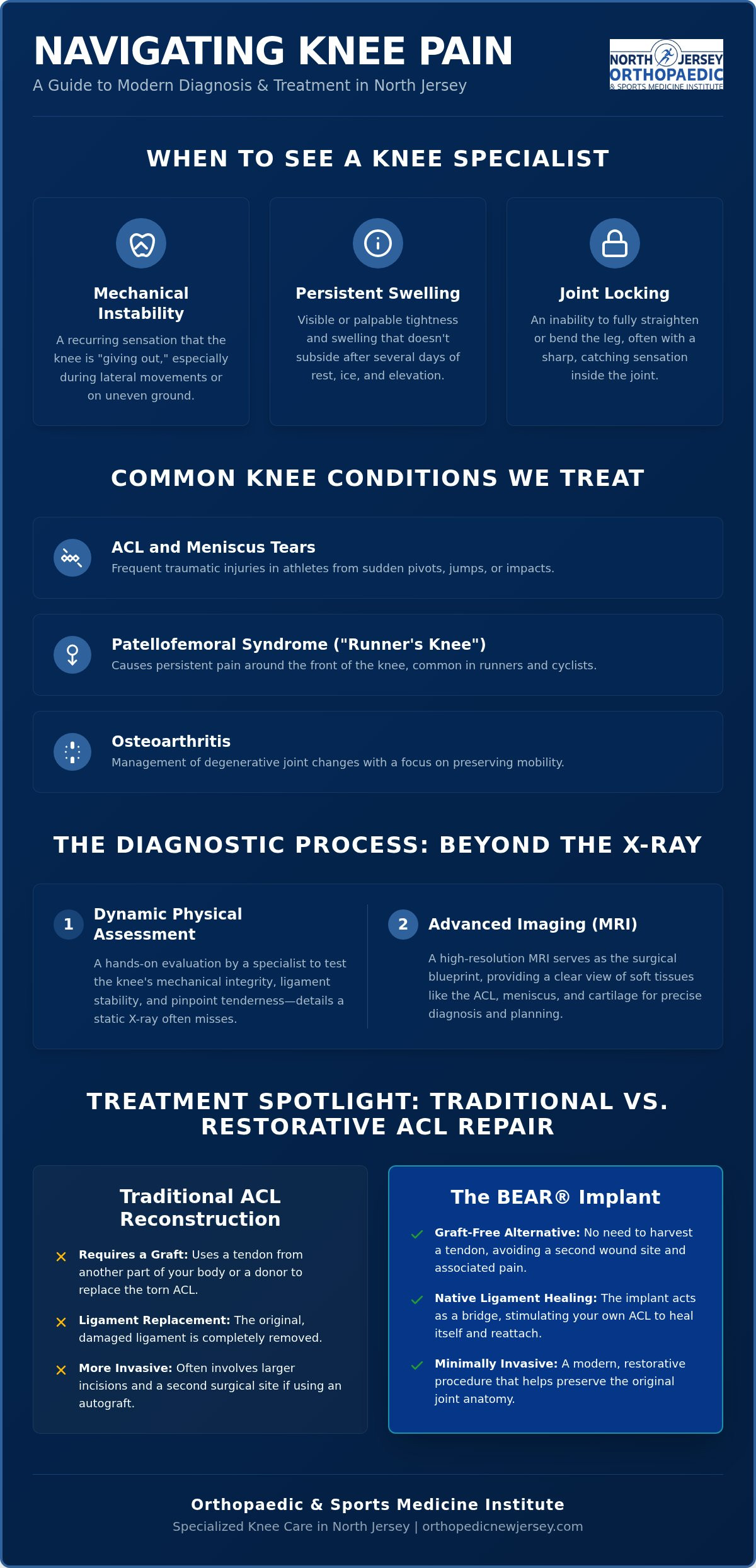
- ACL and Meniscus Tears: These are the most frequent traumatic injuries we see in local athletes. They often result from sudden pivots, jumps, or direct impact during competitive play.
- Patellofemoral Syndrome: Often called “runner’s knee,” this condition causes persistent pain around the front of the knee and is common among the Verona running and cycling community.
- Osteoarthritis: We specialize in managing degenerative changes in active seniors, focusing on joint preservation techniques to maintain mobility and delay the need for total joint replacement.
Warning Signs You Shouldn’t Ignore
Validating your pain is essential for long-term health. Choosing to “push through” a significant injury often leads to secondary joint damage, such as compensatory gait changes that strain the hips or the opposite knee. If you experience any of the following “red flag” symptoms, you should seek a professional evaluation.
- Mechanical Instability: A frequent sensation that the knee is “giving out” or feels untrustworthy during lateral movements or while walking on uneven surfaces.
- Persistent Effusion: Swelling that remains visible or feels tight even after several days of rest, ice, and elevation.
- Joint Locking: A physical inability to fully straighten or bend the leg, often accompanied by a sharp catching sensation within the joint.
Advanced Diagnostic and Minimally Invasive Approaches to Knee Care
Effective treatment for persistent joint dysfunction begins with an exhaustive diagnostic phase. While many patients expect a standard X-ray to reveal the source of their discomfort, this modality is primarily effective for visualizing bony structures and advanced joint space narrowing. A board-certified knee specialist Verona NJ residents visit will prioritize a dynamic physical assessment that goes far beyond static imaging. This hands-on evaluation allows the surgeon to test the mechanical integrity of the joint, assessing ligamentous laxity and identifying specific points of tenderness that an X-ray might overlook.
Advanced imaging, specifically high-resolution MRI, serves as a critical blueprint for surgical planning. It allows us to visualize the health of the ACL, meniscus, and articular cartilage with exceptional clarity. This precision is particularly important for newer, restorative procedures. For instance, data from the BEAR® Implant clinical trial underscores the importance of precise patient selection based on the specific type and location of a ligament tear. By differentiating between acute trauma and chronic degenerative changes, we can tailor the intervention to the patient’s unique biological potential for healing.
The Diagnostic Process: Beyond the X-Ray
A physical examination by a board-certified surgeon remains the gold standard in orthopaedics. During your visit, we perform specific provocative tests to determine if your pain stems from a mechanical tear or an inflammatory condition. We use imaging to visualize the soft tissues, allowing us to see the exact pathology of a meniscus tear or the grade of a ligament sprain. This level of detail is essential for distinguishing between acute injuries that require immediate intervention and chronic wear-and-tear that might respond to conservative management.
The Benefits of Minimally Invasive Knee Surgery
Modern arthroscopic techniques have revolutionized how we approach joint repair. Instead of the large, disruptive incisions used in traditional open surgery, we utilize fiber-optic cameras and specialized instruments through portals roughly the size of a buttonhole. This methodology preserves the healthy surrounding musculature and neurovascular structures, which is a cornerstone of our surgical philosophy. By minimizing the trauma to the soft tissues, we create a more favorable environment for the body to begin its natural recovery process.
The clinical benefits of this approach are significant and well-documented. Patients typically experience reduced post-operative pain, minimal scarring, and a lower risk of surgical site infections. Perhaps most importantly, preserving the native anatomy allows for an accelerated transition into physical therapy. For those considering their options, our Minimally Invasive Orthopedic Surgery in NJ guide provides a detailed look at what to expect. If you’re noticing a decline in your athletic performance or daily comfort, scheduling a comprehensive diagnostic evaluation at our Nutley office is the most effective way to protect your long-term mobility.
Treatment Options: From Conservative Management to the BEAR® Implant
The resolution of knee pain doesn’t always require an immediate surgical intervention. For mild to moderate cases, we often begin with a structured regimen of physical therapy and targeted injections, such as viscosupplementation, to restore joint lubrication. However, when structural integrity is compromised, a specialized knee specialist Verona NJ patients trust will look toward joint preservation rather than simple replacement. Traditional ACL reconstruction has long relied on harvesting a graft from elsewhere in the body; this can lead to secondary donor-site morbidity. Modern repair techniques focus on utilizing the body’s innate biological potential to heal its own tissue.
The BEAR® Implant: A New Standard for ACL Repair
The Bridge-Enhanced ACL Repair (BEAR®) Implant represents a fundamental shift in how we treat ligament ruptures. Unlike traditional reconstruction, this procedure does not require a graft. Instead, the implant acts as a bioactive scaffold that holds the patient’s blood between the torn ends of the ligament, allowing the native tissue to bridge the gap and heal. This “native healing” philosophy is crucial because it preserves the original attachment points and nerve endings of the ligament. Preserving these structures may lead to superior proprioception, which is the body’s ability to sense its position in space, a vital factor for athletes returning to competitive play. For a detailed look at this technology, explore our guide on BEAR® Implant ACL Repair in New Jersey.
Meniscus Repair and Cartilage Preservation
We prioritize meniscus repair over removal whenever biologically possible. While a partial meniscectomy provides quick symptom relief, the long-term loss of this shock-absorbing tissue significantly increases the risk of early-onset osteoarthritis. Our approach utilizes advanced suturing techniques to stabilize the tear, promoting a healing environment that protects the articular cartilage. For those seeking a knee specialist Verona NJ residents can rely on for joint preservation, we offer a comprehensive assessment of cartilage health. Maintaining this tissue is the most effective way to delay or prevent the need for more extensive procedures like Minimally Invasive Total Knee Replacement in the future.
Typical return-to-play timelines for Essex County athletes include:
- Partial Meniscectomy: 4 to 6 weeks for a return to full activity.
- Meniscus Repair: 3 to 6 months to allow for biological healing of the tissue.
- ACL Repair or Reconstruction: 9 to 12 months for a complete return to competitive sports.
Choosing the Right Knee Specialist Near Verona: Credentials and Tech
Selecting a surgeon is the most consequential decision in your recovery journey. Finding a knee specialist Verona NJ patients can trust requires looking beyond a general orthopedic background. You need a practitioner who stays at the forefront of joint preservation and minimally invasive technology. While many doctors treat joint pain, a dedicated specialist understands the specific demands placed on the knee during high-impact activities and athletic competition. This expertise ensures that your treatment plan is designed for long-term stability rather than a temporary fix.
What Does ‘Board-Certified’ Really Mean for Your Recovery?
Board certification through the American Board of Orthopaedic Surgery (ABOS) is a rigorous, voluntary process that goes far beyond basic medical licensing. It involves a multi-year assessment of clinical knowledge and surgical skill. For an active patient, this certification ensures your surgeon has met the highest national standards for safety and efficacy. When a specialist also holds a fellowship in sports medicine, they bring a specific understanding of high-performance biomechanics. This expertise is vital for ensuring that a repaired ACL or meniscus can withstand the stresses of returning to intensive exercise. You can verify these credentials through the ABOS website to ensure your consultant is properly vetted.
The Importance of a Local Verona-Area Specialist
A practice’s technology stack is a direct reflection of its commitment to patient outcomes. When researching a knee specialist Verona NJ, ask specifically about their experience with modern alternatives to traditional reconstruction. The availability of the BEAR® Implant, for instance, indicates a practice that prioritizes joint preservation and native tissue healing. These advanced options aren’t universal; they require specialized training and a commitment to adopting the latest FDA-cleared methodologies. You shouldn’t have to travel to a large, impersonal hospital system to access this level of innovation.
Choosing a specialist with an office in nearby Nutley also offers practical advantages. The first few weeks following a procedure involve frequent check-ins to monitor healing and adjust rehabilitation protocols. Localized care minimizes travel stress during this vulnerable period. A local specialist also has established relationships with physical therapists in Verona and Nutley. This coordination ensures that your therapist understands the specific nuances of your surgical repair, leading to a more cohesive recovery plan. For more insights on selecting a provider, see our Sports Medicine Clinic Near Montclair, NJ guide.
If you’re seeking a personalized approach to joint health, contact our board-certified team to begin your recovery journey today.
Specialized Knee Care at The Orthopaedic & Sports Medicine Institute
Residents of Verona shouldn’t feel forced to navigate the bureaucratic hurdles of large, impersonal hospital systems to access elite orthopaedic care. The Orthopaedic & Sports Medicine Institute provides a streamlined, patient-centered alternative in nearby Nutley, located less than five miles from the center of Verona. As a board-certified knee specialist Verona NJ patients rely on, we combine the technical sophistication of a university medical center with the personalized attention of a specialized practice. Every treatment plan we develop is uniquely calibrated to your physiological needs and specific lifestyle goals, ensuring that your path to recovery is as efficient as possible.
We integrate advanced diagnostic technology with a commitment to clinical excellence. Our practice is designed for patients who value a direct relationship with their surgeon. By maintaining a focused environment, we can offer more agile and responsive care than larger institutions. This approach allows us to prioritize innovative, less disruptive methodologies that align with our philosophy of joint preservation and native tissue healing.
Our Patient-First Philosophy
Our clinical approach is rooted in transparency and continuity. You’ll move from your initial diagnostic assessment through your final recovery phase with a single, dedicated surgeon. This level of consistency is vital for monitoring subtle changes in joint function and adjusting rehabilitation protocols in real time. We provide clear, evidence-based communication regarding both surgical and non-surgical outcomes. Our focus remains on long-term joint health; we don’t simply aim for short-term pain relief, but rather a permanent restoration of your mechanical stability.
Schedule Your Consultation Near Verona
Preparing for your first visit is a straightforward process. We ask that you bring any recent imaging, such as MRI or X-ray discs, along with a detailed history of your symptoms and previous treatments. During this initial consultation, we’ll perform a comprehensive physical evaluation to assess your range of motion and joint stability. This is an opportunity to discuss your specific concerns and define what a successful recovery looks like for you, whether that means returning to competitive sports or simply walking without discomfort.
Our Nutley office offers convenient access for residents of Verona, Cedar Grove, and Montclair. If you’re ready to address your persistent joint pain with a board-certified knee specialist Verona NJ, we’re here to provide the expert guidance you need. Schedule your specialized knee assessment today to begin your journey back to the activities you love.
Restoring Your Mobility with Advanced Knee Care
The path to resolving persistent knee pain begins with an accurate diagnosis and a commitment to modern surgical innovation. By prioritizing joint preservation and minimally invasive techniques, you can avoid the extensive downtime often associated with traditional orthopedic procedures. Accessing a board-certified knee specialist Verona NJ residents trust ensures that you receive a customized roadmap for recovery, utilizing the latest FDA-cleared technologies like the BEAR® Implant to heal your native ligament. You don’t have to accept physical limitations as a permanent part of your lifestyle.
Our Nutley office provides a high-tech alternative to large hospital systems, offering the specialized expertise of a board-certified orthopedic surgeon right in your local community. Whether you are recovering from an acute sports injury or managing chronic joint wear, our focus remains on returning you to the activities you love with confidence and stability. It is time to move beyond the “wait and see” approach and take a proactive step toward lasting joint health.
Schedule Your Knee Consultation with Our Board-Certified Specialist
We look forward to helping you regain your strength and return to your active North Jersey lifestyle.
Frequently Asked Questions
What is the difference between a knee specialist and a general orthopedic surgeon?
A knee specialist focuses exclusively on the complex biomechanics of the knee joint. While general orthopedic surgeons manage a wide array of musculoskeletal issues, a specialist has undergone advanced fellowship training in sports medicine or joint preservation. This expertise allows for higher precision in diagnosing ligamentous instability and performing intricate procedures like the BEAR® Implant. Patients in the Verona area benefit from this focused knowledge when addressing specific mechanical dysfunction and seeking a return to high-performance activity.
Am I a candidate for the BEAR® Implant if I have a chronic ACL tear?
The BEAR® Implant is primarily indicated for patients with acute ACL ruptures, typically within 50 days of the injury. This timeframe is critical because the procedure relies on the body’s natural healing potential and the presence of native tissue that hasn’t yet scarred over. If you have a chronic tear, traditional reconstruction might be more appropriate. A consultation with a knee specialist Verona NJ residents visit can determine your specific candidacy through detailed imaging and a physical exam.
How long is the recovery time for minimally invasive knee surgery?
Recovery timelines vary based on the specific procedure, but minimally invasive techniques generally allow for a faster return to daily activities. Arthroscopic meniscus repairs often involve a few weeks of protected weight-bearing, while complex ligament repairs require several months of structured rehabilitation. Because we utilize smaller incisions and preserve the surrounding healthy tissue, patients typically experience reduced post-operative pain and a more efficient transition into physical therapy compared to traditional open surgery performed in hospital settings.
Do you offer non-surgical treatments for knee arthritis in Verona?
We provide a comprehensive range of non-surgical interventions for patients in the Verona and Nutley areas. These include viscosupplementation injections to improve joint lubrication, corticosteroid injections for inflammation, and customized physical therapy protocols. Our goal is to preserve the native joint for as long as possible. We prioritize these conservative measures for mild to moderate osteoarthritis before considering surgical options like minimally invasive joint preservation or total joint replacement as a last resort.
What should I bring to my first knee specialist appointment?
You should bring any recent imaging studies, such as MRI or X-ray discs, along with the corresponding radiologist reports. It’s also helpful to provide a detailed list of current medications and a history of previous treatments or physical therapy. Having this information available during your visit at our Nutley office allows your surgeon to perform a more accurate assessment and develop a personalized treatment plan without unnecessary diagnostic or administrative delays that can slow your recovery.
Will I need physical therapy after my knee procedure?
Physical therapy is a mandatory component of the recovery process for nearly all surgical knee interventions. It helps restore range of motion, strengthens the supporting musculature, and ensures proper joint mechanics. We coordinate closely with local therapists in Verona and Nutley to ensure your rehabilitation protocol matches the specific requirements of your procedure. Consistent participation in therapy is the most significant factor in achieving a successful long-term outcome and returning to sports safely after an injury.
Is the BEAR® Implant covered by insurance in New Jersey?
Most major commercial insurance providers in New Jersey now cover the BEAR® Implant, as it has received FDA clearance and demonstrated significant clinical benefits. However, coverage can vary based on your specific plan and employer group. Our administrative team can assist in verifying your benefits and obtaining the necessary prior authorizations. We recommend that patients contact their insurance carrier directly to confirm their out-of-pocket responsibilities for this advanced restorative knee procedure before scheduling their surgery.
How soon can I return to sports after a meniscus repair?
Returning to high-impact sports after a meniscus repair typically takes between three to six months. This duration allows the biological healing of the sutured tissue to complete safely. While you might feel ready sooner, premature stress on the repair can lead to failure. We monitor your progress through functional testing to ensure your knee can handle the pivoting and jumping required for competitive play in local North Jersey athletic leagues and recreational activities without pain.