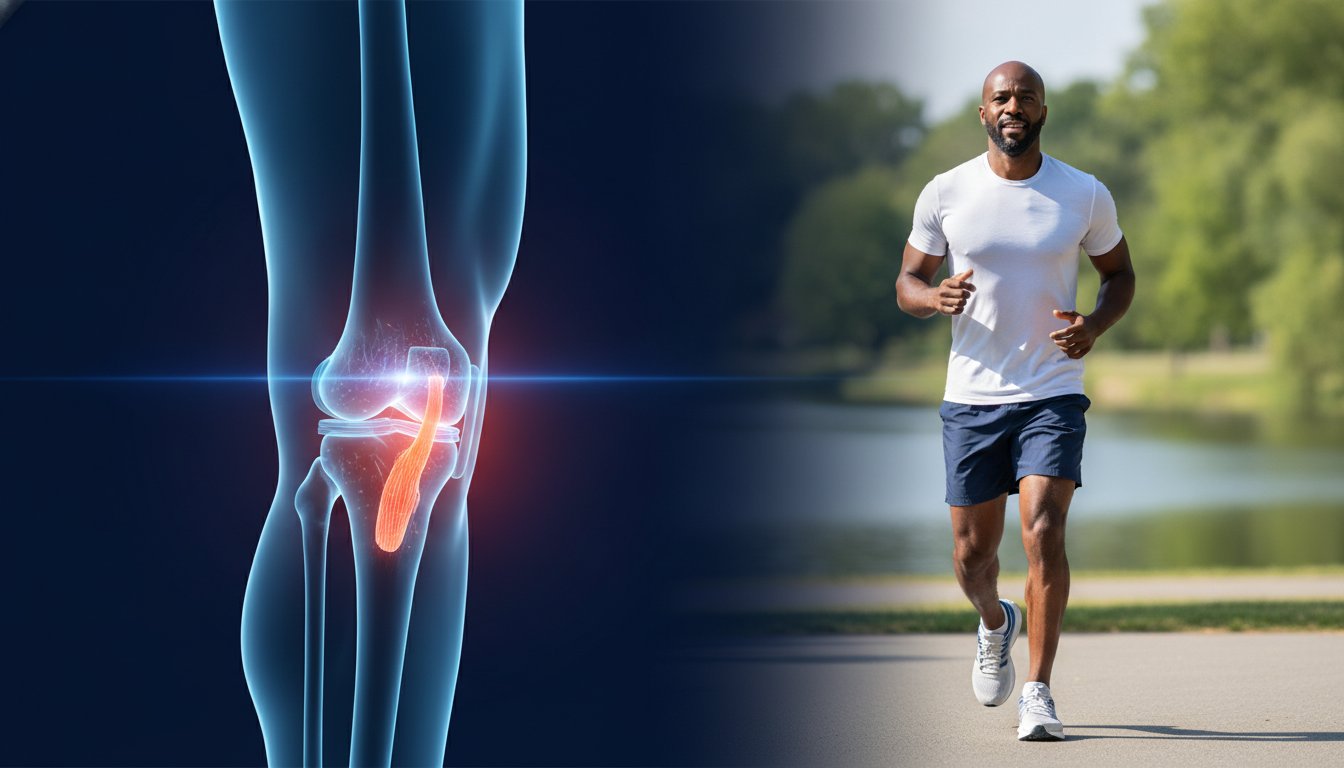
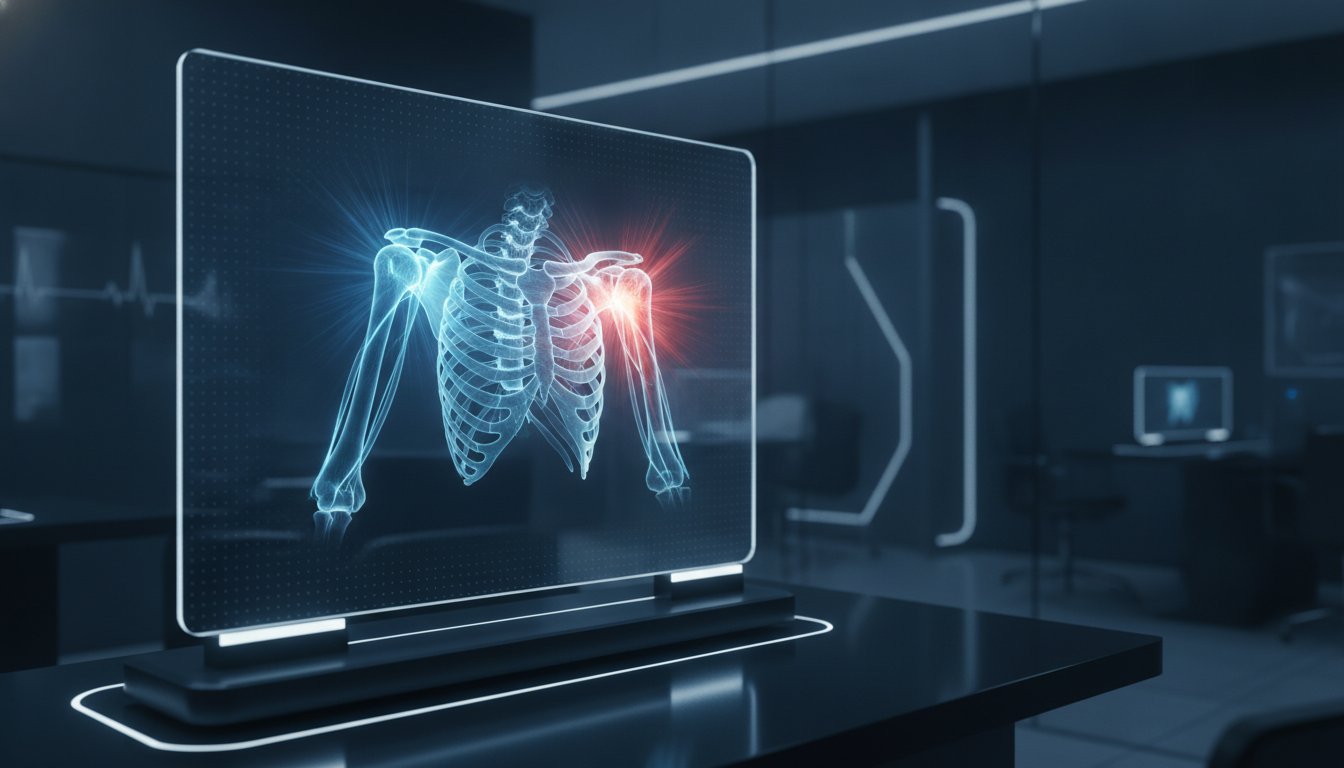
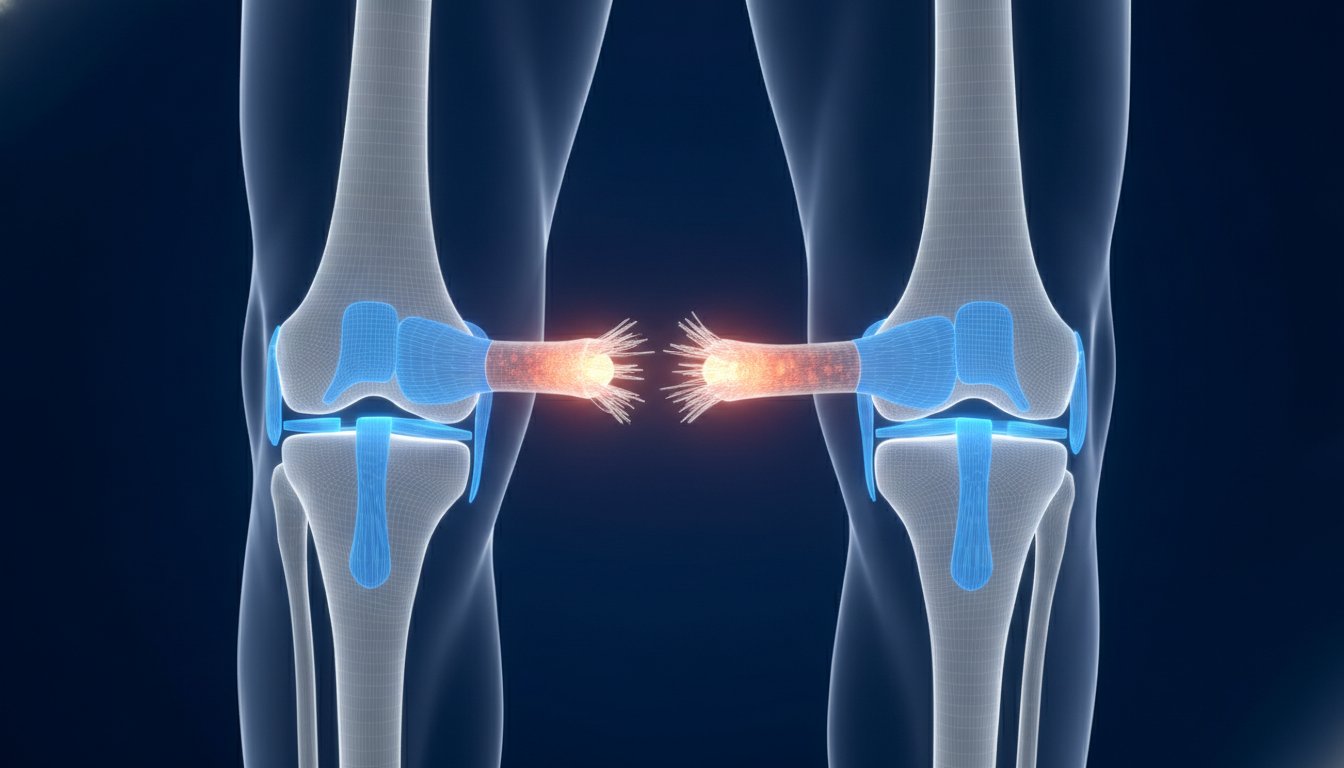
Imagine reaching for a coffee mug on a high shelf or trying to find a comfortable sleeping position, only to be met with a sharp, stabbing reminder that your shoulder is no longer your own. You’ve likely realized that the persistent ache of a torn tendon has begun to dictate your daily life, and the thought of a long, invasive surgical recovery feels just as daunting as the pain itself. For those seeking rotator cuff repair Nutley NJ, it’s important to understand that modern orthopaedic surgery has evolved far beyond the traditional open methods of the past. Clinical advancements now prioritize precision and minimal disruption to the surrounding tissue.
We agree that the uncertainty surrounding shoulder surgery often leads to unnecessary delays in care, which can worsen the underlying pathology. This guide promises to clarify exactly what you can expect, from the initial diagnostic imaging to the final stages of physical therapy. You’ll discover how minimally invasive arthroscopic techniques and modern biologic augmentation, used by over 85% of surgeons for full-thickness tears as of 2026, can facilitate a more efficient recovery. We will preview the entire process, including how specialized local expertise in Nutley helps you return to your sports and gym routines with confidence and clinical security.
Key Takeaways
- Understand the anatomical differences between partial and full-thickness tears and how these specific pathologies dictate your clinical treatment plan.
- Discover why advanced MRI imaging serves as the essential gold standard for accurately visualizing tendon damage and guiding surgical precision.
- Learn how modern rotator cuff repair Nutley NJ utilizes arthroscopic anchors to reattach tendons through small incisions, significantly reducing tissue disruption.
- Follow a structured postoperative timeline that balances initial joint protection with passive range-of-motion exercises to prevent complications like frozen shoulder.
- Identify critical professional standards for selecting a specialist, including board certification and advanced fellowship training in sports medicine and shoulder surgery.
What is a Rotator Cuff Tear and Why Does it Require Repair?
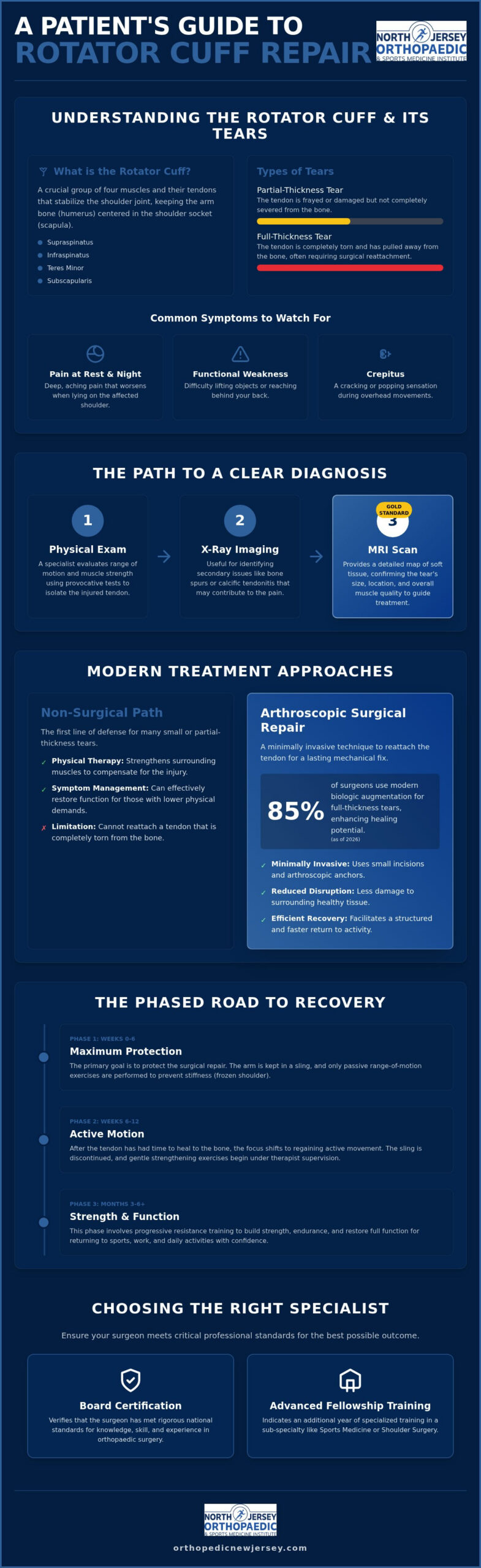
The shoulder is a complex ball-and-socket joint that relies on a specialized group of four muscles and tendons to maintain stability and facilitate movement. This structure, known as the rotator cuff, consists of the supraspinatus, infraspinatus, teres minor, and subscapularis. These components work in a precise, coordinated fashion to keep the head of the humerus centered within the shallow socket of the scapula. For a comprehensive overview of a rotator cuff tear, one must recognize that even a minor structural compromise can lead to significant functional impairment and chronic discomfort.
Orthopaedic specialists categorize these injuries based on the depth and severity of the tissue damage. A partial-thickness tear involves fraying or damage to the tendon that doesn’t fully sever it from the bone. In contrast, a full-thickness tear, or complete tear, signifies that the tendon has pulled away entirely. This distinction is vital for determining the necessity of rotator cuff repair Nutley NJ residents might require, as complete tears rarely heal without surgical intervention and can lead to muscle atrophy over time.
A rotator cuff tear is a disruption of the tendon-to-bone connection that often requires mechanical reattachment.
Common Symptoms Noticed by Nutley Patients
Patients in the Nutley area often present with a specific cluster of clinical symptoms that signal a potential tear. Identifying these early can prevent the progression from a manageable injury to a massive, retracted tear that’s harder to fix. Typical signs include:
- Deep, aching pain that intensifies at night, particularly when lying on the affected shoulder.
- Noticeable functional weakness that makes lifting simple objects or rotating the arm to reach behind the back difficult.
- Crepitus, which is a clinical term for the cracking or popping sensations felt during specific overhead movements.
Degenerative vs. Acute Tears
Tears generally fall into two categories: acute and degenerative. Acute tears occur suddenly, often from a fall on an outstretched arm or a heavy lifting incident. Degenerative tears are more common and result from the slow wearing down of tendon tissue over time. This is frequently seen in athletes or tradespeople in North Jersey who perform repetitive overhead motions. Because tendons naturally have a limited blood supply, they don’t easily repair themselves as we age. Seeking a specialist for rotator cuff repair Nutley NJ is critical because early diagnosis can stop a degenerative tear from expanding, preserving the integrity of the remaining healthy tissue and preventing long-term joint dysfunction.
Diagnosis and Treatment Pathways: Non-Surgical vs. Surgical Repair
Diagnostic clarity is the foundation of any successful recovery plan. A board-certified specialist begins with a comprehensive physical examination to evaluate your range of motion and specific muscle strength. We utilize clinical provocative tests, such as the Jobe test or the Hawkins-Kennedy maneuver, to isolate which of the four rotator cuff tendons is compromised. While X-rays are useful for identifying bone spurs or calcific tendonitis, Magnetic Resonance Imaging (MRI) is the gold standard for visualizing soft tissue pathology. An MRI provides a detailed map of the tear’s size and the overall quality of the muscle tissue. This data is essential when planning a rotator cuff repair surgery, as it helps determine if the tendon can be successfully reattached to the bone.
The Role of Physical Therapy in Nutley
For many patients with small or partial-thickness tears, conservative management is the first line of defense. Targeted physical therapy focuses on strengthening the surrounding deltoid and scapular stabilizers to compensate for the injured tendon. This approach can effectively manage symptoms and restore function for patients with lower physical demands. However, PT has clear limitations. If a tendon is completely detached from the bone, exercise alone cannot reattach it. We often integrate local Nutley physical therapy resources into a six to twelve week trial to monitor progress. Determining the right time for rotator cuff repair Nutley NJ requires a balanced look at how your body responds to these initial efforts. Success rates for these procedures generally range from 75% to 90%, though these outcomes are highly dependent on the size of the initial tear and your adherence to postoperative protocols.
When Surgery Becomes the Necessary Step
The shift toward surgical intervention often happens when persistent pain interferes with sleep or daily activities despite weeks of rehabilitation. A board-certified surgeon looks for specific indicators, such as the failure of corticosteroid injections or a lack of progress in physical therapy. We also consider the “wait and see” approach carefully. Delaying a necessary rotator cuff repair Nutley NJ can lead to permanent changes in the muscle, such as fatty infiltration. This occurs when the muscle tissue is replaced by fat, making the tendon less elastic and significantly harder to repair later. If you’ve reached a plateau in your recovery or suffered a sudden, acute full-thickness tear, consulting a shoulder pain specialist Nutley NJ allows for a precise evaluation of your surgical candidacy. We prioritize transparency, ensuring you understand exactly when the clinical benefits of surgery outweigh the risks of continued conservative care.
Minimally Invasive Arthroscopic Rotator Cuff Repair in Nutley, NJ
Modern surgical methodology has moved away from the large, disruptive incisions of the past. Today, rotator cuff repair Nutley NJ is primarily performed using advanced arthroscopic techniques. This minimally invasive approach utilizes an arthroscope, which is a specialized fiber-optic camera about the size of a pencil. It transmits high-definition images of the shoulder’s interior to a clinical monitor, allowing for a level of visualization that often exceeds what is possible during traditional open surgery. By working through small, “keyhole” portals, we can address complex pathology with extreme precision while significantly reducing trauma to the surrounding healthy tissue.
Board certification is a critical prerequisite for performing these high-precision procedures. A specialist with advanced training understands the nuances of tension-free fixation and the biological environment required for the tendon to knit back to the bone. The benefits of this approach for the patient are clear. Minimally invasive surgery results in less blood loss during the procedure, a lower risk of postoperative infection, and significantly reduced internal and external scarring. These factors collectively contribute to a more manageable early recovery phase and a faster transition into active rehabilitation.
Traditional Open Surgery vs. Modern Arthroscopy
Traditional open surgery was once the only option for a surgical repair of a torn tendon. It required a large incision that often necessitated detaching the deltoid muscle to reach the rotator cuff. Modern arthroscopy preserves the deltoid entirely. Instead of cutting through muscle fibers, we navigate between them. This preservation of the primary lifting muscle of the shoulder leads to lower postoperative pain levels and prevents the muscle weakness that was a common complication of older surgical methods. Open surgery is now rarely the first choice, reserved only for the most complex reconstructions or revision cases.
What Happens During the Procedure?
The procedure begins with debridement, where the surgeon uses specialized instruments to clear away frayed tissue, inflamed bursa, and any bone spurs that may be impinging on the tendon. Once the joint is prepared, the fixation process begins. We use suture anchors, which are tiny screws made of metal or bio-absorbable material, to secure the tendon back to its anatomical footprint on the humerus. This mechanical reattachment is the core goal of the arthroscopic rotator cuff repair NJ patients receive. While the technique shares some tools with labral work, rotator cuff repair is distinct because it focuses on re-establishing the connection between muscle and bone rather than stabilizing the cartilage rim of the socket. Every step is tailored to ensure the tendon is held under the optimal amount of tension to promote biological healing.
Rotator Cuff Surgery Recovery: A Weekly Timeline for Patients
Successful rehabilitation following a rotator cuff repair Nutley NJ is a methodical process that requires as much precision as the surgery itself. While modern arthroscopic techniques minimize external trauma, the internal biological healing of the tendon to the bone follows a strict physiological timeline. During the initial six weeks, the primary goal is protection. You will wear a specialized sling to prevent any active use of the shoulder muscles that could disrupt the delicate repair site. Clinical research indicates that the tendon-to-bone interface is at its most vulnerable during this early phase, making strict adherence to immobilization protocols essential for long-term success.
Between weeks one and six, your recovery transitions into the passive range of motion phase. This involves moving the joint without engaging the repaired muscles, typically through “pendulum” exercises or movements guided by a therapist. This stage is critical for preventing adhesive capsulitis, commonly known as frozen shoulder, while ensuring the mechanical anchors remain secure. By the third month, most patients progress to active-assisted and eventually active motion. This is where you begin to lift the arm using its own strength. Full biological incorporation of the tendon into the bone can take six months or longer, which is why high-impact activities and heavy lifting are restricted until the final milestones are met.
The First 48 Hours in Nutley
The immediate postoperative period focuses on effective pain management and swelling reduction. Most patients receive a regional nerve block during surgery, which provides significant numbness for the first 12 to 24 hours. Once this wears off, a multimodal pain protocol involving prescribed medications and consistent cryotherapy is used to maintain comfort. We recommend icing the shoulder for 20 minutes every hour while awake. Sleep positioning is often the biggest challenge for patients in North Jersey. Many find that sleeping in a reclined position, such as in a sturdy recliner or propped up with pillows in bed, reduces pressure on the joint and improves rest. You will typically visit the orthopedic surgeon Nutley NJ office within the first few days to inspect the portals and confirm the initial healing is on track.
Long-Term Milestones and Return to Sport
Patience is a non-negotiable requirement for a full recovery. Most patients can return to light desk work within one to two weeks, but driving is generally prohibited until you are out of the sling and no longer taking narcotic pain medication, usually around the six-week mark. Lifting groceries or performing light household chores typically becomes safe by month three. For athletes and gym enthusiasts, the return to sport is a graduated process that begins with specific strengthening exercises at week 12. A final clinical clearance for full-contact sports or heavy weightlifting usually occurs around the six-month mark after a thorough evaluation of muscle symmetry and functional strength. If you are ready to begin your journey toward a pain-free life, contact our clinical team to discuss your recovery options.
Choosing the Right Rotator Cuff Repair Surgeon in Nutley, NJ
Selecting a surgical specialist is perhaps the most critical decision in your recovery journey. For a procedure as technically demanding as rotator cuff repair Nutley NJ, patients must look beyond general orthopaedic experience. A surgeon’s background should ideally include board certification and specialized fellowship training in sports medicine. This additional year of intensive focus ensures the practitioner is well-versed in the latest arthroscopic techniques and the management of complex tendon pathology. The Orthopaedic & Sports Medicine Institute serves as a dedicated clinical resource for the Nutley, Bloomfield, and Clifton communities, providing high-level surgical care without the logistical burden of traveling into Manhattan or Jersey City for routine follow-ups.
A local practice offers distinct advantages during the postoperative phase. Because recovery requires frequent check-ins to monitor healing and adjust physical therapy protocols, having a specialist nearby reduces the stress of travel while you are in a sling. Our team prioritizes minimally invasive methodology, ensuring that residents of North Jersey have access to the same advanced technology found at major academic medical centers but within a patient-centered, community environment.
The Value of Board-Certified Expertise
Board certification signifies that a surgeon has met rigorous national standards for clinical knowledge and surgical skill; it acts as a benchmark for patient safety and predictable outcomes. When evaluating a specialist for rotator cuff repair Nutley NJ, consider their volume of shoulder procedures. Surgeons who perform these repairs frequently are often more adept at navigating the nuances of tissue quality and tension-free fixation. Choosing a board-certified expert ensures your care is grounded in established medical wisdom while utilizing modern, less disruptive alternatives to traditional open surgery. This expertise is vital for minimizing the risk of retearing and ensuring the long-term stability of the shoulder joint.
Next Steps: Scheduling Your Consultation
Preparing for your initial consultation is essential for a productive clinical evaluation. We recommend bringing any recent diagnostic imaging, such as X-rays or MRI discs, along with the formal radiologist reports. This allows the surgeon to review the anatomy of your tear in real-time. During your visit, ask specific questions about the surgeon’s preferred repair technique and their criteria for successful recovery. Understanding the details of the procedure helps align your expectations with the biological reality of tendon healing. If you are experiencing persistent shoulder weakness or pain that disrupts your sleep, taking the first step toward a professional diagnosis is vital. We invite you to Schedule your shoulder consultation in Nutley today to discuss your options for minimally invasive repair and a structured return to your active lifestyle.
Restore Your Shoulder Mobility and Quality of Life
Modern orthopaedic advancements have transformed shoulder surgery into a precise, minimally invasive process that prioritizes rapid recovery and long-term joint stability. By utilizing arthroscopic techniques, we can effectively address tendon pathology through small incisions, which significantly reduces postoperative discomfort and preserves the surrounding muscle tissue. A successful outcome depends on a clinical partnership between the patient, the surgeon, and the rehabilitation team, ensuring that every biological milestone of the healing process is met with professional guidance.
If you’re ready to address chronic pain and functional weakness, the first step is a comprehensive evaluation for rotator cuff repair Nutley NJ. Our board-certified orthopedic surgeons are specialists in minimally invasive arthroscopy, and we’ve been dedicated to serving the Nutley, Bloomfield, and Clifton communities for over 20 years. We’re here to provide the clinical expertise and local support you need to return to your gym routine or daily activities with confidence.
Schedule Your Shoulder Consultation at Our Nutley Office
You don’t have to accept shoulder pain as a permanent limitation. Modern surgical and rehabilitative options offer a clear path back to the active life you deserve.
Frequently Asked Questions
How long does rotator cuff surgery take in Nutley, NJ?
Rotator cuff surgery typically requires between 60 and 120 minutes to complete. The exact duration depends on the complexity of the tear and whether additional pathology, such as bone spurs or labral damage, needs to be addressed simultaneously. Most patients undergo this procedure in an outpatient setting, allowing them to return home the same day for recovery.
Can a rotator cuff tear heal without surgery?
Partial-thickness tears can often be managed without surgery through targeted rehabilitation, but full-thickness tears rarely heal biologically on their own. Conservative treatments like physical therapy and corticosteroid injections focus on symptom management and strengthening the surrounding muscles. If the tendon has completely detached from the humerus, surgical intervention is usually the only way to restore the mechanical connection.
What is the success rate of arthroscopic rotator cuff repair?
The clinical success rate for rotator cuff repair Nutley NJ ranges from 75% to 90% as of 2026. These outcomes are highly dependent on the initial size of the tear and the quality of the remaining tissue. Smaller tears have a significantly higher success rate than massive tears, which may have a higher risk of retearing during the first two years of recovery.
When can I return to work after shoulder surgery?
Most patients can return to sedentary desk work within one to two weeks after the procedure. If your job requires driving or manual labor, you’ll likely need to wait three to six months before returning to full duties. You must remain in a sling for approximately six weeks to protect the repair, which limits your ability to perform tasks requiring two hands.
Is rotator cuff repair covered by insurance in New Jersey?
Most major medical insurance providers in New Jersey cover rotator cuff repair when it’s deemed medically necessary. This usually requires documentation of a full-thickness tear on an MRI or a failure to improve after several weeks of conservative care. Patients should always verify their specific plan’s deductible and out-of-pocket requirements before scheduling their procedure.
What happens if I leave a torn rotator cuff untreated?
Leaving a tear untreated often leads to the progression of the injury and permanent muscle changes. Over time, the retracted tendon can cause the muscle to undergo fatty infiltration, where healthy tissue is replaced by fat. This makes a future rotator cuff repair Nutley NJ much more difficult to perform and significantly reduces the chances of a full functional recovery.
How do I find the best shoulder specialist near Bloomfield or Clifton?
You should prioritize surgeons who are board-certified and have completed advanced fellowship training in sports medicine or shoulder surgery. Finding a specialist near Bloomfield or Clifton ensures you have easy access to frequent postoperative follow-ups. A local expert who specializes in minimally invasive arthroscopy can provide the high-level care typically found at larger academic centers within a community setting.
Will I need physical therapy after my rotator cuff repair?
Physical therapy is a mandatory component of the recovery process to ensure the shoulder regains its range of motion and strength. You’ll start with passive exercises where a therapist moves your arm for you, followed by active-assisted movements. Skipping or rushing through this structured rehabilitation can lead to joint stiffness or a potential failure of the surgical repair.