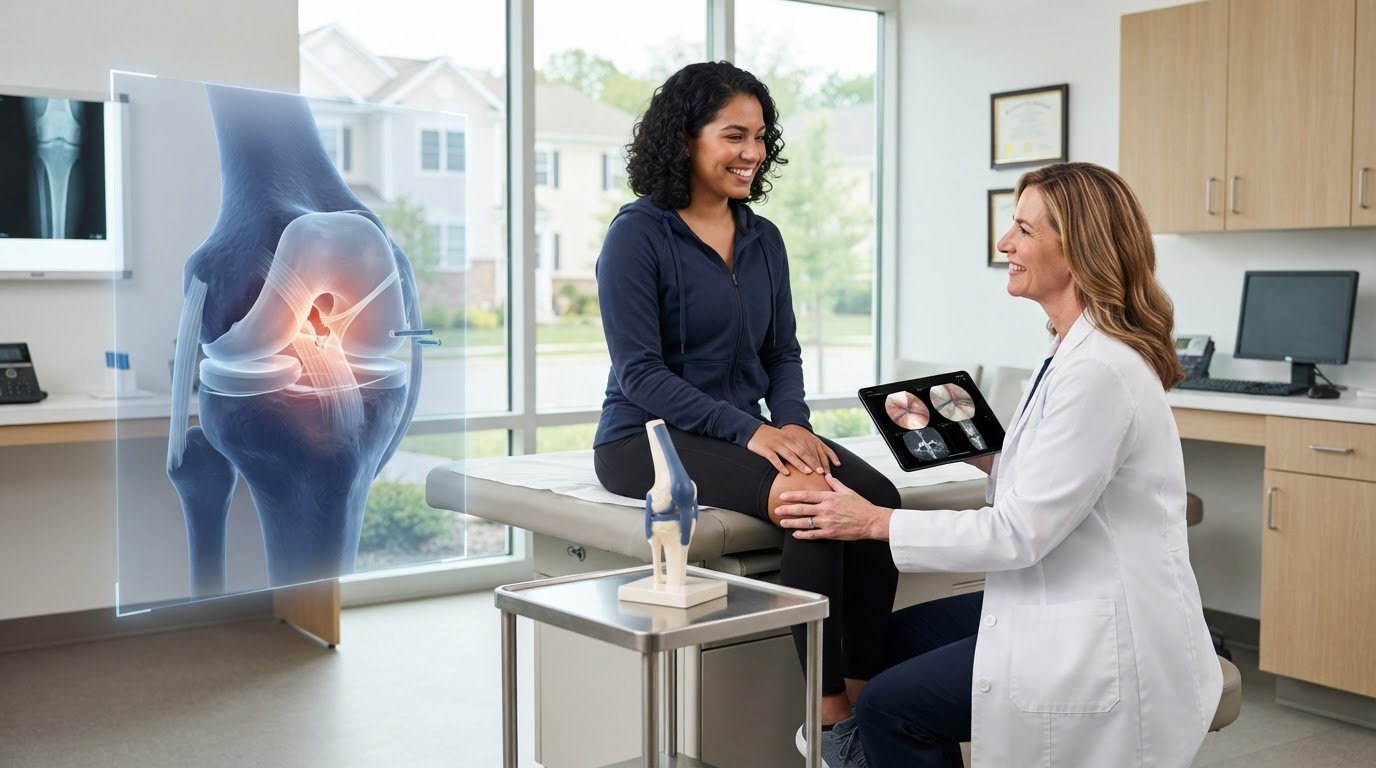
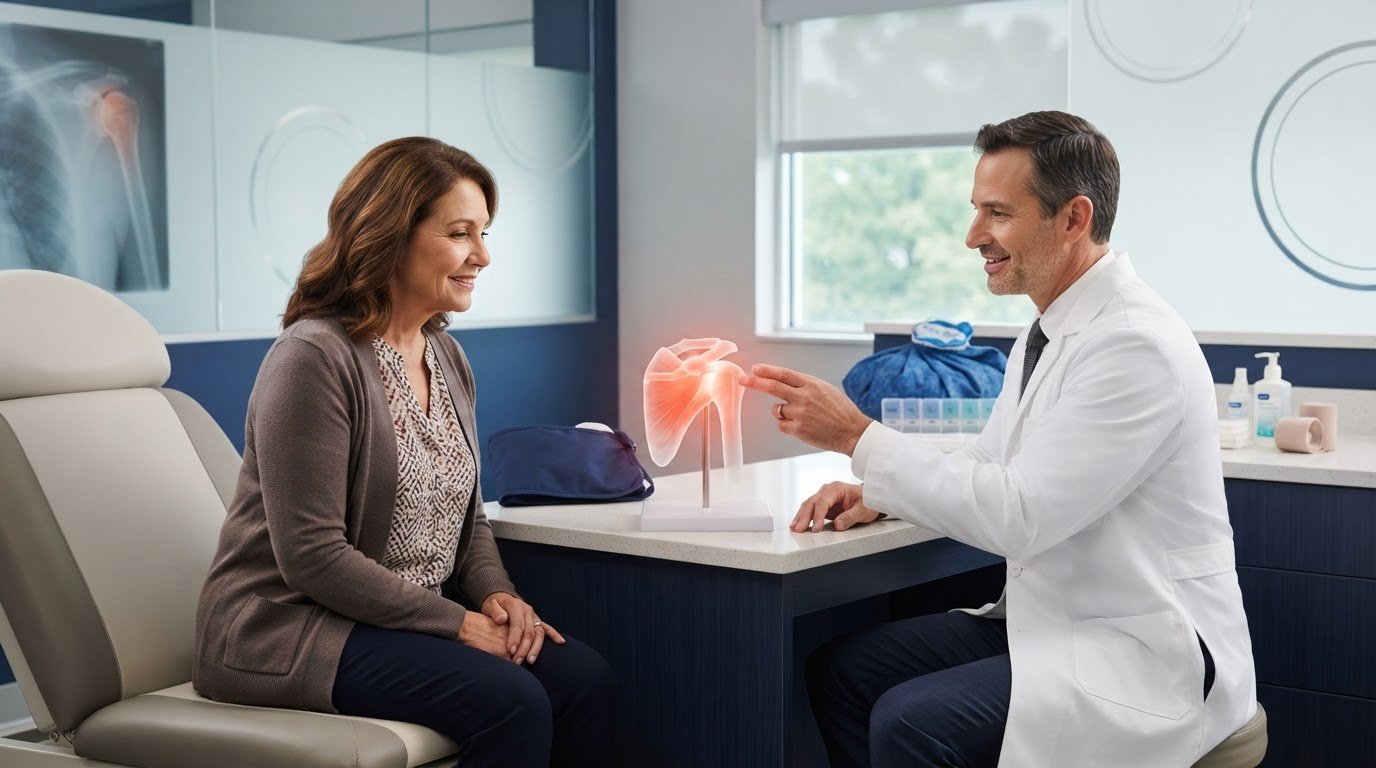
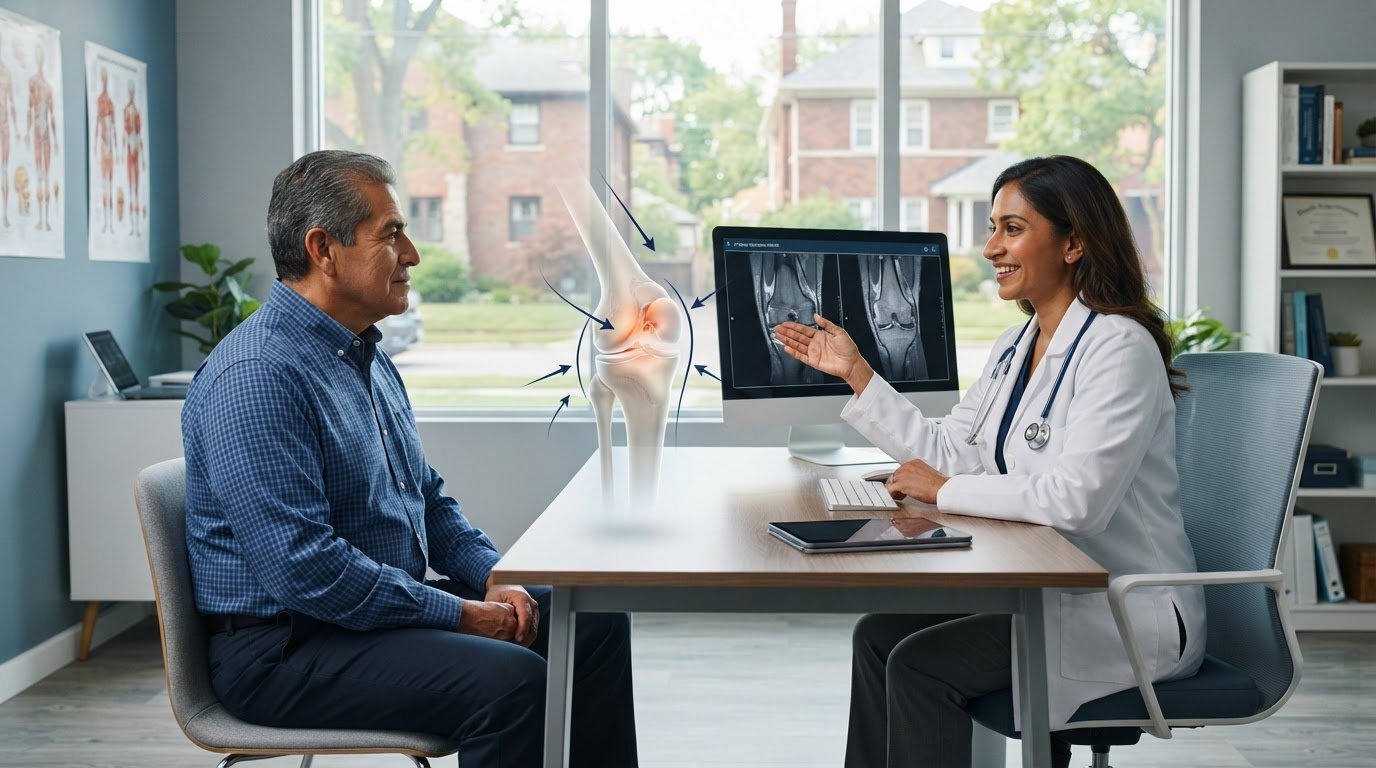
A “normal” MRI result often masks the true source of deep, aching joint pain, leaving many patients in a cycle of frustration and uncertainty. You’ve likely felt that sharp, catching sensation in your shoulder or hip, yet standard imaging fails to pinpoint the damage. Seeking a labral tear diagnosis in New Jersey shouldn’t feel like a series of dead ends or a search for an invisible problem. It’s natural to worry that this persistent discomfort could lead to permanent joint damage or unnecessary surgery if the root cause isn’t identified by a specialist who understands complex joint pathology.
I’ll guide you through the exact clinical process required to achieve an accurate diagnosis so you can finally secure a clear path toward recovery. We’ll examine the critical differences between standard MRI and MRA scans, the role of specialized provocation physical exams, and how board-certified experts correlate high-resolution imaging with your specific symptoms. This methodical approach ensures you move beyond vague results and toward a modern, evidence-based plan for pain-free movement.
Key Takeaways
- Distinguish between superficial muscle strains and the deep, “inside the joint” catching sensation that typically signals a tear in the stabilizing labrum.
- Discover why a definitive labral tear diagnosis in New Jersey requires a multi-pillar approach, including physical provocation testing to accurately reproduce your symptoms.
- Learn about the “false negative” limitations of standard 1.5T MRIs and why MRI Arthrography (MRA) remains the gold standard for detecting cartilage damage.
- Identify the specific pain behaviors and previous imaging records you need to organize to ensure a highly efficient consultation with a board-certified specialist.
- Gain a clear roadmap for transitioning from vague discomfort to a patient-centered treatment plan that prioritizes precise detection before considering surgical intervention.
Identifying Labral Tear Symptoms: Shoulder vs. Hip
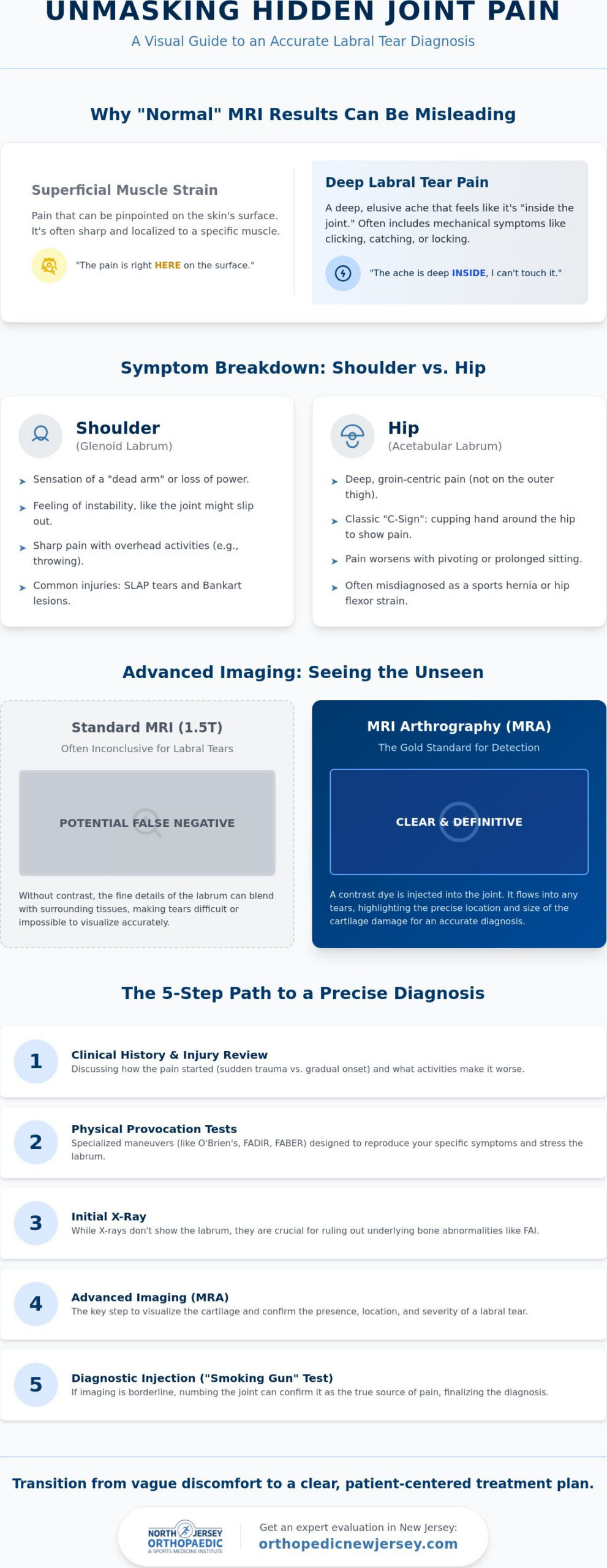
The labrum is a specialized ring of fibrocartilage that lines the rim of the socket in both the shoulder and hip joints. It functions much like a gasket, deepening the socket to ensure the “ball” of the joint remains centered and stable during complex movements. When this tissue is compromised, the primary challenge in securing a labral tear diagnosis in New Jersey is distinguishing its symptoms from more common, superficial ailments. Unlike a muscle strain that you can often pinpoint with your finger on the skin’s surface, labral pain feels deep and elusive. It’s frequently described as a mechanical ache that originates from within the joint itself, often accompanied by clicking, catching, or a sharp “locking” sensation.
The Shoulder Labrum (Glenoid)
In the shoulder, the labrum provides the necessary stability for an incredibly wide range of motion. Injuries here often fall into two primary categories: SLAP tears, which occur at the top of the socket where the biceps tendon attaches, and Bankart lesions, which usually follow a shoulder dislocation. Overhead athletes throughout North Jersey are particularly susceptible to Glenoid Labrum Tears due to repetitive, high-velocity throwing or hitting motions. Patients often report a “dead arm” sensation, where the limb feels heavy and loses its explosive overhead power. This is frequently coupled with a sense of “instability,” which is the unsettling feeling that the joint is loose or might slip out of place during routine activities. If you are experiencing a deep, localized ache or a catching sensation during overhead movements, reviewing the labral tear shoulder symptoms and non-surgical recovery options for NJ patients can help you understand whether arthroscopic labral tear surgery NJ is truly necessary before committing to a treatment path. Understanding your options for labral tear shoulder treatment early in the diagnostic process can help you make more informed decisions about your care pathway.
The Hip Labrum (Acetabular)
The hip labrum serves a similar stabilizing role but must withstand significantly higher weight-bearing loads. When a tear occurs, the pain is almost always groin-centric rather than focused on the outer thigh. It typically worsens during activities that involve pivoting, such as soccer or golf, or after sitting for extended periods in a car or at a desk. A classic indicator used during a labral tear diagnosis in New Jersey is the “C-sign.” This occurs when a patient cups their hand in a “C” shape over the side of their hip, with the thumb in the back and fingers in the groin, to describe the deep, wrapping nature of the pain. These injuries are often misidentified as sports hernias or persistent hip flexor strains. However, the presence of a “locking” sensation or a sharp click during rotation usually points toward a mechanical labral issue rather than a simple soft tissue strain.
The 5-Step Diagnostic Process for Labral Injuries
Securing a definitive labral tear diagnosis in New Jersey is a methodical journey that moves from your personal narrative to high-resolution visualization. It isn’t a single-step event; rather, it’s a clinical investigation designed to rule out common mimics and confirm the precise location of the cartilage damage. This structured approach ensures that your treatment plan addresses the root cause of the mechanical instability rather than just the surface-level inflammation.
The process begins with a comprehensive clinical history and injury mechanism review. We examine exactly how the pain started. Did it follow a traumatic fall on an outstretched hand, or was it a gradual onset from repetitive athletic pivoting? Understanding the “behavior” of your pain provides the first clues. Next, we move to physical provocation testing. These specialized maneuvers are designed to “reproduce” your specific discomfort by placing the joint in positions that stress the labrum. If these tests yield positive results, we proceed to an initial X-ray. While X-rays don’t show the labrum itself, they are vital for ruling out bone abnormalities like Femoroacetabular Impingement (FAI) or dysplasia, which are often the underlying anatomical causes of labral wear.
The final stages involve advanced imaging and, occasionally, a diagnostic injection. Standard MRIs can be inconclusive, so we often utilize MRI Arthrography (MRA) to better visualize cartilage defects. If imaging remains borderline, a diagnostic injection serves as the “smoking gun” test. By numbing the joint space, we can confirm if the joint is the true source of your pain.
Orthopedic Provocation Tests
During the physical exam, we utilize several evidence-based maneuvers. For the shoulder, O’Brien’s Test is a primary tool for assessing the integrity of the superior labrum. In the hip, we focus on FADIR (Flexion, Adduction, and Internal Rotation) and FABER (Flexion, Abduction, and External Rotation) tests to identify impingement. Because these maneuvers require subtle tactile feedback and precision, they should be performed by a board-certified orthopedic sports medicine specialist NJ who understands the nuances of joint mechanics. If you’re experiencing catching or locking, scheduling a comprehensive evaluation is the most direct way to gain clarity.
The Role of Diagnostic Injections
Diagnostic injections are a sophisticated tool for diagnosing a hip labral tear or complex shoulder injury. We introduce a local anesthetic, such as lidocaine, directly into the joint capsule under ultrasound or fluoroscopic guidance. If your deep-seated pain disappears temporarily during movement, we have confirmed the labrum as the culprit. This is particularly helpful in the hip, as it allows us to distinguish between intra-articular labral issues and referred pain from the lower back or sports hernias. According to Johns Hopkins Medicine, this step is often crucial when diagnosing a hip labral tear where imaging results are subtle but symptoms are debilitating.
Advanced Imaging: Why Standard MRIs Often Miss Labral Tears
One of the most frustrating experiences for a patient is being told their scan is “normal” while they remain in significant pain. Standard 1.5T MRI machines are excellent for visualizing large muscle groups or bone fractures, but they often lack the resolution required for a definitive labral tear diagnosis in New Jersey. The labrum is a thin, delicate structure. In a standard scan, the joint surfaces sit tightly together, which makes it nearly impossible to see small tears or fraying. This leads to the “false negative” problem, where a report indicates a healthy joint despite the patient’s clear mechanical symptoms.
To overcome this limitation, we utilize MRI Arthrography (MRA). This procedure involves a minimally invasive injection of gadolinium contrast dye directly into the joint space. The dye acts as a highlighting agent, expanding the joint capsule and “leaking” into any tears in the fibrocartilage. This makes the damage visible to the radiologist. Accuracy in Hip labral tear diagnosis depends heavily on this enhanced visualization, as it provides the high-contrast detail necessary to distinguish between a healthy labrum and a pathological one.
MRI vs. MRA: A Comparison
Standard MRIs are non-invasive and provide a good overview of the surrounding muscles and tendons. They’re often the first choice for general orthopedic screening. However, they’re poorly suited for identifying fine cartilage defects. In contrast, an MRA is slightly more invasive but offers superior detail for labral fraying. In some specialized cases, a high-Tesla (3T) MRI may provide enough clarity without the need for an injection, but the MRA remains the gold standard for precise surgical planning and labral tear diagnosis in New Jersey.
Identifying Secondary Bone Issues
We don’t evaluate the cartilage in isolation. During the diagnostic process, we also look for secondary bone abnormalities like Femoroacetabular Impingement (FAI). This condition involves bone spurs on the ball or socket that cause repetitive grinding against the labrum. If these bone issues aren’t addressed, any repair to the cartilage will likely fail over time. Understanding these complex interactions is essential, especially when determining if a patient requires labral stabilization or perhaps an arthroscopic rotator cuff repair NJ to address coexisting shoulder damage. The diagnostic chain is only as strong as the expertise of the musculoskeletal radiologist interpreting these advanced images.
How to Prepare for Your Consult in Nutley or Bloomfield
Preparation is the most critical factor in ensuring your consultation is productive and efficient. When seeking a labral tear diagnosis in New Jersey, your specialist needs more than just a verbal account of your discomfort. You should arrive with a clear record of your symptoms and a complete history of any previous diagnostic efforts. This allows the physician to correlate your physical sensations with clinical findings without unnecessary delay. A well-prepared patient often moves through the diagnostic pipeline faster, reaching a treatment decision sooner.
Don’t assume that local imaging centers have automatically shared your files with your surgeon’s office. You must gather physical CDs and printed reports from any prior X-rays or MRIs. Additionally, document the specific “behavior” of your pain. Note whether your shoulder catches when reaching for a seatbelt or if your hip pops when you step out of a car. These mechanical clues are often more telling than a static image. For the physical exam, wear loose-fitting clothing, such as a tank top or athletic shorts, to allow the specialist to perform a full range-of-motion assessment and provocation testing without restriction.
Insurance providers in New Jersey frequently require documentation of failed conservative treatments before they will approve advanced imaging or surgical intervention. Prepare a concise list of any physical therapy sessions, corticosteroid injections, or NSAID regimens you’ve already completed. This history helps your surgeon build a solid clinical case for the next level of care. If you are ready to move toward a definitive answer, request a specialized consultation at our Nutley location to begin your recovery journey.
Questions to Ask Your Surgeon
During your visit, it’s vital to gain clarity on the nature of your injury. You should ask whether the tear is considered stable or unstable, as this significantly impacts the urgency of treatment. Inquire if there is underlying bone impingement, such as FAI, that might have caused the tear. Finally, always ask what non-surgical options remain viable before you consider arthroscopy. Understanding these factors ensures you are a partner in your own care plan.
Local Logistics for North Jersey Patients
Navigating a labral tear diagnosis in New Jersey also involves coordinating post-diagnostic care. We frequently work with local physical therapists in Clifton and Belleville to ensure a seamless transition from diagnosis to rehabilitation. Be aware that many NJ insurance plans require specific prior authorizations for MRA scans, which our administrative team can help navigate. Choosing a local specialist in Nutley or Bloomfield simplifies the follow-up process, making it easier to manage appointments and imaging without long commutes during your recovery.
Expert Labral Diagnosis at The Orthopaedic & Sports Medicine Institute
At The Orthopaedic & Sports Medicine Institute, we recognize that a labral tear diagnosis in New Jersey is the essential foundation of your recovery, not just a line item on a medical report. Our board-certified specialists in Nutley, NJ, focus specifically on sports-related cartilage injuries, providing a level of expertise that bridges the gap between general orthopedics and high-level sports medicine. We serve the active communities of Nutley, Bloomfield, and Clifton, ensuring that local athletes and residents have access to advanced diagnostic protocols without traveling to major metropolitan hubs. Our approach is fundamentally patient-centered, meaning we prioritize a definitive and accurate diagnosis before recommending any surgical intervention.
We utilize minimally invasive diagnostic and treatment techniques to minimize disruption to your life. This commitment to modern methodology ensures that every patient receives a thorough evaluation using the latest evidence-based standards. By focusing on precision from the very first consultation, we help you avoid the frustration of inconclusive results and the risks associated with unnecessary procedures. Our team remains dedicated to transparency, ensuring you understand every step of the diagnostic chain from the initial physical exam to the final imaging review.
Our Diagnostic Philosophy
We’ve seen many patients arrive with imaging reports that don’t match their physical reality. Our philosophy is simple: we treat the patient, not just the MRI report. Clinical correlation is at the heart of what we do. We meticulously compare your physical symptoms and provocation test results with the findings from advanced imaging. This rigorous process prevents over-diagnosis and ensures that any treatment plan is specifically tailored to your unique activity level and recovery goals. Whether you’re a competitive athlete or someone looking to return to daily walks, your recovery plan is personalized to your functional needs.
Next Steps After Diagnosis
Once we’ve secured an accurate labral tear diagnosis in New Jersey, we explore the full spectrum of care. This often begins with conservative management, such as specialized physical therapy or targeted injections. If these methods don’t provide sufficient relief, we transition to minimally invasive repair options designed to preserve as much of your natural anatomy as possible. For shoulder injuries specifically, exploring your options for labral tear shoulder treatment with a board-certified specialist ensures you understand every surgical and non-surgical pathway available before making a decision. Many patients also benefit from first reviewing a structured non-surgical recovery checklist for arthroscopic labral tear surgery NJ candidates to determine whether conservative care can resolve their symptoms before committing to an operation. In complex cases involving multiple injuries, we also offer advanced solutions like the BEAR implant ACL repair New Jersey to ensure comprehensive joint healing. Taking the next step toward a pain-free life begins with a professional evaluation. You can schedule your consultation at our Nutley office to gain the clarity you need for a successful recovery.
Take the First Step Toward Lasting Joint Recovery
Securing a precise labral tear diagnosis in New Jersey is the essential transition from living with chronic discomfort to executing a targeted recovery plan. We’ve explored how identifying deep, mechanical pain and utilizing advanced MRI Arthrography (MRA) provides the clarity that standard imaging often misses. By combining specialized provocation tests with high-resolution visualization, you can move beyond “normal” results and address the underlying anatomical causes of your instability, such as impingement or cartilage fraying.
Our practice brings together the expertise of a board-certified orthopedic surgeon and a specialist in minimally invasive techniques who has been serving North Jersey for over a decade. We prioritize a methodical, patient-centered approach that ensures every clinical decision is backed by accurate data and personalized needs. Don’t let vague joint pain dictate your activity level any longer. Schedule Your Diagnostic Consultation in Nutley Today and begin your journey back to pain-free movement. Your path to a stronger, more stable joint starts with a definitive answer from a trusted local expert.
Frequently Asked Questions
Can a labral tear be diagnosed without an MRI?
A clinical diagnosis is often established through a physical exam and medical history before imaging is even performed. Specialists use provocation maneuvers to reproduce mechanical symptoms like clicking or catching. While these tests are highly suggestive, imaging remains the standard for confirming the tear’s location and severity. This ensures the treatment plan is based on both functional and structural evidence.
Why did my first MRI not show a labral tear?
Standard 1.5T MRIs often lack the resolution or joint distension needed to reveal small cartilage defects. When the joint surfaces are tightly packed, a tear can easily be missed by the scanner. This is why an MRA, which uses contrast dye to highlight the tear, is the preferred method for an accurate labral tear diagnosis in New Jersey.
Is an arthrogram painful?
An arthrogram involves a minor needle stick, similar to a routine vaccination or blood draw. We use a local anesthetic to numb the area before the contrast agent is injected under fluoroscopic guidance. You might feel a temporary sensation of fullness or pressure within the joint, but this usually dissipates within 24 hours as the body absorbs the dye.
How long does it take to get a definitive labral tear diagnosis?
The diagnostic journey generally takes between seven and fourteen days. This window includes the initial orthopedic evaluation, the time required for an imaging center to perform an MRA, and the subsequent review of the results. Your specialist will then synthesize this data to provide a clear explanation of the findings and discuss the most appropriate next steps for your recovery.
What happens if a labral tear is left undiagnosed?
Leaving a labral tear unaddressed often results in chronic joint instability and the degradation of the articular cartilage. This persistent friction can lead to the early onset of osteoarthritis, significantly limiting your future mobility. Accurate detection allows for early intervention, which is critical for preserving the native joint and avoiding the need for more complex surgical reconstructions later in life.
Can physical therapy help diagnose a labral tear?
Physical therapy is often used as a diagnostic “stress test” to see how the joint responds to controlled movement. If symptoms like deep-seated pain or locking don’t improve with targeted strengthening, it increases the clinical suspicion of a mechanical labral injury. This information is a valuable part of the diagnostic process, helping to distinguish between muscle imbalances and true structural damage.
Do I need a referral to see a labral tear specialist in NJ?
Whether you need a referral depends entirely on your insurance plan’s specific requirements for specialty care. Many PPO plans allow for direct access to our board-certified surgeons, while HMO plans usually require a primary care physician’s authorization. We recommend contacting your member services department to confirm your benefits before seeking a labral tear diagnosis in New Jersey at our Nutley office.
What is the “C-sign” in hip labral tear diagnosis?
The “C-sign” is a characteristic hand gesture patients use to describe deep hip pain. By placing their hand in a “C” shape over the side of the hip, they indicate that the pain is neither purely in the front nor the back, but deep within the socket. This specific description is a highly reliable indicator of labral pathology during a physical examination.