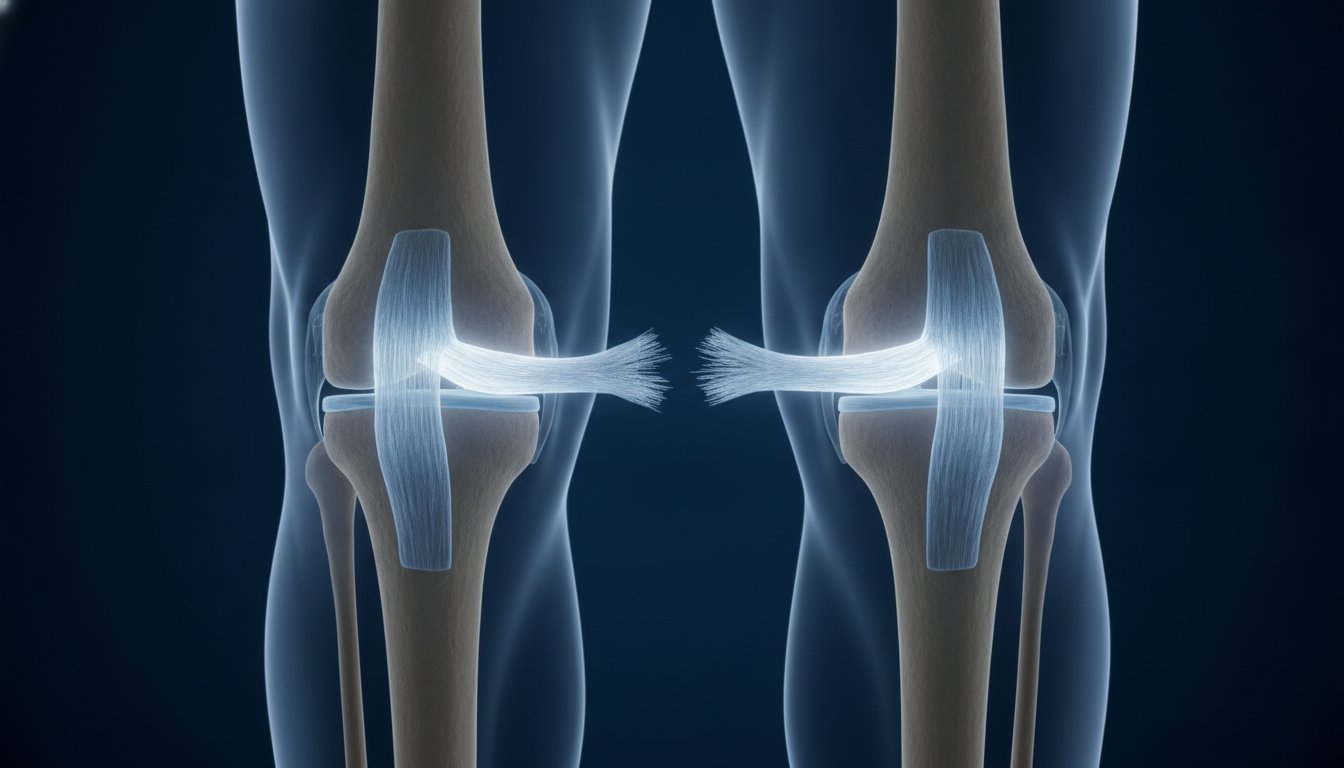
The most effective way to restore your knee after a tear might not involve a graft at all. Choosing a bridge-enhanced repair represents a bold shift in orthopaedics, moving toward the biological preservation of your native ligament. It is natural to feel some anxiety about the BEAR implant ACL recovery process, especially when navigating early weight-bearing restrictions or the fear of a re-rupture. You deserve the security of knowing your treatment choice is backed by clinical evidence, such as the January 2026 FDA label update confirming a significantly lower risk of post-traumatic osteoarthritis compared to traditional methods.
We’ve designed this guide to provide a clear, month-by-month roadmap for your recovery journey. You’ll learn exactly how the collagen-based implant facilitates natural healing and what milestones you must meet in physical therapy to return safely to activities like skiing or soccer. By following this expert-led timeline, you can replace confusion with a structured plan for long-term joint health. We’ll walk you through the critical phases of protection, strengthening, and functional movement to ensure your native ACL heals as effectively as possible.
Key Takeaways
- Understand how the bovine collagen implant acts as a biological bridge, allowing your body to heal its native ACL instead of replacing it with a graft.
- Navigate the critical first six weeks of BEAR implant ACL recovery, focusing on strict bracing and protected weight-bearing to ensure proper ligament maturation.
- Identify the clinical milestones for months 3 through 9, including the transition to a normal gait and the eventual introduction of high-impact agility training.
- Learn why this restorative approach eliminates donor site pain and offers a statistically significant reduction in the risk of post-traumatic osteoarthritis.
- Discover the importance of a specialized physical therapy protocol and the role of your board-certified surgeon in monitoring the biological healing process.
The Biology of BEAR: How Native ACL Healing Differs
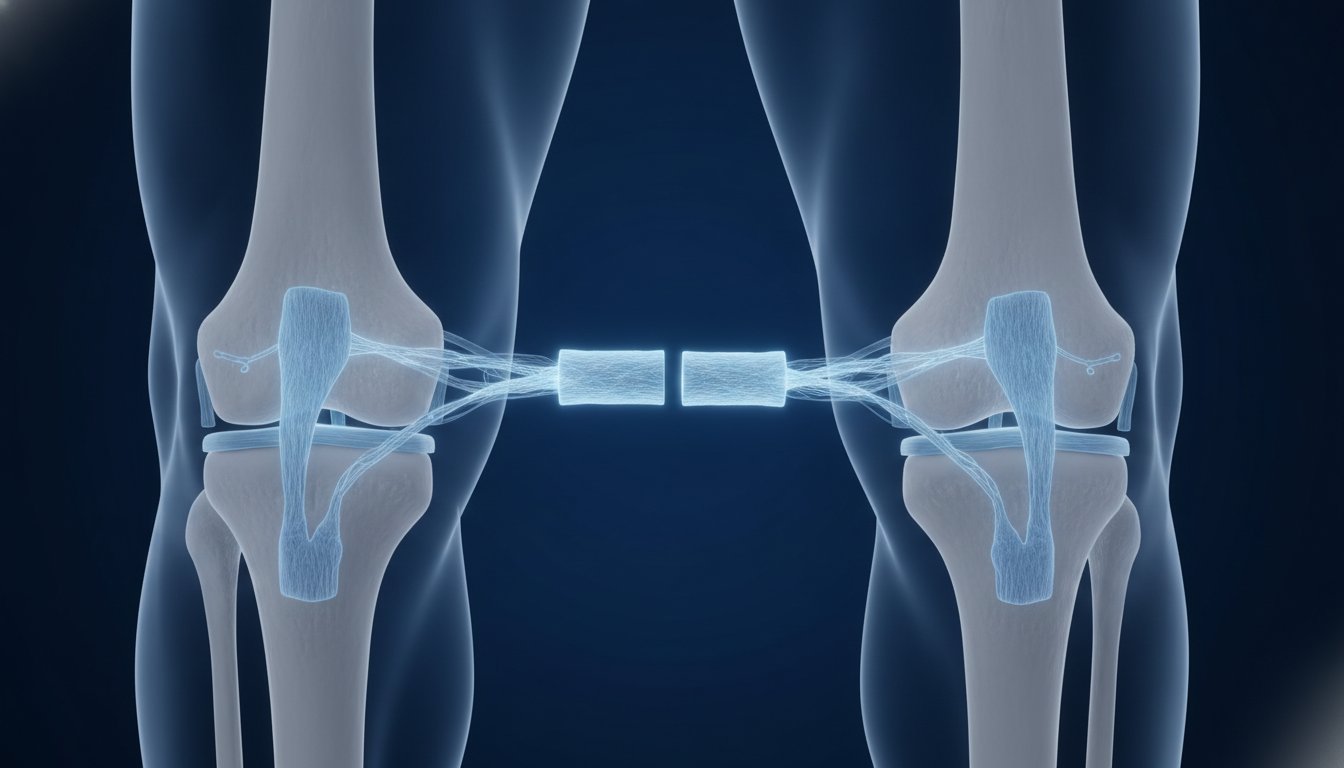
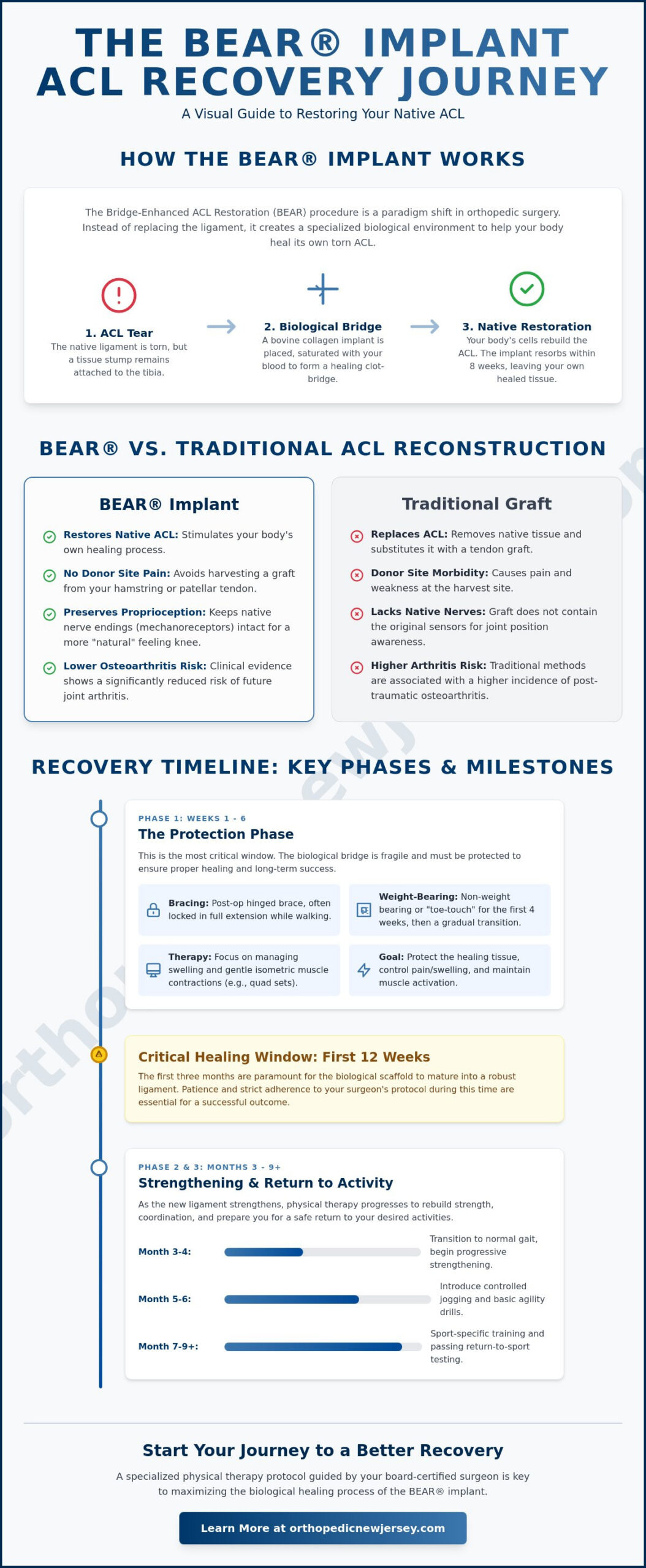
Traditional ACL surgery treats the ligament as a replaceable part, often substituting it with a tendon from your own hamstring or a donor. The Bridge-Enhanced ACL Restoration (BEAR) approach shifts this paradigm by treating the native ligament as a repairable biological structure. This technique utilizes a specialized bovine collagen implant that acts as a physical bridge between the torn ends of the ACL. Unlike a standard reconstruction, the surgeon doesn’t remove your original tissue. Instead, they saturate the implant with your own blood to stabilize a healing clot. This provides a fertile environment for your own cells to migrate and begin the repair process. This biological approach is the foundation of a successful BEAR implant ACL recovery. If you’re new to this procedure and want to understand what is BEAR implant surgery and how it differs from conventional methods, a dedicated overview can help clarify the core principles before diving into the recovery timeline.
The success of this restoration depends on the quality of the ACL tissue remaining after the injury. A patient must have an ACL stump attached to the tibia to construct the repair. During the procedure, the surgeon secures the implant between the two ends of the torn ligament. As your body’s natural healing response kicks in, the collagen scaffold facilitates the growth of new tissue. This process differs fundamentally from the inflammatory response triggered by a graft, which must undergo a period of “ligamentization” where the body slowly converts the tendon into a ligament-like structure. By keeping the native tissue, you preserve the anatomical footprint of the original ligament.
Native Tissue vs. Donor Grafts
Preserving native tissue keeps mechanoreceptors intact. These sensors are vital for proprioception, allowing your brain to track knee movement and position without visual input. Grafts lack these native nerve endings, which is why reconstructed knees often feel less “natural” during sports. The BEAR implant resorbs within eight weeks, leaving only your functional tissue. This avoids the morbidity of donor site harvesting from your hamstring or patellar tendon.
The Role of the Bridge in Early Recovery
Within 48 hours, the implant creates a “clot-bridge” connecting the torn ligament ends. This bridge is fragile, necessitating the strict movement protocols of early BEAR implant ACL recovery. The first 12 weeks are a critical window for this biological scaffolding to mature. The BEAR implant is an FDA-approved resorbal scaffold. Protecting this bridge ensures long-term stability and a significant reduction in future arthritis risk, including a 27.7% absolute reduction in 6-year post-traumatic osteoarthritis.
Phase 1 Recovery: Weeks 1-6 (The Protection Phase)
The first six weeks following your procedure are the most critical for ensuring the long-term success of the biological repair. During this window, the collagen scaffold is at its most vulnerable as it transforms into functional tissue. Unlike a traditional reconstruction where a sturdy graft provides immediate mechanical tension, BEAR implant ACL recovery relies on the maturation of a delicate blood clot. You’ll spend much of this time in a post-operative hinged brace, which is frequently locked in full extension during ambulation to prevent any shearing forces from disrupting the healing bridge.
Managing post-operative swelling and pain is a primary focus for patients in the Nutley and Clifton area during these initial weeks. Persistent swelling can lead to arthrogenic muscle inhibition, essentially “shutting down” the quadriceps. Early physical therapy sessions focus on gentle isometric contractions to maintain muscle mind-body connection without stressing the repair. This methodical approach ensures that when you’re ready to move, your muscles are capable of supporting the joint. Cleveland Clinic’s analysis of the BEAR procedure confirms that this early protection phase is the “missing link” in achieving superior outcomes compared to older repair techniques.
Weight-Bearing Milestones
Patience is the defining characteristic of the first month. Most protocols require patients to remain non-weight bearing or limited to “toe-touch” weight-bearing with crutches for the first four weeks. Rushing this process can cause the maturing ligament to stretch or fail. By week five or six, you’ll typically begin a gradual transition to partial weight-bearing. Using a hinged knee brace is mandatory during this time to provide lateral stability and prevent accidental twisting.
Range of Motion (ROM) Goals
Restoring motion is a secondary goal that must be balanced against ligament protection. During weeks one and two, knee flexion is usually restricted to 45 degrees. By weeks three and four, this limit often increases to 90 degrees. Your therapist will utilize passive range of motion, where the leg is moved for you, to prevent the buildup of restrictive scar tissue. This careful titration of movement allows the native tissue to heal in a way that maintains the proper length and tension of the ligament.
If you have questions about your specific surgical plan, speaking with a board-certified orthopaedic surgeon can provide the clarity needed to navigate these early restrictions with confidence.
Phase 2 & 3: Months 3-9 (Strengthening and Impact)
Entering the third month marks a significant psychological shift for most patients. By this stage, the biological scaffold has been resorbed and replaced by your own native tissue. The focus of BEAR implant ACL recovery moves from strict protection to functional loading. At the 12-week mark, most patients transition out of the hinged brace and begin reclaiming a normal, fluid gait. This period requires a disciplined approach to physical therapy to ensure the new ligament isn’t overloaded before it’s fully matured.
Months 4 through 6 are often called the “Quiet Phase.” While your knee may feel stable and pain-free, the internal tissue is still undergoing significant remodeling. It’s a deceptive time for athletes. The ligament appears healthy on an MRI, yet its tensile strength is still developing. We lead patients through a methodical progression to prevent the common pitfall of returning to high-intensity activities too soon. This phase is about building the capacity for future impact without causing setbacks.
Building the Functional Foundation
Strengthening the posterior chain, specifically the glutes and hamstrings, is vital for protecting the healing ACL. These muscles act as secondary stabilizers; they reduce the anterior shear force on the knee joint. Because this is a minimally invasive orthopaedic surgery, you’ll likely experience less muscle atrophy compared to traditional graft harvests. This allows for a more efficient transition into proprioception training. We focus on re-training the brain-knee connection, utilizing the native nerve endings that were preserved during the repair.
Preparing for Impact
Introducing impact requires meeting specific clinical criteria. We typically look for a Limb Symmetry Index (LSI) of at least 70% to 80% in quadriceps strength before clearing a patient for straight-line running. At 6 months, the repair is undergoing “remodeling” and requires gradual loading. Once running is established, we transition into deceleration training. Learning how to absorb force during landing is just as important as the ability to sprint. By month 9, you’ll begin advanced plyometrics and sport-specific drills, such as soccer-style cutting or skiing-simulated movements, to prepare for a full return to play.
BEAR vs. Traditional ACL Reconstruction Recovery
When comparing surgical options, patients often focus on how quickly they can return to their daily routines. Traditional ACL reconstruction typically allows for earlier weight-bearing because the graft provides immediate, though artificial, mechanical stability. Conversely, BEAR implant ACL recovery follows a more conservative trajectory during the first four weeks. This slower start is a calculated trade-off. We prioritize the biological maturation of your native tissue over immediate mobility. While a reconstruction patient might be off crutches sooner, the BEAR patient is investing in the long-term health and proprioceptive function of their original ligament.
The primary objection to the BEAR procedure is usually this initial period of restriction. It’s helpful to view this as a front-loaded investment. By protecting the “clot-bridge” early on, you’re avoiding the systemic trauma associated with graft harvesting. Clinical data supports this patient-first approach. According to the FDA label update granted on January 14, 2026, the BEAR implant demonstrates a statistically significant absolute reduction in six-year post-traumatic osteoarthritis of 27.7% compared to traditional reconstruction. For a detailed clinical breakdown of how these two approaches compare across all recovery stages, reviewing a comprehensive BEAR implant vs ACL reconstruction analysis can help you weigh the long-term implications of each surgical path. For many, a few extra weeks on crutches is a small price to pay for a 27.7% lower risk of long-term joint degradation.
The “Graft Site” Difference
One of the most significant advantages of the BEAR procedure is the elimination of the “second injury.” In traditional surgery, the surgeon must harvest a healthy tendon from your hamstring or patellar ligament to create a new ACL. This often leads to long-term kneeling pain or permanent hamstring weakness. By choosing BEAR® Implant ACL Repair in New Jersey: The New Standard for Native Ligament Healing, you avoid these donor-site complications entirely. This results in a cleaner recovery profile with fewer secondary pain points to manage during physical therapy.
The 9-Month Milestone
While the first month of BEAR implant ACL recovery is more restrictive, the timelines for both procedures usually converge around the nine-month mark. At this stage, both groups are typically undergoing rigorous “Return to Play” (RTP) testing. BEAR patients frequently report that their knee feels more “natural” during these drills. This is likely due to the preservation of the native mechanoreceptors discussed in previous sections. By the time you reach the one-year mark, the initial delay is often forgotten, replaced by the confidence of having a restored, native ligament rather than a substitute graft.
If you are trying to decide which surgical path aligns with your long-term athletic goals, you should consult with a specialist to review your MRI and discuss your eligibility for restoration.
Maximizing Your Recovery in North Jersey
The journey through BEAR implant ACL recovery is a collaborative effort between your surgical team and your local rehabilitation specialists. Success doesn’t end when you leave the operating room; it’s heavily dependent on the quality of your post-operative care within your own community. It’s essential to select a physical therapist in Nutley or Bloomfield who’s specifically trained in the BEAR protocol. Because this restorative technique is different from traditional reconstruction, your therapist must understand the unique weight-bearing and range-of-motion restrictions that protect the healing native tissue.
Your board-certified surgeon remains the primary architect of your recovery, monitoring the biological maturation of the ligament through follow-up imaging and strength testing in Clifton or Belleville. These clinical check-ins ensure that the “clot-bridge” is transforming into a robust, functional ligament as expected. Once you’ve progressed to the mid-stage of recovery and have been cleared for increased activity, local landmarks like Brookdale Park provide ideal settings for low-impact walking. Utilizing these flat, paved paths allows you to rebuild endurance and gait symmetry in a controlled, local environment.
The Importance of Protocol Adherence
Adhering to the specific BEAR timeline isn’t just a recommendation; it’s a requirement for biological success. Following the month-by-month guide ensures that you don’t introduce mechanical stress before the native tissue is ready to absorb it. You should maintain open communication with your local New Jersey physical therapist about your specific limits, especially regarding the transition out of the brace. You should contact your surgeon immediately if you experience red flags such as excessive swelling that doesn’t respond to ice, a sudden loss of range of motion, or signs of infection like fever or redness at the incision site.
Your Path Back to North Jersey Sports
Whether you’re a high school athlete in Nutley, a recreational soccer player in Montclair, or a dedicated skier, your rehab plan should be tailored to your specific sport. The Orthopaedic & Sports Medicine Institute’s approach to personalized rehab focuses on the unique demands of your activity level. We emphasize the preservation of your native proprioception to help you regain the “natural feel” of your knee during complex movements. This specialized focus is what allows our patients to return to the field or the slopes with confidence in their joint’s long-term stability.
Ready to discuss your ACL options? Schedule a consultation in Nutley today to see if bridge-enhanced restoration is the right choice for your active lifestyle.
Taking the First Step Toward Biological ACL Restoration
Choosing to restore your knee rather than reconstruct it is a decision that prioritizes long-term joint health and natural movement. By following a structured, month-by-month timeline, you ensure that your native tissue has the specific environment it needs to thrive. The BEAR implant ACL recovery process requires disciplined patience during the early protection phase, yet this commitment pays dividends in the form of preserved proprioception and a lower risk of future joint degradation. You aren’t just repairing a ligament; you’re maintaining the biological integrity of your knee for years to come.
As one of the few practices in the Nutley and Clifton area offering this advanced procedure, we provide comprehensive sports medicine care tailored to the needs of North Jersey athletes. Our board-certified orthopedic surgeon specializes in minimally invasive techniques designed to get you back to the activities you love without the complications of traditional graft harvesting. We’re here to guide you through every clinical milestone of your recovery journey with professional expertise and patient-centered care.
Request an ACL Consultation at our Nutley, NJ Office to discuss your eligibility for this innovative restoration. Your path back to peak performance starts with a personalized plan built on the latest surgical advancements. We look forward to helping you reclaim your active lifestyle.
Frequently Asked Questions
Is BEAR implant recovery more painful than traditional ACL surgery?
Post-operative pain is generally lower with the BEAR procedure because it eliminates the need for a graft harvest. Traditional surgeries require a second surgical site to take a tendon from your hamstring or patellar ligament, which creates additional trauma. Since this is a minimally invasive orthopaedic surgery that preserves your native tissue, you avoid donor-site morbidity and the associated long-term kneeling pain or muscle weakness.
How long do I have to use crutches after BEAR implant surgery?
Most patients use crutches for approximately four weeks following the procedure. During this initial phase of BEAR implant ACL recovery, you’ll likely be restricted to non-weight bearing or toe-touch weight-bearing status to protect the maturing biological bridge. This conservative start is necessary to allow the collagen scaffold to stabilize and begin transforming into functional ligament tissue without being disrupted by early loading.
Can I drive after a BEAR implant procedure?
You can typically return to driving once you’re off all narcotic pain medications and have regained sufficient muscle control to operate the vehicle safely. If the surgery was on your left leg and you drive an automatic vehicle, you might return to the road within two weeks. If the procedure involved your right leg, it often takes six weeks or longer until you can safely perform emergency braking maneuvers.
When can I return to sports like soccer or basketball after a BEAR repair?
Return to high-impact sports like soccer or basketball usually occurs around the nine-month mark. While the early phases of recovery are more restrictive, the timelines for BEAR and traditional reconstruction usually converge in the later stages. Your surgeon will use specific strength tests and functional agility drills to ensure your native ligament is fully remodeled before clearing you for competitive play.
What happens if the BEAR implant fails during recovery?
If a BEAR repair fails to heal properly, traditional ACL reconstruction remains a viable secondary option. Because the BEAR procedure doesn’t involve harvesting a graft, your hamstring and patellar tendons remain intact for future use if needed. This makes the restoration a low-risk primary approach that doesn’t limit your surgical choices or “burn any bridges” for future interventions.
Is physical therapy different for BEAR compared to standard ACL reconstruction?
Physical therapy for BEAR patients follows a specialized protocol that is significantly more restrictive during the first six weeks. Unlike standard reconstruction, where the graft provides immediate mechanical tension, PT for BEAR focuses on protecting the healing blood clot within the scaffold. Your therapist will follow strict range-of-motion limits, typically starting at 45 degrees of flexion and gradually increasing to 90 degrees by the end of the first month.
Does insurance cover the BEAR implant and its associated recovery in NJ?
Most major insurance providers in New Jersey cover the BEAR implant and the associated rehabilitation costs. Since the device is FDA-cleared and has demonstrated a statistically significant reduction in the risk of post-traumatic osteoarthritis, it’s recognized as a medically necessary alternative to reconstruction. Our office can help you verify your specific benefits and coordinate your BEAR implant ACL recovery plan with your provider.
How do I know if I am a candidate for BEAR rather than a traditional graft?
Eligibility is primarily determined by the quality of your remaining ACL tissue and the location of the tear. A patient must have a viable ACL stump attached to the tibia to serve as the foundation for the bridge-enhanced repair. A board-certified surgeon will review your MRI and perform a clinical exam to confirm that your tissue quality is sufficient for a successful restoration rather than a replacement. For a thorough explanation of the procedure’s candidacy criteria and surgical principles, reviewing a complete guide on what is BEAR implant surgery can help you prepare informed questions for your consultation.