For decades, replacing a torn ligament with a tendon graft was considered the gold standard, but modern orthopaedic science suggests that preserving your own anatomy might be the superior path to long-term joint health. You’re likely weighing the clinical outcomes of a traditional reconstruction against the anxiety of donor site pain and the potential for future mobility issues. It’s a significant decision when your primary goal is to return to activity while minimizing the risk of chronic conditions. This guide provides a detailed clinical comparison of the BEAR implant vs ACL reconstruction to help you determine which surgical approach best supports your recovery and anatomical preservation.
We will examine the latest clinical data, including the 2026 FDA labeling updates regarding the reduced risk of post-traumatic osteoarthritis. Recent studies indicate that patients treated with the BEAR® Implant had a 5.7% rate of osteoarthritis compared to 33% in traditional reconstruction cases. By analyzing the fundamental biological differences between biologic repair and graft-based replacement, we provide the clarity required to choose between established surgical wisdom and the future of specialized knee care.
Key Takeaways
- Learn the core distinction between ACL reconstruction, which replaces the ligament with a graft, and the BEAR® Implant, which restores your native anatomy.
- Understand the clinical data surrounding the BEAR implant vs ACL reconstruction, specifically regarding the significantly lower risk of post-traumatic osteoarthritis.
- Identify if you’re a candidate for restorative surgery by reviewing the 50-day rule and the necessity of preserving a healthy ACL stump.
- Compare recovery milestones and surgical techniques, including why the BEAR® procedure requires a specific commitment to biological healing.
- Discover why board-certified expertise is essential when navigating the transition from traditional surgical methods to modern, less disruptive alternatives.
ACL Reconstruction vs. BEAR® Implant: The Fundamental Difference
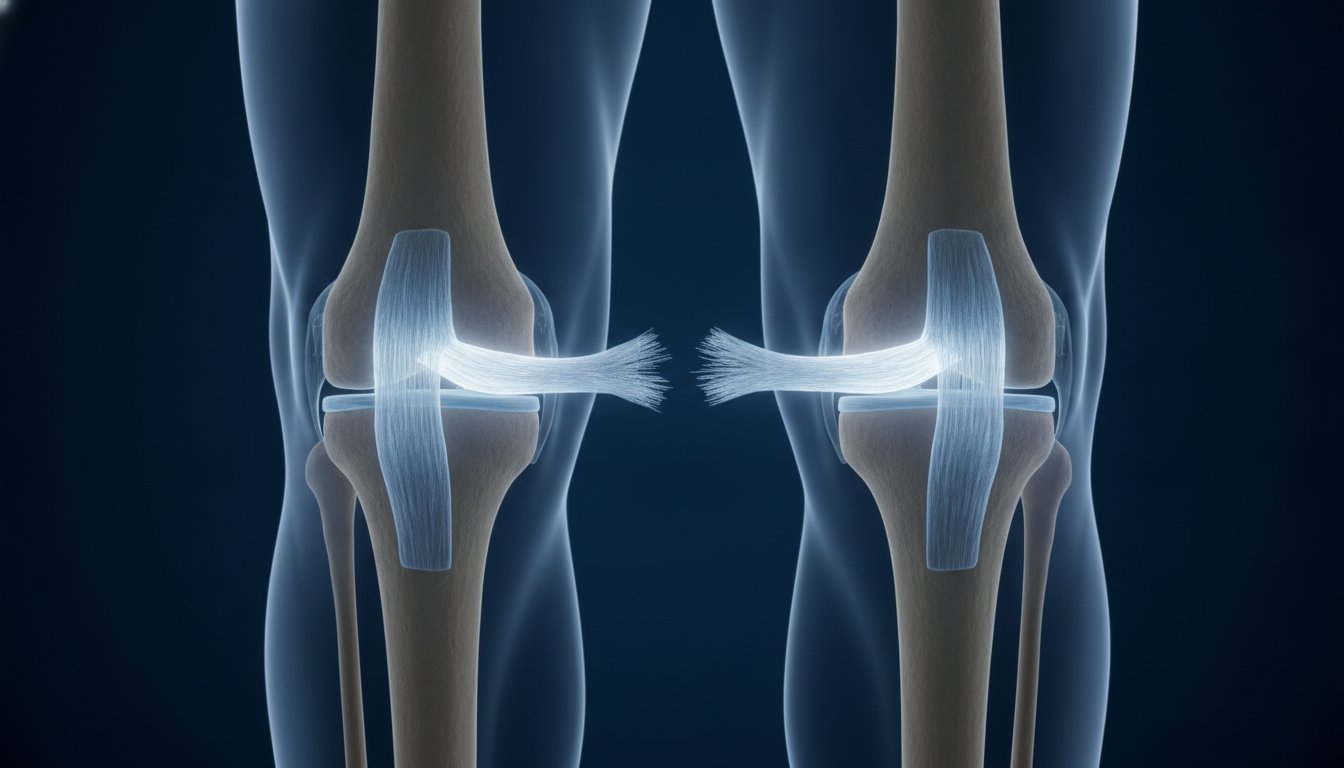
Orthopaedic surgery is currently undergoing a significant paradigm shift. For decades, the primary objective of treating a torn anterior cruciate ligament was achieving mechanical stability through replacement. However, by 2026, the focus has moved toward biological restoration. When weighing the choice between a BEAR implant vs ACL reconstruction, the most critical distinction is whether you prefer to replace your native anatomy or facilitate its natural healing. Traditional reconstruction is a “replacement” surgery, whereas the BEAR® Implant is a “restorative” procedure that relies on your body’s innate ability to repair itself.
Biology plays a vital role in this decision. Your native ACL isn’t just a mechanical tether; it’s a living tissue equipped with a complex network of nerves and blood vessels. These structures provide proprioception, which is the brain’s ability to sense the position and movement of the knee. When a surgeon performs a traditional reconstruction, these native nerves are lost. By choosing a restorative path, you preserve the original tissue, which helps maintain the natural “feel” of the joint and potentially leads to better long-term outcomes.
The Role of the Graft in Traditional Reconstruction
ACL reconstruction (ACLR) has remained the clinical gold standard for over 30 years because of its predictable ability to stabilize the knee. During this procedure, the torn ligament is removed and replaced with a tendon graft. Surgeons typically harvest this graft from the patient’s own patellar tendon, hamstring, or quadriceps. While this builds a strong new ligament, it often leads to “donor site morbidity.” This clinical term describes the persistent pain, weakness, or numbness that patients often experience at the site where the healthy tissue was removed. While the knee becomes stable, the trauma of the second surgical site can complicate the early stages of recovery.
How the BEAR® Implant Facilitates Natural Healing
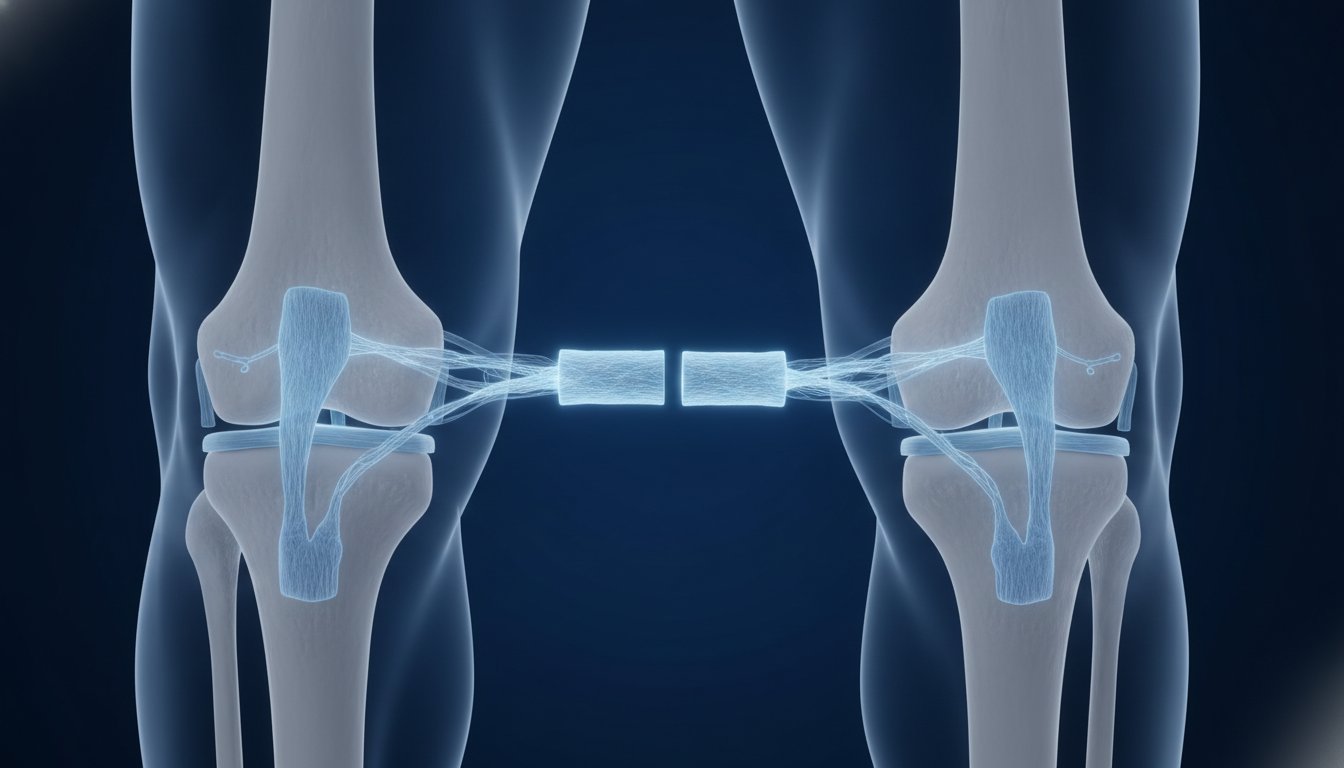
The Bridge-Enhanced ACL Restoration (BEAR) Implant offers a sophisticated alternative that eliminates the need for a graft. The BEAR implant is a bovine-derived collagen scaffold that is surgically secured between the two torn ends of the ACL. It doesn’t act as a permanent replacement; instead, it functions as a bioactive bridge. By holding the patient’s own blood in the gap, it creates a stable environment for a clot to form. This clot acts as a lattice, allowing native cells to migrate across the tear and begin the repair process. Because there’s no secondary harvest site, the patient is spared the complications of donor site pain, allowing the focus of rehabilitation to remain entirely on the healing of the primary ligament. If you’re still asking what is BEAR implant surgery and how it differs from conventional methods, this transition from purely mechanical intervention to a more sophisticated, biologic-based standard of care is the essential starting point.
Comparing Surgical Techniques: Minimally Invasive Approaches
Orthopaedic surgeons prioritize preserving as much of the original joint structure as possible. Whether performing a traditional reconstruction or a biologic repair, the use of arthroscopic techniques ensures that surgical trauma is kept to a minimum. Small incisions allow for the insertion of a high-definition camera and specialized instruments, which reduces scarring and speeds up the initial healing phase. However, when comparing the BEAR implant vs ACL reconstruction, the mechanical footprint left on the bone and surrounding tissue varies significantly between the two approaches.
The ACLR Procedure: Tunnels and Tendons
In a standard ACLR, the surgeon must create substantial bone tunnels in the femur and tibia. These tunnels act as channels for the graft, which is then secured with hardware like screws or buttons. Achieving the perfect degree of tension is a highly technical task; if the graft is too tight, it may restrict motion, while a loose graft can lead to instability. Patients must also manage the physiological cost of the harvest site, where healthy tendon was removed. This means the body is simultaneously trying to integrate a new graft into bone tunnels while healing the donor site. This double-site recovery is a hallmark of the traditional method.
The BEAR® Procedure: Bridging the Gap
The BEAR® procedure takes a different approach by focusing on re-approximating the native ligament ends rather than drilling large channels for a replacement. Experts at the Cleveland Clinic on the BEAR Implant highlight that this technique acts as the missing link in ligament repair. The surgeon places the collagen sponge between the torn ends and secures it with an Internal Support Suture. This suture provides temporary mechanical stability, protecting the delicate healing tissue as it regrows. By injecting the patient’s own blood into the sponge, the surgeon initiates a biologic healing response without the need for a secondary harvest site.
This minimally invasive ACL repair NJ minimizes overall surgical trauma and preserves the integrity of the bone. Precision is paramount in these procedures. The placement of the internal suture and the handling of the collagen scaffold require specialized training and a diagnostic mindset. Seeking a board-certified orthopaedic specialist in Nutley ensures that your surgical plan is executed with the highest level of clinical expertise, whether you choose traditional reconstruction or advanced biologic repair.
Recovery Timelines and Long-Term Joint Health
The rehabilitation phase is where the biological advantages of the BEAR® Implant become most apparent, though it requires a different level of patience in the early weeks. When comparing the BEAR implant vs ACL reconstruction, the most immediate difference is weight-bearing status. Traditional reconstruction patients often begin weight-bearing as tolerated within days. In contrast, BEAR patients typically follow a stricter protocol to protect the developing blood clot and collagen scaffold during the initial stages of ligament re-approximation. This deliberate pace is necessary to ensure the native tissue has the environment it needs to bridge the gap.
By the 6-month milestone, the biological healing of the native tissue begins to converge with the mechanical strength required for advanced activity. While the return-to-sport timeline for both procedures generally falls between 9 months and one year, the quality of joint stability often differs. This is due to proprioception. The native ACL contains specialized nerve endings that provide the brain with real-time data on knee position. Because reconstruction replaces this tissue with a “dead” graft, that sensory feedback is lost. A native ligament restored via the BEAR® procedure maintains these neural pathways, often resulting in a knee that feels more stable and “natural” during high-demand pivoting movements.
Preventing Post-Traumatic Osteoarthritis (PTOA)
Long-term joint health is a primary concern for active individuals. Clinical data indicates that approximately 1 in 3 patients who undergo traditional ACLR develop post-traumatic osteoarthritis within 10 years of surgery. This often stems from the subtle mechanical changes that occur when a graft is used instead of native tissue. The BEAR® Implant aims to mitigate this risk by preserving the original anatomy and kinematics of the knee. By restoring the native ligament rather than replacing it, the joint experiences less abnormal wear and tear, potentially leading to superior cartilage health over the decades. This preservation of native anatomy is a cornerstone of modern orthopaedic care.
Physical Therapy Milestones
Success in recovery depends heavily on a structured rehabilitation plan. You’ll need to customize your BEAR implant ACL recovery protocol to account for the unique biological timeline of ligament healing. The first 6 weeks are significantly more cautious than traditional reconstruction, focusing on protecting the repair while gradually restoring range of motion. Key milestones include:
- Weeks 1-4: Strict protection of the surgical site with limited weight-bearing to allow the collagen scaffold to stabilize.
- Month 3: Initiation of low-impact strengthening and the restoration of full functional range of motion.
- Month 6: The critical intersection where biological maturity meets mechanical loading, allowing for more aggressive agility work.
We emphasize the importance of working with local physical therapy partners in the Nutley and Bloomfield area who are familiar with these modern protocols. This collaboration ensures that the transition from clinical surgery to functional performance is seamless and medically sound.

Candidacy: Who Should Choose BEAR® vs. ACLR?
Selecting the appropriate surgical path requires a precise diagnostic evaluation of both the injury’s timing and the remaining anatomy. The decision between a BEAR implant vs ACL reconstruction is often dictated by a specific “window of opportunity” that opens immediately following the trauma. While traditional reconstruction offers flexibility in scheduling, biologic repair is significantly more time-sensitive. With approximately 400,000 ACL injuries occurring in the U.S. each year, understanding these candidacy requirements is essential for any active individual facing a long recovery journey. Recognizing the signs of ACL tear early is critical, as prompt diagnosis directly determines whether you remain within the biological window for a restorative procedure.
Your lifestyle and activity goals in North Jersey also play a significant role in this recommendation. A patient’s age, the specific nature of the tear, and the quality of the remaining tissue all influence the final surgical plan. A board-certified specialist will use high-resolution MRI imaging to determine if the native ligament is healthy enough to support a restorative bridge or if a complete replacement is the more predictable route for your specific joint mechanics.
When to Opt for Traditional Reconstruction
Traditional ACL reconstruction remains the clinical standard for chronic tears where the injury occurred more than 50 days prior. Over time, a torn ligament often retracts toward the femur or begins to degrade, leaving insufficient tissue for a restorative bridge to be effective. If your injury is several months old, or if you’re undergoing a revision surgery for a graft that has failed, reconstruction is typically the most reliable option. It’s also the preferred method for complex multi-ligament injuries that require a more robust mechanical stabilization than a single-ligament repair can provide.
The Ideal BEAR® Candidate
The most successful outcomes for the BEAR® procedure occur in patients who address their injury quickly. Clinical guidelines suggest that the surgery should ideally be performed within 50 days of the rupture to ensure the native ligament tissue remains viable. During an MRI evaluation, your surgeon will look for a healthy “stump” attached to the tibia, which acts as the foundation for the collagen scaffold. This procedure is particularly attractive for patients who want to avoid the long-term morbidity of a donor graft site. Whether you’re a hiker in the local reservations or a competitive athlete, the preservation of native nerves and blood supply offers a level of joint “feel” that reconstruction cannot replicate.
If you’ve recently sustained a complete ACL rupture, the first step is a professional assessment to see if you meet these specific candidacy requirements. You can schedule a consultation with our orthopaedic team to review your MRI and discuss which biological or mechanical approach fits your recovery timeline and long-term health goals.
Consulting an ACL Specialist in Nutley, New Jersey
Choosing between a BEAR implant vs ACL reconstruction is a clinical decision that shouldn’t be made in isolation. While the data regarding biological healing is compelling, the technical proficiency of your surgeon is just as vital as the procedure itself. At The Orthopaedic & Sports Medicine Institute, our board-certified specialists provide an authoritative standard of care that bridges the gap between established surgical methods and modern, restorative alternatives. We understand that every knee is unique, requiring a diagnostic mindset that looks beyond a simple imaging report.
Personalized diagnostic imaging is the cornerstone of our approach. It’s a common misconception that an MRI performed in Clifton or Belleville is sufficient for a surgical recommendation on its own. While high-resolution imaging is necessary, it must be paired with a comprehensive clinical exam. We evaluate the physical stability of the joint and measure the quality of the remaining ACL stump to determine if you fit the biological profile for a BEAR® procedure. This thorough assessment ensures that the path you choose is the one most likely to return you to your pre-injury activity levels without long-term complications.
Local Care for a Global Standard
There is a distinct advantage to receiving specialized care within your own community. Centralizing your surgery and follow-up care at our Nutley facility ensures a seamless transition from the operating room to the recovery phase. We take a proactive role in coordinating with local physical therapy partners in Lyndhurst and Kearny, ensuring that your specific rehabilitation protocol is followed with precision. Our commitment to minimally invasive techniques is designed to facilitate a faster return to work and play, keeping the focus on your recovery journey from day one.
Preparing for Your Orthopedic Consultation
A productive consultation starts with preparation. To help us provide the most accurate guidance, please bring your imaging discs, a detailed timeline of your injury, and a list of your specific activity goals. This information allows us to weigh the merits of the BEAR implant vs ACL reconstruction against your lifestyle demands. During your visit, you should feel empowered to ask your surgeon about the “50-day window” and how each technique might impact your long-term risk of arthritis.
Timing is critical when considering restorative options. If you’re ready to explore whether you’re a candidate for the latest advancements in native ligament healing, schedule your consultation in Nutley today. Our team is dedicated to providing the transparency and professional expertise you need to make an informed decision about your knee health.
Securing Your Future Mobility
The choice between a BEAR implant vs ACL reconstruction represents a fundamental decision between traditional mechanical replacement and the future of biological joint restoration. While reconstruction remains a reliable standard for chronic injuries or revision cases, the BEAR® Implant offers a unique opportunity to preserve your native anatomy and maintain critical sensory feedback. Success in either path depends on the quality of your remaining tissue and your specific recovery timeline. By prioritizing the preservation of your original ligament, you’re investing in the long-term health of your knee cartilage and overall joint function.
Our team at The Orthopaedic & Sports Medicine Institute has served Nutley, Clifton, and North Jersey for over a decade. As board-certified specialists in BEAR® Implant technology, we provide the diagnostic precision necessary to determine which modern intervention aligns with your physical goals. We focus on minimally invasive techniques that reduce surgical trauma and facilitate a more natural return to your active lifestyle. Don’t let a ligament injury dictate your future mobility without exploring every restorative option available.
Book an ACL Consultation with a Board-Certified Surgeon
We’re here to guide you through every stage of your recovery with expertise and empathy.
Frequently Asked Questions
Is the BEAR implant better than a hamstring graft?
The BEAR® Implant offers a distinct clinical advantage regarding long-term joint health by significantly reducing the risk of post-traumatic osteoarthritis. Clinical data showed that only 5.7% of BEAR patients developed osteoarthritis compared to 33% of those who received a hamstring autograft. Additionally, it eliminates donor site morbidity, which is the persistent pain and muscle weakness often caused by harvesting a graft from your own leg.
How long does the BEAR implant surgery take compared to reconstruction?
The BEAR® procedure typically takes between 45 and 60 minutes, which is a timeframe comparable to traditional reconstruction. While the steps to re-approximate the native tissue and secure the collagen scaffold are highly precise, the absence of a graft harvest step can streamline the operative process. Both techniques are performed as outpatient procedures, allowing you to return home the same day.
What is the success rate of the BEAR implant vs. ACL reconstruction?
Success rates for the BEAR implant vs ACL reconstruction are generally comparable, though re-tear data varies by study. An August 2025 report noted a 14% failure rate for the BEAR® implant at two years, compared to 6% for autografts. However, real-world evidence from the Bridge Registry showed a lower 5% retear rate, highlighting that success depends heavily on adhering to a structured, cautious rehabilitation protocol.
Can I get the BEAR implant if my injury happened 6 months ago?
You typically aren’t a candidate for the BEAR® Implant if your injury occurred six months ago. The procedure is specifically designed for acute tears and is ideally performed within 50 days of the initial trauma. After this window, the native ligament tissue usually retracts or degrades too much to facilitate a successful biologic bridge. In cases of chronic tears, traditional reconstruction remains the appropriate standard.
Does insurance in New Jersey cover the BEAR implant procedure?
Most major insurance plans in New Jersey cover the BEAR® Implant when it’s deemed medically necessary. While some patients have reported initial denials from specific carriers, many have successfully appealed these decisions with the help of clinical documentation. It’s essential to verify your specific benefits and out-of-pocket responsibilities with both your insurer and our billing specialists prior to your scheduled surgery date.
Will I have a scar after BEAR implant surgery?
You will have minimal scarring because the procedure is performed using advanced arthroscopic techniques. Surgeons use small portals to insert the camera and instruments, resulting in incisions that are typically less than half an inch long. Because there’s no secondary harvest site, you avoid the larger scars associated with taking a graft from the patellar or quadriceps tendons.
When can I drive after an ACL repair or reconstruction?
Most patients return to driving within two to six weeks, depending on which leg was injured and the type of vehicle used. If your surgery was on the left leg and you drive an automatic, your return to the road may be faster. You must be completely off narcotic pain medications and possess enough muscle control to perform an emergency braking maneuver safely.
What happens if the BEAR implant fails?
If a BEAR® Implant fails, the knee can still be successfully treated with a traditional ACL reconstruction. Because the restorative procedure preserves your native bone and doesn’t require the large tunnels needed for a graft, the anatomy remains ideal for a secondary surgery. This ensures that a biologic repair attempt doesn’t prevent you from seeking a mechanical replacement if the ligament fails to heal.