What if the standard of care for a torn ACL didn’t require “robbing Peter to pay Paul” by harvesting a healthy tendon from elsewhere in your body? For decades, patients have faced the anxiety of losing a functional hamstring or patellar tendon to replace a damaged one, often wondering why the ACL cannot simply heal like other ligaments. This frustration is common, especially when considering the potential for long-term knee pain or the significant risk of post-traumatic osteoarthritis associated with traditional reconstruction methods.
If you’re asking what is BEAR implant surgery, you’re exploring a modern paradigm shift in orthopedics. This guide will help you discover how the BEAR® Implant allows your body to heal its own torn ACL without the need for traditional tendon grafts. We’ll examine the critical differences between restoration and reconstruction, review the 2026 FDA findings regarding reduced osteoarthritis risks, and help you determine if you’re a candidate for this advanced procedure with a board-certified specialist in Nutley or Clifton.
Key Takeaways
- Understand what is BEAR implant surgery by learning how a bio-engineered collagen scaffold enables your body to bridge the gap between torn ligament ends.
- Explore the scientific mechanism that overcomes synovial fluid interference to stabilize a natural blood clot for native ligament healing.
- Compare the advantages of a graft-free restoration over traditional reconstruction, focusing on the preservation of natural proprioception and knee anatomy.
- Determine your candidacy by reviewing the essential 50-day treatment window and the specific anatomical requirements for a successful BEAR procedure.
- Locate specialized orthopedic care in Nutley and Clifton from board-certified practitioners who prioritize modern, less disruptive surgical alternatives.
What is BEAR Implant Surgery? Defining ACL Restoration
Understanding what is BEAR implant surgery begins with a fundamental shift in how orthopedists view ligament damage. For decades, the gold standard for a torn anterior cruciate ligament (ACL) was reconstruction. This involved removing the torn ends and replacing them with a graft, often harvested from the patient’s own hamstring or patella. Bridge-Enhanced ACL Restoration (BEAR) changes this narrative by focusing on restoration rather than replacement. Developed by Miach Orthopaedics and cleared by the FDA in late 2020, this technology enables the body to heal its native tissue.
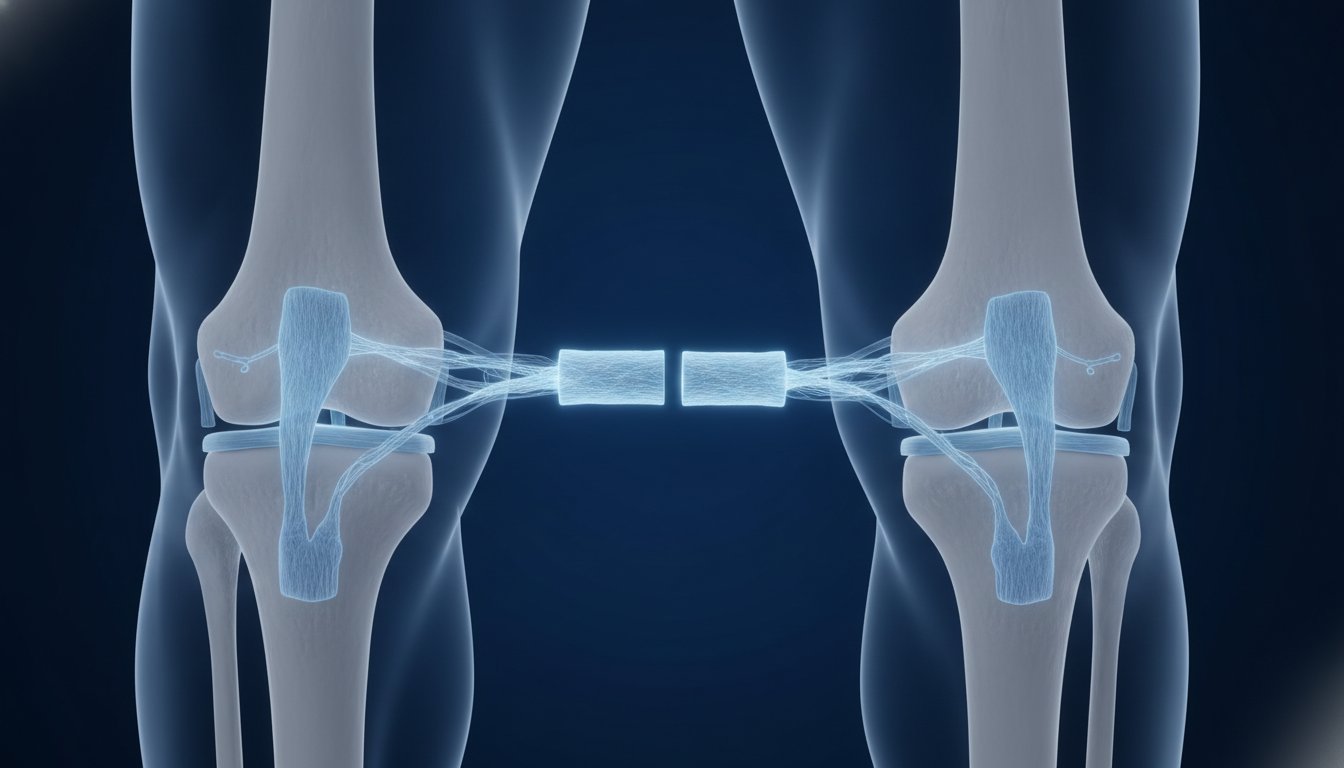
The core innovation of this procedure is a bovine-derived collagen sponge. During the surgery, a board-certified surgeon inserts this specialized scaffold between the torn ends of the ACL. The sponge is then saturated with the patient’s own blood, creating a stable environment for healing. This approach moves away from the mechanical replacement of the ligament and toward a biological solution that utilizes the body’s natural regenerative capabilities.
The Anatomy of an ACL Tear
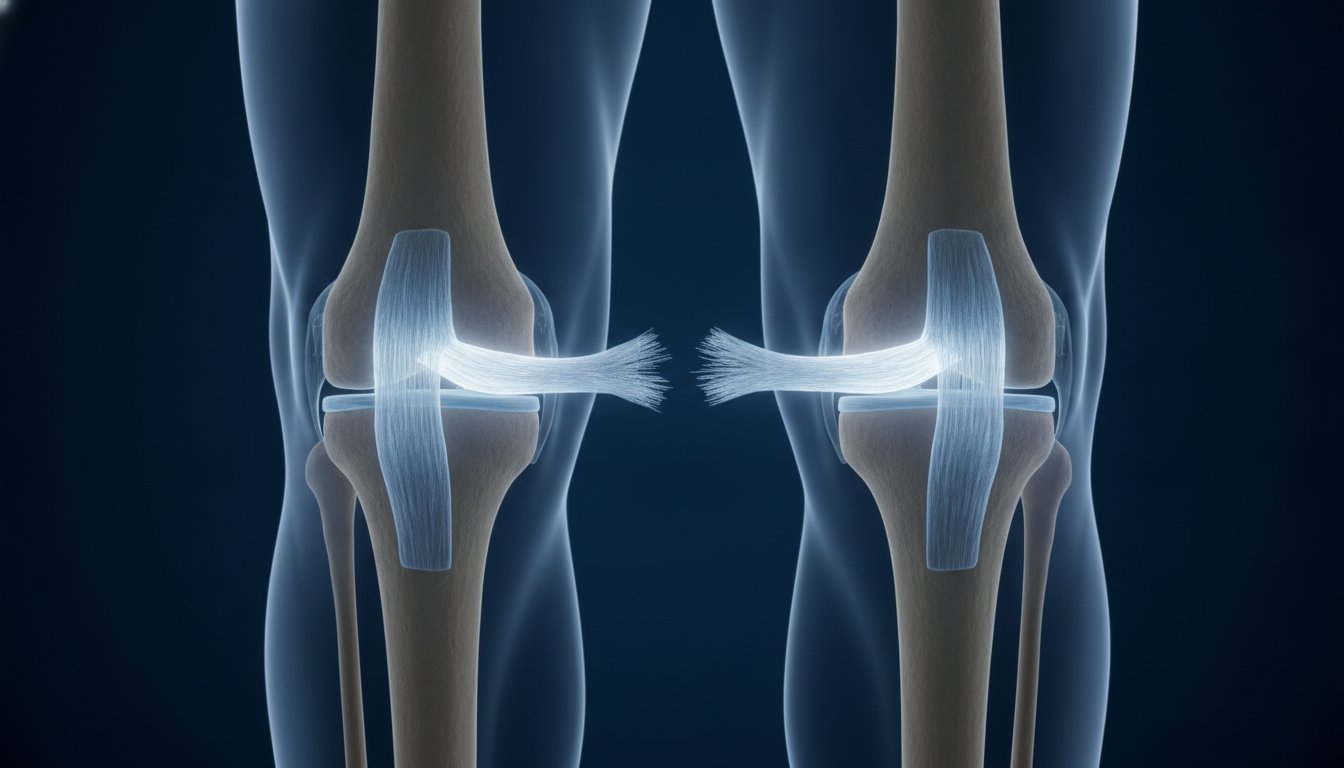
The ACL is the primary stabilizer of the knee, preventing the tibia from sliding in front of the femur. Historically, surgeons believed the ACL couldn’t heal on its own because of the unique environment inside the knee joint. When most ligaments tear, a blood clot forms to bridge the gap, acting as a foundation for new tissue. However, the knee is filled with synovial fluid. This fluid is essential for joint lubrication, but it’s also incredibly efficient at dissolving blood clots before they can stabilize. Without that foundational clot, the torn ends of the ACL can’t reconnect. The BEAR implant provides the physical bridge that synovial fluid usually destroys, allowing a stable clot to form and healing to begin. Recognizing the signs of an ACL tear early is essential, as prompt diagnosis directly determines whether restorative options like the BEAR procedure remain available.
Native Ligament vs. Grafted Tendon
Preserving the native ligament is the ultimate goal in modern minimally invasive orthopedic surgery NJ. Your original ACL is more than just a mechanical stabilizer; it’s a sensory organ. It contains mechanoreceptors that provide proprioception, which is your brain’s ability to sense the knee’s position in space. When you undergo a traditional reconstruction, these nerve endings are lost. By using the BEAR implant to restore the original ligament, patients can maintain better natural joint feel and coordination. Local clinics in Nutley and Clifton now use this “biological bridge” to help athletes and active individuals return to their peak performance without the donor-site morbidity associated with harvesting healthy tendons from other parts of the leg.
The Science of Healing: How the BEAR Implant Works
The biological barrier to ACL healing isn’t the ligament’s inability to grow, but rather the environment where it resides. When you ask what is BEAR implant surgery, you’re looking at a solution designed to bypass the knee joint’s natural defense mechanisms. Most ligaments in the body heal by forming a blood clot that acts as a bridge for new tissue. The knee, however, presents a unique anatomical challenge that prevents this natural restoration.
The joint is filled with synovial fluid, a substance that lubricates the cartilage. While vital for movement, this fluid contains enzymes that prevent blood from clotting. When an ACL tears, the synovial fluid washes away the body’s natural attempt to form a bridge, leaving the torn ends separated. The BEAR® Implant acts as a bovine-derived collagen scaffold that stabilizes a blood clot between the torn ends, protecting it from this “hostile” synovial fluid and allowing the healing process to begin.
During the procedure, the surgeon injects the patient’s own blood into the dry collagen sponge. This integration is critical. It transforms the implant into a nutrient-rich “micro-environment” where the body’s own cells can migrate and begin the repair process. This transition from a synthetic bridge to a biological one is supported by extensive Brown University BEAR implant research, which highlights how this method facilitates native tissue regeneration through a protected healing cascade.
The Role of Synovial Fluid
The first 48 hours following an ACL injury are the most critical for the healing cascade. In a typical tear, the synovial fluid immediately disrupts the formation of a fibrin bridge. The BEAR implant essentially “tricks” the body by providing a physical structure that the fluid cannot dissolve. This allows the ligament ends to knit back together in a protected space, a process that was previously thought impossible within the knee joint. If you’ve recently sustained an injury, consulting with a specialist in minimally invasive orthopedic surgery NJ can help determine if your injury is still within the window for this restorative approach.
The Resorption Process
One of the most impressive aspects of this technology is its temporary nature. The collagen sponge isn’t a permanent fixture in your knee. Instead, it undergoes a process known as resorption. Resorption is the biological replacement of the implant by native ACL fibers over time. By approximately eight weeks post-surgery, the body has completely absorbed the collagen scaffold, replacing it with healthy, functional ligament tissue that carries your own DNA. This ensures that the long-term stability of your knee relies on your own anatomy rather than a foreign material or a harvested graft.
BEAR Implant vs. ACL Reconstruction: Key Differences
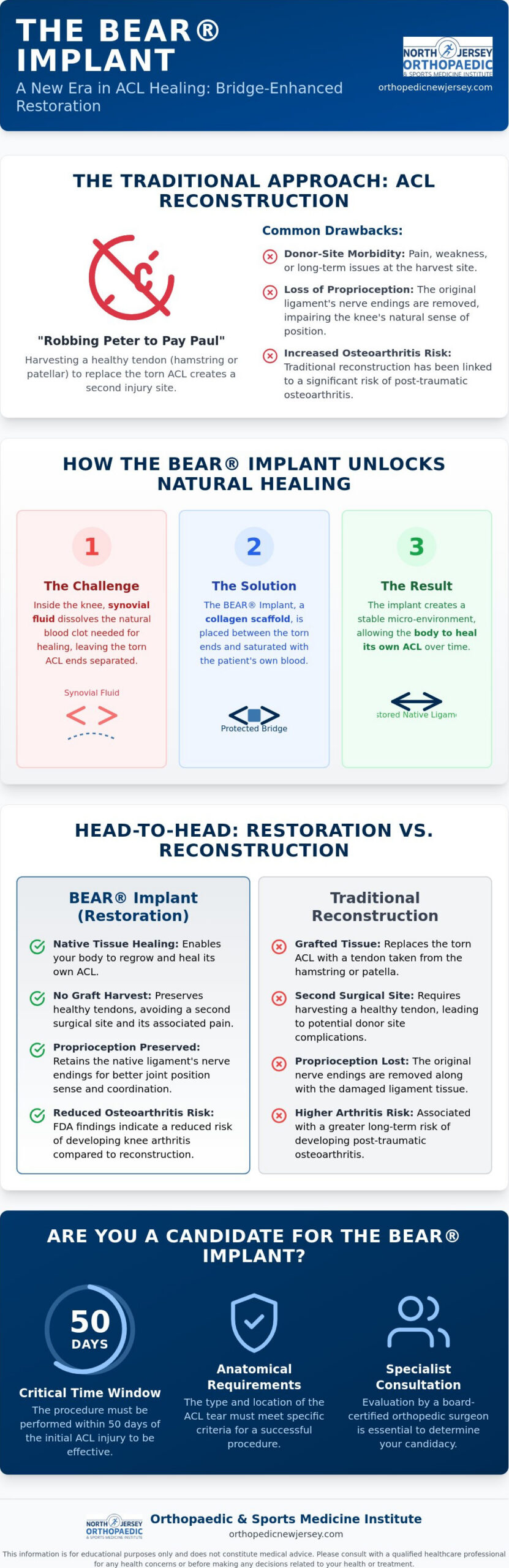
When patients ask what is BEAR implant surgery, they’re usually comparing it to the traditional ACL reconstruction method that’s been the industry standard for decades. The fundamental difference lies in the approach to the damaged tissue. Traditional reconstruction is a replacement strategy. The surgeon removes the torn ligament and replaces it with a graft, which requires drilling tunnels into the femur and tibia to anchor the new tendon. The FDA classification of the BEAR Implant identifies it as a restorative device, representing a move toward biological preservation rather than mechanical replacement.
The BEAR procedure is significantly less invasive regarding bone preservation. Because the surgeon doesn’t need to anchor a large graft, the bone tunnels are typically smaller or managed differently, leading to less trauma to the joint’s architecture. This distinction is vital for long-term health. According to 2026 clinical data, patients who received the BEAR Implant saw an absolute reduction in six-year post-traumatic osteoarthritis of -27.7% compared to those who underwent traditional reconstruction. By maintaining the natural mechanics of the knee, the risk of early-onset joint degeneration is substantially lowered.
Proprioception and ‘Natural’ Feel
Athletes frequently report that a reconstructed knee feels “different” or “stiff” even after a successful recovery. This happens because the native ACL contains mechanoreceptors, which are specialized nerve endings that provide proprioception. This is your brain’s ability to sense the knee’s position and movement without looking at it. Traditional surgery removes these nerves along with the torn ligament. By preserving the original tissue, the BEAR procedure keeps these sensors intact. For a detailed breakdown of these functional differences, you can explore our guide on BEAR® Implant vs. ACL Reconstruction: Which Is Right for Your Knee?. Patients often find that a restored knee provides a more “natural” feel during high-stakes agility movements.
Avoiding Donor Site Morbidity
Traditional reconstruction often requires “robbing Peter to pay Paul.” To get a graft, the surgeon must harvest a healthy tendon from your hamstring or patella. This creates a second surgical site that must heal, often leading to what doctors call donor site morbidity. This can manifest as chronic kneeling pain, hamstring weakness, or permanent numbness. The BEAR procedure is entirely graft-free. There’s no second incision and no damage to healthy tendons. For active individuals in Nutley and Clifton, this means a more focused recovery and a faster return to daily functional strength without the lingering complications of a harvested graft.
Candidacy and Recovery: Is BEAR Right for You?
Determining if you’re a candidate for this procedure requires a precise diagnostic evaluation. While many patients ask what is BEAR implant surgery out of a desire to avoid grafts, the biological requirements are strict. This isn’t a “one size fits all” solution. It’s a highly specialized intervention that relies on the quality of your remaining native tissue and the timing of your surgical intervention. The procedure is specifically indicated for patients with a complete or partial ACL rupture where the ligament stump remains attached to the tibia. If the ligament has pulled away entirely or has begun to resorb, the collagen bridge cannot effectively facilitate healing.
Patient age and activity level also play a role in the decision-making process. The 2026 FDA label update confirms that this procedure is highly effective for patients aged 14 and older. It’s particularly beneficial for young athletes and active adults who are concerned about the long-term health of their knee joint. By choosing restoration, these patients aim to reduce the risk of post-traumatic osteoarthritis, which clinical studies show is significantly lower with the BEAR implant compared to traditional reconstruction methods.
The 50-Day Surgery Requirement
Timing is the most critical factor in candidacy. To achieve successful restoration, the surgery must typically occur within 50 days of the initial injury. After this window, the torn ends of the ACL begin to scar over or retract, making it impossible for the collagen scaffold to bridge the gap effectively. If you miss this window, your options usually transition back to traditional reconstruction methods. This makes it imperative to see a knee injury specialist in Nutley immediately following a suspected tear to ensure all restorative options remain on the table. Understanding the signs of an ACL tear and seeking evaluation without delay can be the difference between qualifying for the BEAR procedure and being limited to traditional reconstruction.
Recovery Milestones
The recovery process for a BEAR implant differs significantly from traditional reconstruction in the early phases. Because the procedure relies on a stabilized blood clot, the initial weeks focus heavily on protecting that bridge. Patients typically face stricter weight-bearing and bracing restrictions for the first few weeks to ensure the healing tissue isn’t disrupted. However, because there’s no donor site to heal, many patients find they recover muscle strength in the quadriceps and hamstrings more quickly than those with autografts. For a detailed look at the timeline, refer to our BEAR Implant ACL Recovery: A Comprehensive Month-by-Month Guide. If you’re ready to explore your options, schedule a consultation with a board-certified specialist today to discuss your specific injury.
Expert BEAR Implant Surgery in Nutley & North Jersey
Choosing the right facility for your ACL restoration is just as critical as the technology itself. At The Orthopaedic & Sports Medicine Institute (OSMI), we’ve established ourselves as a premier local center for advanced knee care. While many general practices are still catching up to the latest biological trends, our focus remains on providing specialized solutions like the BEAR® Implant. If you’ve been researching what is BEAR implant surgery, you likely understand that it requires a high level of technical precision. Our board-certified surgeons possess the specific training necessary to perform this minimally invasive orthopedic surgery NJ, ensuring that patients in Nutley and the surrounding communities receive world-class care close to home.
Our practice serves as a dedicated resource for residents in Nutley, Bloomfield, Clifton, and Belleville. We recognize that an ACL tear is a significant life event that affects your mobility and your confidence. By focusing on restorative techniques, we aim to get you back to your active lifestyle with a knee that feels natural and stable. We don’t just perform a procedure; we manage your entire recovery journey, from the initial diagnostic imaging to the final stages of sport-specific rehabilitation.
Personalized Care in North Jersey
Every patient has a unique lifestyle, whether you’re a competitive athlete or a weekend warrior. We prioritize patient education, ensuring you fully understand the “restoration vs. reconstruction” debate before making a decision. Our team coordinates closely with a network of trusted local physical therapists in Kearny, Lyndhurst, and Verona. This seamless communication ensures your post-operative protocol is followed precisely, which is vital for the biological bridge to mature into a strong, functional ligament. OSMI remains steadfast in its commitment to providing the most advanced, least disruptive surgical options in New Jersey.
Just as the BEAR implant helps rebuild your physical strength, those in the South Jersey area looking to rebuild or renovate their homes can visit Black Bear Construction for professional contracting expertise.
Scheduling Your Evaluation
The path to recovery begins with a thorough clinical evaluation at our Nutley office. When you visit us after an ACL injury, we conduct a comprehensive physical exam and review your MRI results to determine candidacy. Remember that the 50-day window for restoration is strict, so timing is essential. We’ll examine the location of the tear and the quality of the remaining tissue to confirm if the BEAR procedure is the optimal choice for your knee. During your consultation, we’ll answer any remaining questions you have about what is BEAR implant surgery and what your specific recovery timeline will look like. Don’t wait to explore your options for native ligament healing. Schedule a consultation at OSMI today.
Restoring Your Native ACL for a Stronger Future
Gaining a clear understanding of what is BEAR implant surgery represents a vital first step in your recovery journey. By choosing biological restoration over traditional graft-based reconstruction, you’re prioritizing the preservation of your native anatomy and the long-term health of your knee joint. This modern approach avoids the complications associated with donor site morbidity and utilizes your body’s natural regenerative capabilities through advanced collagen scaffold technology.
As you evaluate your surgical options, remember that the 50-day window for native tissue viability is a critical factor for success. At The Orthopaedic & Sports Medicine Institute, our board-certified surgeons specialize in BEAR® Implant technology, providing the clinical expertise needed to navigate this paradigm shift in sports medicine. We’re dedicated to helping active individuals in Nutley, Clifton, and the surrounding North Jersey communities return to their peak performance with security and confidence.
Schedule an ACL Consultation in Nutley Today to determine if you’re a candidate for this innovative, minimally invasive procedure. We look forward to guiding you toward a full and healthy recovery.
Frequently Asked Questions
Is the BEAR implant better than traditional ACL surgery?
The BEAR implant offers distinct advantages over traditional reconstruction by preserving your native ACL tissue and avoiding donor site morbidity. While reconstruction remains a reliable standard, clinical studies show a 27.7% absolute reduction in 6-year post-traumatic osteoarthritis risk for BEAR patients. The best choice depends on your specific injury pattern, activity level, and goals for native tissue preservation.
How long does BEAR implant surgery take?
A BEAR implant procedure typically takes between 60 and 90 minutes to complete. This outpatient surgery is performed under general anesthesia or a regional block. Because it doesn’t require harvesting a graft from your hamstring or patella, the surgical time is often comparable to or slightly shorter than traditional reconstruction methods.
Will my insurance in New Jersey cover the BEAR implant?
Most major insurance providers in New Jersey cover the procedure because it is FDA-cleared and supported by published clinical data. However, coverage varies significantly by plan and provider. For instance, Aetna currently classifies the implant as experimental in some policy bulletins. Our Nutley office provides assistance with prior authorizations to verify your specific coverage details for what is BEAR implant surgery.
What is the success rate of BEAR implant ACL repair?
Clinical trials indicate that the success rate of BEAR restoration is comparable to traditional reconstruction regarding knee stability and return-to-sport metrics. In the Bridge Registry of the first 200 patients, outcomes showed high levels of patient satisfaction and functional stability. Success depends heavily on your commitment to the specific physical therapy protocol required for native tissue healing.
Can I have the BEAR procedure if my injury happened months ago?
You generally cannot have the BEAR procedure if your injury occurred more than 50 days ago. The success of the restoration relies on the presence of viable, healthy ligament tissue. After approximately seven weeks, the torn ends of the ACL begin to scar or retract. This makes them unsuitable for the bridge-enhanced restoration process, and traditional reconstruction usually becomes the recommended path.
Does the BEAR implant stay in my knee forever?
The BEAR implant does not stay in your knee permanently. It’s a bio-engineered collagen scaffold designed to be resorbed by your body within approximately eight weeks of surgery. By that time, your own cells have migrated into the scaffold and replaced it with new, healthy ligament tissue that contains your native DNA and nerve endings.
What happens if the BEAR implant fails?
If the BEAR restoration fails to heal properly, you still have the option to undergo a traditional ACL reconstruction. Because the BEAR procedure is minimally invasive and preserves your bone and tendons, it doesn’t prevent you from using a graft later. This makes it a restorative option that keeps all future surgical possibilities available if they’re needed.
How soon can I return to sports after BEAR surgery?
Most patients return to pivoting sports between 9 and 12 months after surgery. While the initial recovery requires more protection of the healing clot, the long-term timeline for what is BEAR implant surgery is similar to traditional methods. Your board-certified surgeon will clear you for full activity based on objective strength testing and functional movement assessments.