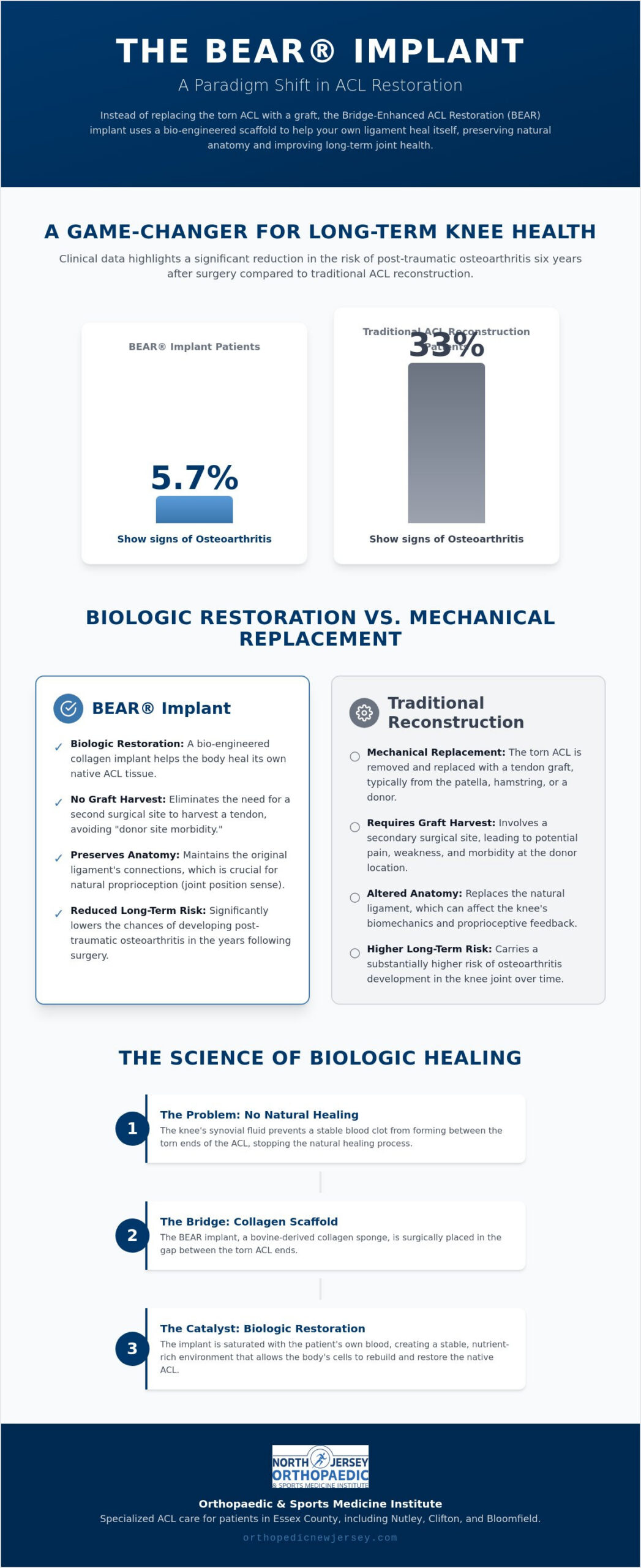
Did you know that six years after surgery, only 5.7% of patients treated with a BEAR implant show signs of osteoarthritis, compared to a staggering 33% of those who underwent traditional ACL reconstruction? For athletes in Nutley, Clifton, or Bloomfield, an ACL tear often feels like a definitive end to a season, followed by the daunting prospect of “donor site morbidity” from harvesting healthy tendons for a graft. It’s natural to feel anxious about whether your knee will ever regain its natural proprioception on the soccer pitch or tennis court. Finding a specialized BEAR implant surgeon in Essex County can change that trajectory by helping you heal your native ACL without the need for a traditional tendon graft. This article will examine how this advanced biologic restoration preserves your natural anatomy, reduces long-term joint risks, and accelerates your journey back to peak performance. We’ll also clarify the latest 2026 clinical data and expanded FDA indications to help you determine if this modern surgical path is the right choice for your recovery.
Key Takeaways
- Learn how the BEAR implant utilizes a bio-engineered collagen scaffold to facilitate the biologic restoration of your native ACL tissue.
- Discover why consulting a board-certified BEAR implant surgeon in Essex County is essential for accessing this advanced technology near Nutley, Clifton, and Bloomfield.
- Understand the clinical advantages of avoiding a graft harvest, which eliminates the secondary surgical site and prevents donor site morbidity.
- Review the 2026 data highlighting how preserving the native ligament significantly reduces the long-term risk of post-traumatic osteoarthritis.
- Gain a clear understanding of the structured rehabilitation milestones required to safely return to high-impact sports like soccer or tennis.
Finding a Specialized BEAR Implant Surgeon in Essex County
Selecting a BEAR implant surgeon in Essex County requires a shift in how you view orthopedic care. Traditional ACL reconstruction has been the standard for decades, but the introduction of Bridge-Enhanced ACL Restoration (BEAR) represents a paradigm shift toward biologic healing. This procedure isn’t a standard graft replacement; it’s a sophisticated technical intervention that requires specific certification. You aren’t just looking for a generalist. You’re seeking a specialist who understands the nuances of native ligament preservation and the precise handling of the bio-engineered collagen scaffold.
Why Proximity Matters for ACL Recovery
Recovery from an ACL injury is a marathon. While the surgery itself is a critical milestone, the months of rehabilitation that follow determine your ultimate success. Having your surgeon located in Nutley or Clifton provides a logistical advantage that shouldn’t be underestimated. During the first few weeks, when you’re likely non-weight-bearing and navigating a complex brace schedule, long commutes to distant surgical centers can add unnecessary physical strain. Local access ensures that post-operative checks are manageable and that your surgeon can stay in close communication with your physical therapy team.
- Geographic Convenience: Simplified access for patients in Bloomfield and Belleville means less time in the car and more time focusing on mobility.
- Reduced Stress: For those coming from Lyndhurst, a shorter drive reduces the discomfort associated with keeping the knee immobilized during travel.
- Collaborative Care: Proximity allows for better integration between your surgical team and the local North Jersey recovery specialists who will guide your daily exercises.
Criteria for an Expert BEAR Surgeon
When evaluating a potential BEAR implant surgeon in Essex County, look beyond the initial consultation. Surgical excellence in this field is rooted in a deep understanding of minimally invasive orthopedic surgery NJ. The BEAR procedure involves a specific kit and scaffold from Miach Orthopaedics that requires meticulous placement. A board-certified surgeon provides an extra layer of security, ensuring they’ve met the highest national standards for orthopedic knowledge and surgical skill. They should be able to demonstrate a clear track record in modern ligament repair techniques.
- Specific Miach Training: Ensure the surgeon is specifically authorized and trained to use the BEAR technology.
- Native Ligament Focus: Ask how many primary repairs they perform compared to traditional reconstructions. Restoration requires a different mindset than replacement.
- Patient-Centered Education: A great surgeon will explain why your specific tear pattern makes you a candidate for restoration. They’ll be transparent about the 2026 clinical data regarding osteoarthritis prevention and long-term joint health.
Choosing a local expert in Nutley means you’re prioritizing both cutting-edge technology and the practical realities of a long-term recovery. It’s about finding a partner who is as committed to your return to the soccer field or tennis court as you are.
The Science of Bridge-Enhanced ACL Restoration (BEAR)
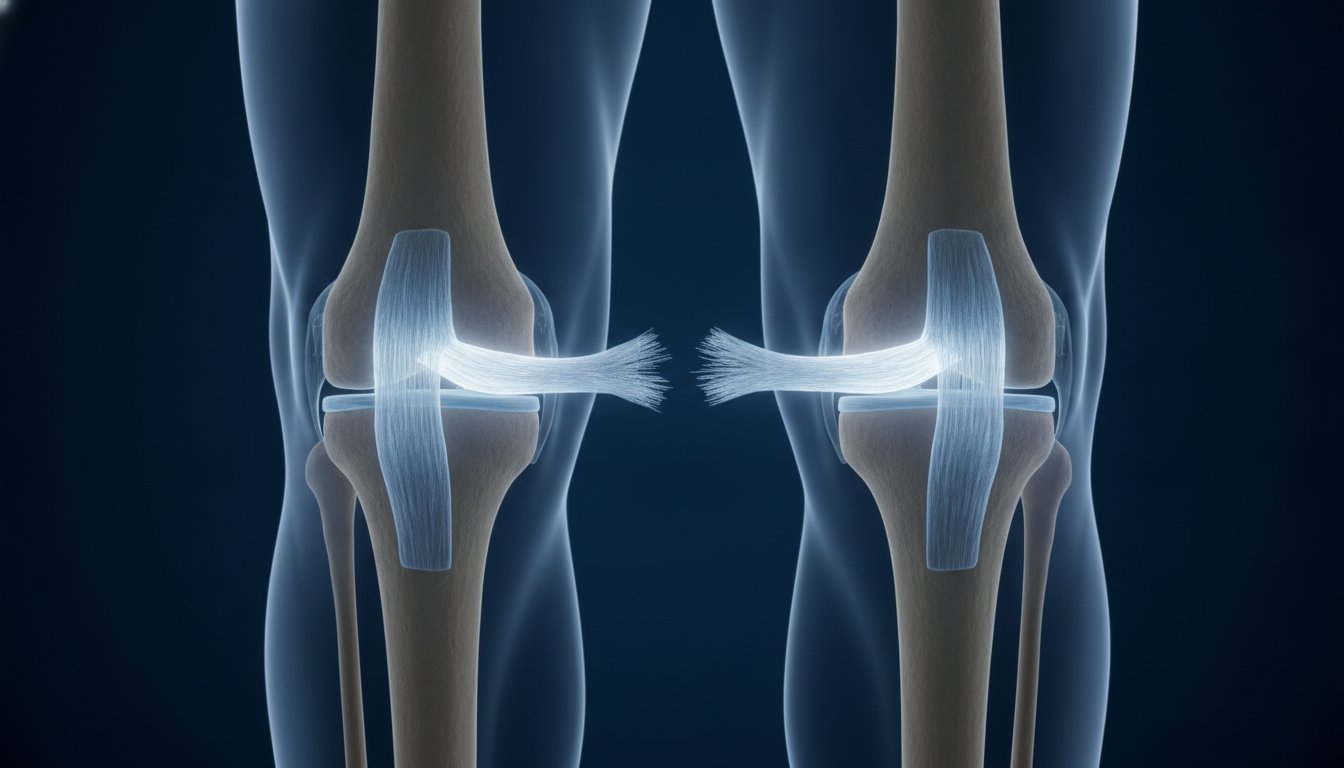
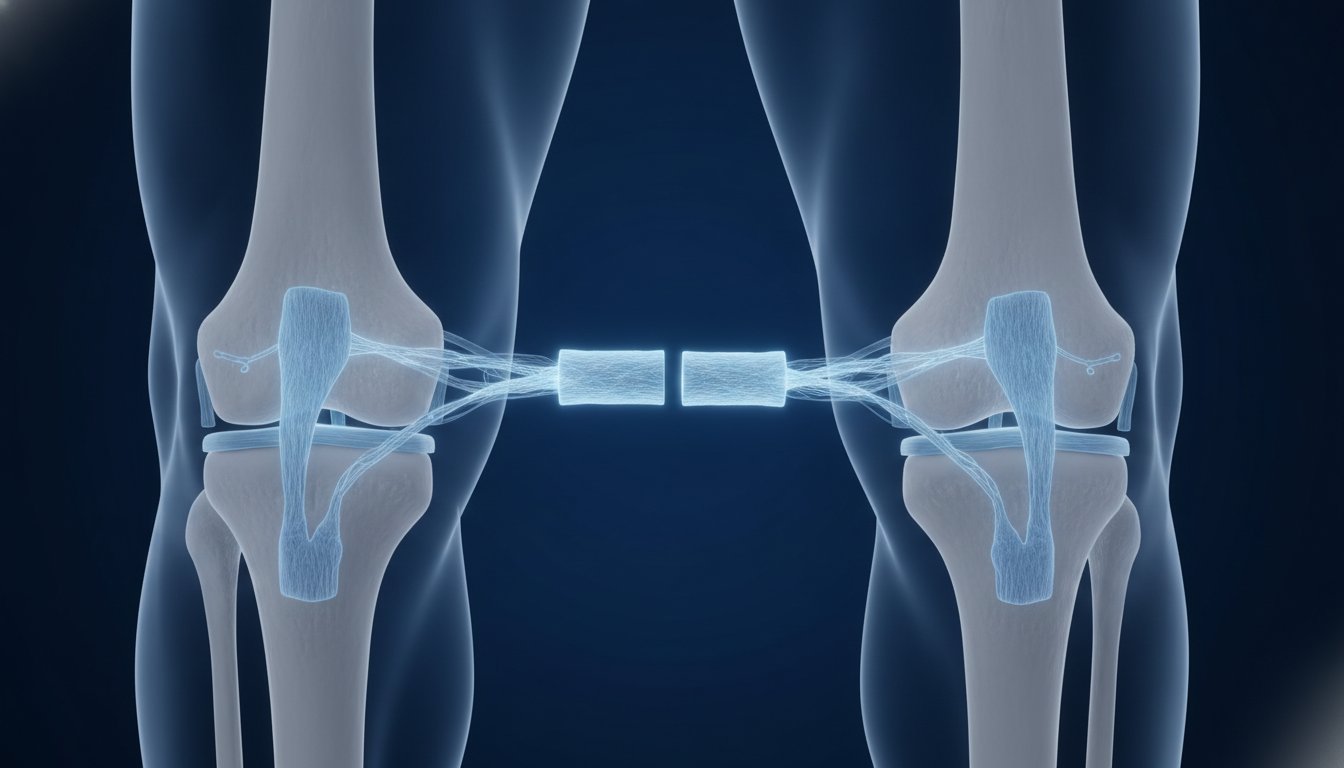
The ACL is one of the few ligaments in the human body that doesn’t heal on its own. This failure occurs because the knee joint is filled with synovial fluid, which prevents a stable blood clot from forming between the torn ends. Without a clot, the biological bridge to healing never forms. A specialized BEAR implant surgeon in Essex County uses a different approach. Instead of replacing the ligament with a harvested graft, they use a bio-engineered scaffold to stabilize the environment and allow the body to repair its own tissue.
This technology received its FDA De Novo classification after demonstrating that the native ligament could indeed be restored. Unlike traditional “primary repairs” from decades ago that relied solely on sutures, the BEAR procedure introduces a bovine-derived collagen sponge. During surgery, this sponge is saturated with your own blood, creating a nutrient-rich environment where your cells can migrate and rebuild the torn fibers. It’s a fundamental shift from mechanical replacement to biologic restoration.
The Role of the Collagen Sponge
The implant doesn’t stay in your body forever. It acts as a temporary scaffold, providing the structural integrity needed for new tissue growth. Within approximately eight weeks, your body resorbs the collagen sponge, replacing it with native cells, collagen, and blood vessels. This process is vital because it preserves the original innervation of the ligament. Keeping these natural nerves helps maintain proprioception, which is your brain’s ability to sense the position and movement of your knee. This natural feedback is often diminished in traditional reconstructions.
Candidate Selection for BEAR Restoration
Timing is the most critical factor for this procedure. Most surgeons recommend performing the restoration within 50 days of the initial injury while the ligament ends are still viable. While the procedure was originally reserved for specific adult tear types, the landscape evolved in March 2025 when the FDA expanded clearance to include children and adolescents. Additionally, the procedure is now a recognized option for partial ACL tears. Consulting with an expert orthopedic specialist in Nutley can clarify if your specific injury falls within these expanded indications. A BEAR implant surgeon in Essex County will evaluate your tear pattern via MRI to ensure the ligament stumps are healthy enough to support a successful biologic bridge.
BEAR Implant vs. Traditional ACL Reconstruction
When you consult a BEAR implant surgeon in Essex County, the conversation focuses on a fundamental choice: do you want to replace your ligament or restore it? Traditional ACL reconstruction is a replacement procedure. The surgeon removes your torn ligament and substitutes it with a graft. While this has been the standard for years, it fundamentally changes the anatomy of the knee. The BEAR procedure represents a shift toward biologic restoration, where the goal is to heal the tissue you were born with rather than discarding it.
Avoiding Graft Harvesting Complications
The most significant drawback of traditional reconstruction is the need for a graft. To create a new ACL, surgeons must harvest healthy tissue from elsewhere in your body, typically the patellar tendon, hamstring, or quadriceps. This creates a second surgical site and often leads to “donor site morbidity.” Many patients in North Jersey who undergo traditional surgery report persistent kneeling pain or long-term weakness in the muscle where the graft was taken. Because the BEAR procedure uses a bio-engineered collagen scaffold, there’s no need to harvest your own tissue. This means less trauma to healthy structures and a lower risk of chronic harvest-site complications.
- Patellar Tendon Grafts: Often associated with anterior knee pain and difficulty kneeling.
- Hamstring Grafts: Can result in permanent loss of peak hamstring strength.
- BEAR Restoration: Eliminates these risks by leaving your healthy tendons intact.
Proprioception and “Natural Feel”
Your native ACL is more than a mechanical tether; it’s a sensory organ. It contains specialized nerve endings called mechanoreceptors that provide your brain with constant feedback regarding the knee’s position and movement. This spatial awareness, known as proprioception, is vital for balance and coordination. When a ligament is replaced with a graft, these natural sensors are lost. By preserving the native tissue, a BEAR implant surgeon in Essex County helps you maintain that “natural feel” in the joint. For high-agility athletes participating in local soccer or tennis leagues, this preserved proprioception can be the difference between a tentative return and a confident, high-performance recovery.
Long-term joint health is the ultimate goal of any ACL intervention. Data from 2026 clinical reviews highlights a stark difference in post-traumatic osteoarthritis (PTOA) rates. Six years after surgery, only 5.7% of patients treated with the BEAR implant showed radiographic signs of osteoarthritis. In contrast, 33% of those who received traditional hamstring autografts showed similar joint degradation. Choosing restoration over replacement isn’t just about a faster return to sports; it’s a strategic decision to protect your knee’s longevity and functionality for decades to come.
Recovery Timeline and Rehabilitation in North Jersey
The rehabilitation process following a biologic ACL restoration is a structured, milestone-driven journey. It differs from traditional reconstruction because the initial phase focuses on shielding the healing bridge while the body resorbs the collagen scaffold. Success depends on a coordinated effort between the patient and their BEAR implant surgeon in Essex County. This partnership ensures that the native ligament regains its structural integrity without being compromised by premature stress. You aren’t just recovering from a surgery; you’re participating in a biological healing process.
The First Six Weeks Post-Op
During the initial month, the primary objectives are swelling management and protecting the surgical site. Patients typically use a hinged knee brace locked in extension for walking to prevent excessive strain on the new bridge. Early physical therapy focuses on quadriceps activation and straight leg raises to prevent muscle atrophy. The protection phase concludes at the six-week mark, signaling the transition from restricted range of motion to progressive weight-bearing.
For residents in Nutley and Clifton, integrating with local North Jersey physical therapy specialists who are familiar with the BEAR protocol is essential. These specialists monitor the transition from crutches to full weight-bearing, which usually occurs between weeks four and six. They ensure that the joint’s range of motion increases gradually. This prevents the formation of excessive scar tissue while allowing the native fibers to knit together securely.
Return to Sport Criteria
The timeline for returning to competitive athletics like soccer or tennis generally spans 9 to 12 months. This duration is similar to traditional methods, but the biological quality of the healed ligament is the key differentiator. Before clearance, patients must pass a battery of functional tests. These include single-leg hop tests and strength assessments that compare the surgical leg to the healthy one. We look for at least 90% strength symmetry before recommending a full return to play.
Psychological readiness is a major component of a successful return. Many athletes feel more confident because the knee retains its natural proprioception, reducing the fear of re-injury that often plagues graft recipients. Long-term maintenance involves continued strength training and neuromuscular drills to keep the joint stable. If you’re ready to begin this recovery journey, you can schedule a consultation with our board-certified surgeon to discuss your specific rehabilitation roadmap.
Specialized ACL Care at The Orthopaedic & Sports Medicine Institute
The Orthopaedic & Sports Medicine Institute serves as a central hub for advanced knee care in North Jersey. Led by a board-certified specialist, our practice prioritizes surgical precision and patient-centered outcomes. For those seeking a BEAR implant surgeon in Essex County, we provide a sophisticated alternative to traditional reconstruction. Our Nutley office is equipped with the diagnostic tools necessary to evaluate native ligament health and determine the most effective surgical path for your specific injury. We don’t just treat symptoms; we provide comprehensive surgical planning designed to restore your joint’s natural function.
We specialize in minimally invasive orthopedic surgery NJ, ensuring that every procedure is designed to reduce tissue trauma and accelerate the healing process. This commitment to modern methodology is exemplified by our focus on BEAR implant ACL repair New Jersey, which allows us to restore rather than replace the anterior cruciate ligament. Our approach bridges the gap between established medical wisdom and the future of specialized care by prioritizing the preservation of your original anatomy.
Serving Nutley, Clifton, and Surrounding Communities
Athletes in North Jersey deserve elite sports medicine care without the burden of traveling into New York City. We maintain close coordination with local high school and club sports programs to ensure that student-athletes receive the same level of care as professionals. Our personalized recovery plans are tailored to the active North Jersey lifestyle. Whether you’re a weekend runner in Bloomfield or a competitive soccer player in Clifton, your rehabilitation is designed around your specific performance goals.
- Local Expertise: Specialized care located conveniently for residents of Belleville and Lyndhurst.
- Community Focused: Deeply familiar with the physical demands of local athletic leagues.
- Innovative Techniques: Access to the latest biologic restoration technology right in your neighborhood.
Schedule Your ACL Consultation
Your journey back to the field begins with a thorough evaluation at our Nutley office. During your first visit, we’ll review your MRI and assess the specific pattern of your ACL tear. This diagnostic process is critical for determining your candidacy for the BEAR procedure. We’ll discuss the clinical evidence, including the 2026 data regarding reduced osteoarthritis risk, to help you make an informed decision about your care. For patients in Kearny and Bloomfield, this initial consultation is the first step toward a “natural feel” recovery. Don’t let an ACL injury dictate your future mobility. Consult with a BEAR implant surgeon in Essex County to explore the possibilities of native ligament restoration.
Restore Your Native ACL and Return to Performance
Choosing to heal your native ligament rather than replacing it with a graft is a strategic investment in your long-term joint health. By leveraging the body’s natural regenerative capabilities, the BEAR implant eliminates the chronic pain associated with donor site harvesting and preserves the essential nerve endings that provide a “natural feel” during movement. This biologic approach represents the next generation of sports medicine, offering a proven path to reduce the risk of post-traumatic osteoarthritis. If you’re navigating an acute ACL injury, consulting a specialized BEAR implant surgeon in Essex County is the most effective way to determine if you fall within the optimal window for restoration.
At The Orthopaedic & Sports Medicine Institute, our board-certified orthopedic surgeon combines technical expertise in minimally invasive knee surgery with a commitment to patient-centered recovery. Our Nutley office provides a convenient, world-class resource for athletes across North Jersey who are ready to move beyond traditional reconstruction. You don’t have to settle for a replacement when restoration is an option. Schedule your BEAR implant consultation in Nutley today to begin your personalized recovery journey. We’re here to help you return to the sports you love with confidence and stability.
Frequently Asked Questions
Is the BEAR implant FDA-approved and safe?
Yes, the BEAR implant is FDA-approved and has undergone rigorous clinical testing to ensure patient safety. It received initial De Novo approval in 2020, with an expanded clearance in March 2025 that included children, adolescents, and those with partial tears. The procedure’s safety profile is further validated by a 2026 label update confirming a significantly lower risk of post-traumatic osteoarthritis compared to traditional hamstring autografts.
How long do I have after my injury to get the BEAR implant?
Most specialists recommend performing the procedure within 50 days of the initial injury. This timeframe is critical because the ends of the torn ligament must still be viable and healthy to successfully knit together across the collagen scaffold. If you wait beyond this window, the tissue may retract or scar, which typically makes restoration impossible and necessitates a traditional reconstruction instead.
Does insurance cover BEAR implant surgery in New Jersey?
Most major insurance providers in New Jersey cover the BEAR implant and associated rehabilitation costs as of June 2026. Because the billing codes used for this procedure are often the same as those for traditional ACL reconstruction, the approval process is generally consistent. Our office can help you verify your specific plan’s coverage to ensure you understand your benefits before moving forward with surgery.
Is the BEAR implant recovery faster than traditional ACL surgery?
The total recovery timeline of 9 to 12 months is similar to traditional surgery, but the biological quality of the recovery is the key differentiator. You won’t necessarily return to sports sooner, but you’ll avoid the secondary pain and muscle weakness caused by harvesting a tendon graft. Many patients find that the knee feels more “natural” during the middle stages of recovery because the native nerve endings remain intact.
What happens if the BEAR implant fails?
If the native ligament doesn’t heal as expected, a traditional ACL reconstruction can still be performed. Because the BEAR procedure doesn’t harvest your healthy tendons or remove the original ligament stumps, your future surgical options remain fully intact. Recent 2026 data from the Bridge Registry shows a 5% retear rate with evolved surgical techniques, which is highly competitive with traditional graft-based methods.
Can the BEAR implant be used for chronic or old ACL tears?
No, the BEAR implant is specifically designed for acute ACL tears rather than chronic injuries. The restoration process relies on the body’s immediate healing response and the presence of healthy, viable ligament tissue. If your injury is more than 50 days old, the tissue has likely degraded or retracted too far for the collagen bridge to be effective, making a standard graft the more appropriate choice.
How do I find a certified BEAR surgeon in the Nutley/Clifton area?
You can find a certified BEAR implant surgeon in Essex County by scheduling an evaluation at our board-certified practice in Nutley. It’s essential to choose a specialist who has completed specific training with Miach Orthopaedics technology. We provide local access for patients in Clifton, Bloomfield, and Belleville, ensuring that you don’t have to travel far for this advanced biologic restoration.
What is the main advantage of the BEAR implant over a graft?
The main advantage is the preservation of your native ACL and the total elimination of donor site morbidity. By choosing restoration, you don’t have to sacrifice a healthy patellar or hamstring tendon, which prevents long-term kneeling pain and muscle weakness. Furthermore, keeping your original ligament preserves the mechanoreceptors responsible for balance and coordination, leading to better long-term joint stability and a reduced risk of osteoarthritis.