Did you know that up to 50% of patients who undergo traditional ACL reconstruction eventually develop symptomatic post-traumatic osteoarthritis? For many active individuals in North Jersey, the fear of losing native knee sensation or facing a grueling recovery can be just as overwhelming as the injury itself. You shouldn’t have to choose between stability today and joint health ten years from now. Finding a qualified knee injury specialist Clifton NJ is the first step toward a recovery that prioritizes your natural anatomy and long-term mobility.
In this guide, we’ll explore how to identify a board-certified expert who utilizes the latest minimally invasive advancements to get you back to your peak performance. We’ll specifically look at the BEAR® Implant, a breakthrough technology that received updated FDA clearance in early 2026 for its ability to reduce the risk of post-traumatic osteoarthritis. By the end of this article, you’ll understand how this bridge-enhanced restoration differs from traditional grafts and why it’s redefining recovery for patients who want to return to sports with their own native tissue intact.
Key Takeaways
- Learn why partnering with a board-certified knee injury specialist Clifton NJ ensures your recovery is managed by an expert focused on the complex biomechanics of joint stability and native tissue preservation.
- Discover the clinical advantages of the BEAR® Implant, a breakthrough technology that enables the body to heal its own native ACL without the need for a traditional tendon graft.
- Understand the specialized diagnostic approach for common sports injuries, including meniscus and ACL tears, designed to mitigate the long-term risk of post-traumatic osteoarthritis.
- Gain insight into the comprehensive consultation process, which prioritizes a thorough physical examination and the alignment of surgical interventions with your specific athletic performance goals.
- Explore the collaborative recovery model that emphasizes a strategic partnership between the surgeon and physical therapist to facilitate a faster, safer return to daily activity and sport.
Table of Contents
Why Choosing a Local Knee Injury Specialist in Clifton, NJ Matters
The human knee is an intricate biomechanical hinge, relying on a complex interplay of ligaments, tendons, and cartilage to maintain stability. When this system fails, the path to recovery requires more than just general medical attention. A dedicated knee injury specialist Clifton NJ focuses exclusively on these nuances, ensuring that every diagnostic decision is informed by a deep understanding of joint pathology. Whether you are managing a chronic degenerative condition or a traumatic Anterior Cruciate Ligament (ACL) injury, the precision of your surgeon directly impacts your long-term mobility. Choosing a specialist who is deeply rooted in the local community provides an additional layer of security, as proximity allows for the frequent, hands-on monitoring necessary to prevent complications during the healing process.
A specialist’s focus on the knee joint means they’re better equipped to handle the specific needs of North Jersey athletes. From high school students competing on local turf to weekend warriors participating in regional leagues, every patient has a unique goal for their recovery. A local expert doesn’t just see a patient; they see a neighbor who needs to return to their active life. This community-centric approach fosters a higher level of accountability and personalized care that larger, more detached medical systems often lack.
The Advantage of a Board-Certified Orthopedic Surgeon
Board certification represents the pinnacle of professional credentialing in orthopedic surgery. It is a rigorous process involving years of specialized training, followed by comprehensive written and oral examinations that test a surgeon’s clinical judgment and technical skill. When a specialist also holds advanced training in sports medicine, they bring a refined perspective on how to restore a joint to the high-performance levels required for athletic activity. This ongoing commitment to education ensures that patients receive care based on the most current medical evidence and safety protocols. Board certification stands as the gold standard for surgical safety and professional accountability in 2026.
Serving the Clifton and Passaic County Community
Located conveniently near the Nutley-Clifton border, our practice serves as a vital resource for athletes and active individuals throughout Passaic County. We recognize that effective recovery extends beyond the operating room; it requires a coordinated effort between the surgeon and local physical therapists. By maintaining strong professional ties with rehabilitation centers in Clifton, we ensure your post-operative plan is executed with precision. This local presence makes expert care highly accessible for residents of Bloomfield, Belleville, and Lyndhurst. Reducing travel time during the initial phases of recovery isn’t just a matter of convenience. It’s a clinical advantage that allows for more responsive care and better patient outcomes.
Common Knee Conditions Treated by Clifton Specialists
Knee pain is rarely a singular issue; it’s often the result of complex structural damage that requires a precise diagnostic eye. As a knee injury specialist Clifton NJ, the focus remains on identifying the specific anatomical failure to prevent a cascade of secondary joint issues. While some patients present with acute trauma from a specific incident, others suffer from chronic instability that has gradually eroded the joint’s integrity. Understanding the distinction between these conditions is vital for selecting a treatment path that preserves as much native tissue as possible.
The most frequent conditions managed in our practice include:
- ACL Tears: Disruptions to the primary stabilizing ligament, often occurring during pivoting or sudden deceleration.
- Meniscus Tears: Damage to the fibrocartilage “shock absorbers” that sit between the femur and tibia.
- MCL and LCL Sprains: Injuries to the medial and lateral ligaments that govern side-to-side stability.
- Patellofemoral Syndrome: Chronic anterior knee pain usually stemming from tracking issues or overuse.
ACL and Ligamentous Injuries
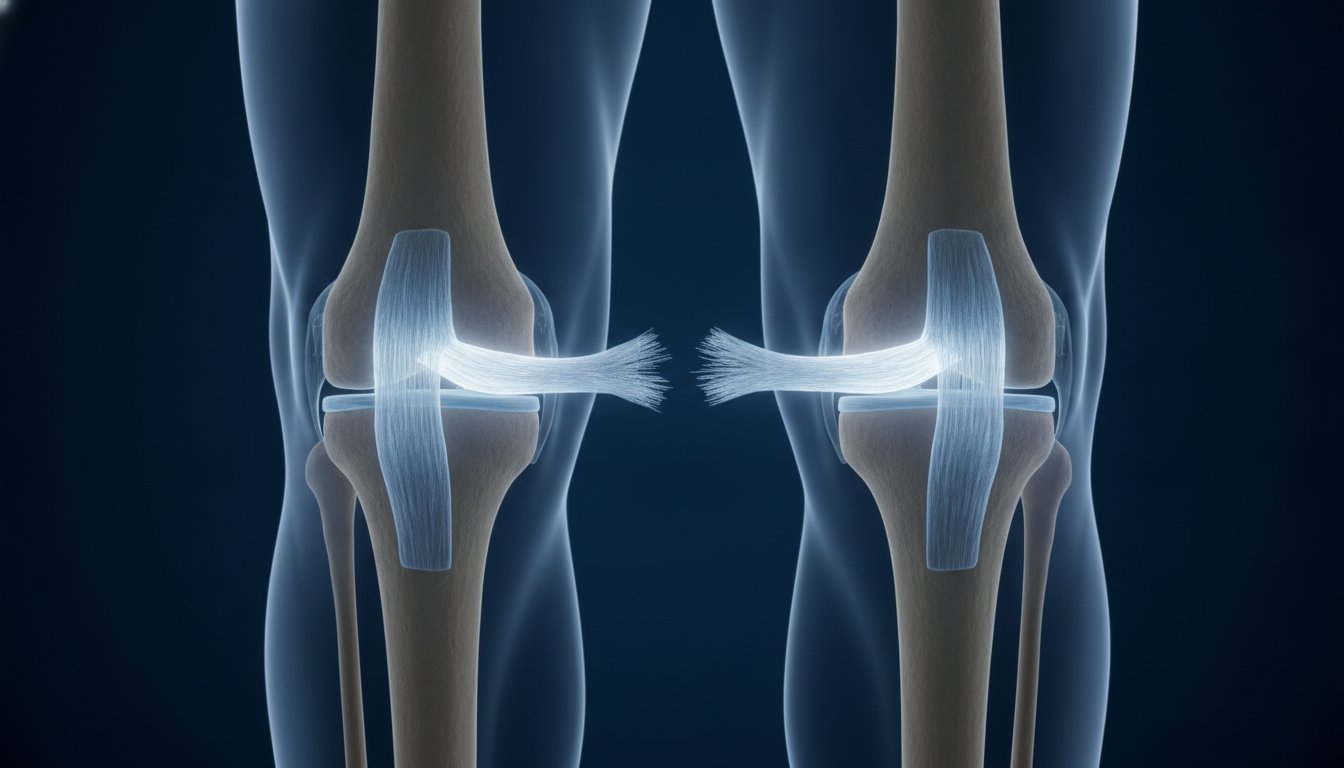
Ligament injuries are categorized by their severity, ranging from grade one sprains to grade three full-thickness tears. A full-thickness tear of the ACL doesn’t heal on its own because the synovial fluid in the joint prevents a stable blood clot from forming. Early intervention is critical. When the knee remains unstable, the femur can slide abnormally over the tibia, frequently causing secondary tears in the meniscus. For patients seeking to avoid traditional reconstruction, BEAR® Implant ACL Repair in New Jersey offers a modern alternative that facilitates the healing of your own ligament rather than replacing it with a graft.
Meniscus and Cartilage Preservation
In previous decades, the standard approach to a torn meniscus was often a total meniscectomy, or the removal of the damaged tissue. We now know that removing this vital cushion significantly increases the risk of early-onset arthritis. Modern orthopedic care has shifted toward meniscus repair whenever possible. By using minimally invasive arthroscopy, a knee injury specialist Clifton NJ can often suture the tear back together, preserving the joint’s natural shock absorption. Cartilage injuries, including those involving the articular surface, are diagnosed using high-resolution imaging and physical stress tests to determine if the joint requires “cleaning up” or a more intensive restorative procedure. If you’ve experienced a sudden “pop” followed by swelling, you should consult with a specialist to evaluate your options for joint preservation.
Stability isn’t just about the major ligaments. The Medial Collateral Ligament (MCL) and Lateral Collateral Ligament (LCL) are essential for maintaining the knee’s alignment during lateral movement. While many MCL injuries can be managed through specialized bracing and physical therapy, severe tears may require surgical repair to prevent chronic “giving way” of the joint. Similarly, chronic conditions like patellar tendonitis are addressed through a combination of alignment correction and targeted therapy to resolve pain without invasive intervention.
The BEAR® Implant: A Revolution for ACL Repair in Clifton
The introduction of the BEAR® (Bridge-Enhanced ACL Restoration) Implant represents a paradigm shift in how we approach ligament damage. For decades, the standard treatment for a torn ACL was reconstruction, a process where the damaged ligament is removed and replaced with a graft from the hamstring or patellar tendon. While effective for stability, this approach inherently involves harvesting healthy tissue from another part of the body, which can lead to long-term weakness at the donor site. A knee injury specialist Clifton NJ can now offer a restorative alternative that focuses on healing your own anatomy rather than replacing it with foreign or harvested tissue.
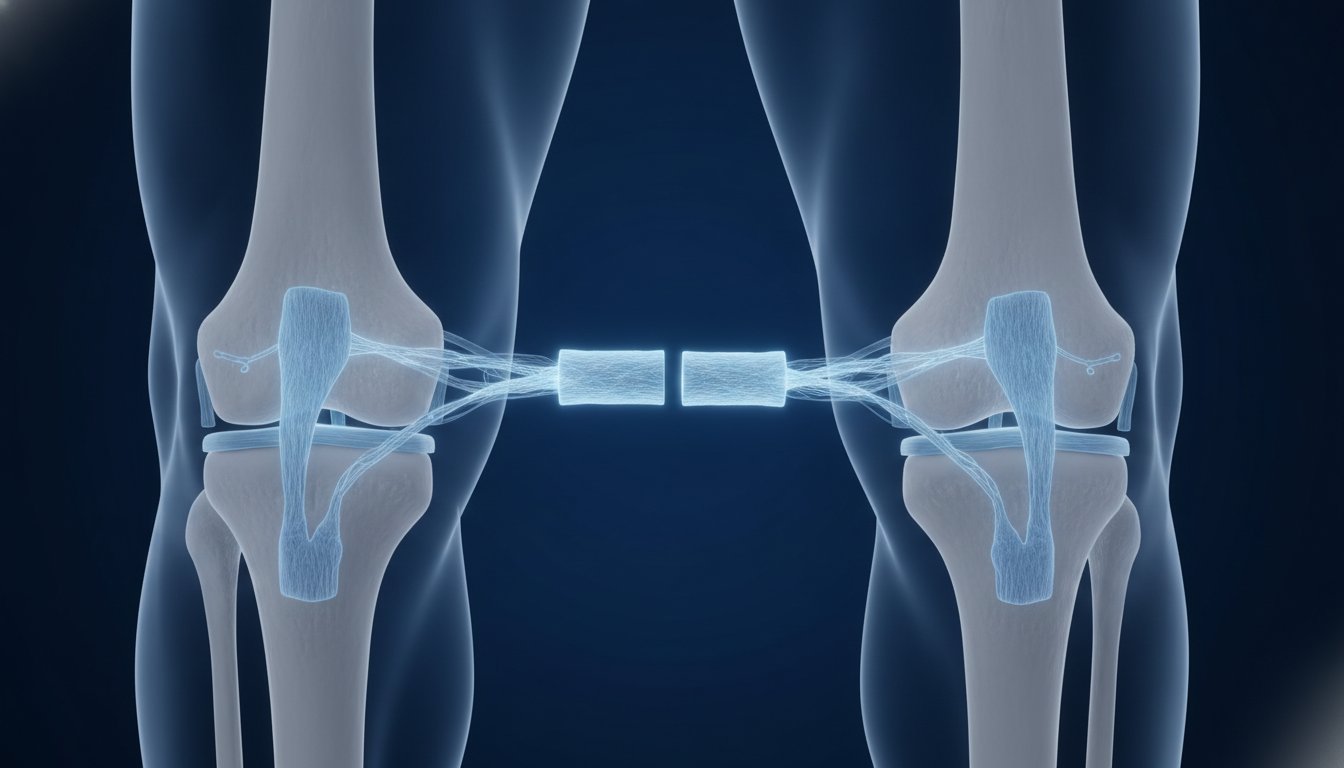
The BEAR® Implant is a bio-engineered sponge made from highly purified bovine collagen. During the procedure, the surgeon places the implant between the two ends of the torn ACL and saturates it with the patient’s own blood. This creates a protected environment that allows a stable clot to form, acting as a bridge for the ligament fibers to regrow across the gap. By the time the implant is absorbed by the body, typically within a few months, it’s been replaced by the patient’s own native ligament tissue. As of July 2026, nearly 10,000 patients have been treated with this technology, marking it as a proven milestone in regenerative orthopedics.
BEAR® Implant vs. Traditional ACL Reconstruction
Choosing between restoration and reconstruction involves several clinical considerations. Traditional surgery often leads to graft site morbidity, meaning patients may experience lingering pain where the tendon was harvested. Because the BEAR® procedure requires no graft, this secondary source of pain is eliminated. Additionally, preserving the native ligament helps maintain the knee’s natural proprioception, the “feel” or sense of joint position that’s often lost when the original nerve endings are removed during reconstruction. Clinical data updated in early 2026 even indicates that this approach carries a reduced risk of post-traumatic osteoarthritis compared to traditional hamstring autografts.
Candidacy for this procedure is specific. Patients must have an ACL stump still attached to the tibia, and the surgery is most successful when performed within 50 days of the initial injury. A knee injury specialist Clifton NJ will use advanced imaging to determine if your specific tear pattern is suitable for this “no-graft” repair.
Minimally Invasive Techniques in North Jersey
Modern orthopedic care in the Clifton area prioritizes tissue preservation through advanced arthroscopic methods. By utilizing high-definition cameras and specialized instruments, surgeons perform complex repairs through incisions no larger than a buttonhole. This approach significantly reduces post-operative pain and minimizes scarring, allowing for a faster transition into physical therapy. For those interested in the broader benefits of these methods, exploring a Minimally Invasive Orthopedic Surgery in NJ guide can provide deeper insight into how technology is shortening recovery times. This level of precision ensures that the surrounding healthy tissue remains undisturbed, which is a cornerstone of the specialized care provided to the North Jersey community.
What to Expect During Your Clifton Knee Consultation
Your initial visit to a knee injury specialist Clifton NJ is a methodical diagnostic journey. It begins with a comprehensive evaluation that extends far beyond a simple physical checkup. We prioritize understanding the exact mechanism of your injury and how it impacts your specific lifestyle. Whether you are a competitive athlete or someone focused on maintaining daily mobility, the consultation is designed to bridge the gap between your current physical limitations and your long-term performance goals. This structured approach ensures that every recommendation, from conservative therapy to advanced surgical intervention, is rooted in precise clinical data.
During the physical examination, we focus on joint stability, alignment, and range of motion. We often perform specialized provocative maneuvers, such as the Lachman test or the pivot-shift test, to assess the integrity of the ligaments. We also take the time to review your medical history and previous athletic achievements. Understanding your baseline activity level allows us to tailor a recovery plan that doesn’t just “fix” the injury but restores the specific functional capacity you need to return to your sport or profession.
Advanced Diagnostic Imaging
High-resolution imaging is the cornerstone of a modern orthopedic diagnosis. While X-rays provide a clear view of bone alignment and potential fractures, a high-quality MRI is essential for identifying subtle soft-tissue damage. This includes labral tears, meniscus fraying, or partial ligamentous disruptions that might not be visible on standard scans. We coordinate closely with local imaging centers in Clifton and Nutley to ensure we receive the most detailed views of your joint. Once the images are available, we use 3D knee models to explain our findings. This visual education helps you understand the structural issues at play and why a specific treatment path, such as the BEAR® Implant discussed earlier, may or may not be appropriate for your case.
Preparing for Your Appointment
To maximize the efficiency of your consultation, we recommend coming prepared with specific information and appropriate attire. You should bring any previous imaging discs or reports, a comprehensive list of current medications, and a summary of your symptoms. It’s helpful to describe your pain using specific descriptors: does the knee feel like it’s “giving way,” or do you experience a mechanical “locking” sensation? These details are vital clues for a specialist. We also suggest wearing comfortable clothing, such as athletic shorts, to allow for an unobstructed physical exam. For residents of Clifton, Nutley, and Passaic County, we can help clarify insurance and referral requirements to ensure your focus remains on your recovery. If you’re ready to take the first step toward a precise diagnosis, you can schedule your consultation with our board-certified team today.
The final stage of the consultation is the development of your customized treatment plan. This isn’t a one-size-fits-all recommendation. We weigh the benefits of physical therapy, bracing, and minimally invasive surgery against your personal goals and the clinical reality of your injury. Our objective is to provide a clear, evidence-based roadmap that gives you the confidence to move forward with your care.
Recovery and Returning to Sport in Passaic County
Recovery is a dynamic partnership between the patient, the physical therapist, and the knee injury specialist Clifton NJ. It isn’t a passive process that begins only after the anesthesia wears off. Modern orthopedic protocols now emphasize “pre-habilitation,” a strategic phase of strengthening and stabilization performed before a procedure. By improving quadriceps strength and joint mobility prior to surgery, patients often experience a more efficient transition into the early phases of post-operative healing. This proactive approach sets the foundation for a more predictable and robust recovery.
Immediately following a procedure, the clinical focus shifts toward managing inflammation and restoring basic range of motion. Controlling swelling is essential because excessive fluid in the joint can inhibit muscle activation, leading to rapid atrophy of the surrounding support structures. For athletes in Clifton and the surrounding Passaic County areas, this initial phase is about patience and precision. Rushing back to activity before the biological healing of native tissue or an implant is complete can jeopardize the structural integrity of the repair. We prioritize a safe, milestone-based progression over a strictly time-based one.
The Role of Physical Therapy
Effective rehabilitation requires seamless communication between your surgical team and your therapist. A knee injury specialist Clifton NJ maintains close coordination with rehabilitation professionals in Clifton and Nutley to monitor your progression through specific functional milestones. We utilize data-driven protocols to ensure that you aren’t just moving, but moving correctly. This collaborative oversight helps prevent compensatory patterns that could lead to secondary injuries. For those still evaluating their local care options, Choosing the Best Sports Medicine Clinic Near Montclair, NJ offers further guidance on identifying a facility that aligns with high-level athletic recovery standards.
Long-term Joint Health and Prevention
The ultimate objective of any intervention is to return you to your peak performance while safeguarding your joint for the future. This involves more than just fixing a current tear; it requires a focus on injury prevention techniques. We educate our patients on proper landing mechanics and neuromuscular control to reduce the risk of future ACL or meniscus damage. Additionally, maintaining a healthy weight is a clinical necessity to minimize the cumulative load on the knee joint over time. The best surgery is the one that prevents the need for a second one. By prioritizing native tissue preservation and biomechanical education, we help North Jersey athletes achieve a return to sport that is both safe and sustainable.
Restore Your Mobility with Advanced Knee Care
Achieving a successful recovery from a ligament or cartilage injury requires a commitment to both modern technology and specialized surgical skill. By choosing a knee injury specialist Clifton NJ, you gain access to tissue-preserving interventions like the BEAR® Implant, which prioritizes the healing of your native anatomy over traditional reconstruction methods. We’ve explored how a precise diagnosis, combined with a coordinated rehabilitation plan, can significantly reduce the risk of long-term joint complications such as post-traumatic osteoarthritis.
Our practice is led by a board-certified orthopedic surgeon and serves as a specialized BEAR® Implant provider for the North Jersey community. Conveniently located near Clifton and Nutley, we offer the clinical expertise and advanced minimally invasive techniques necessary to help you return to your active lifestyle with confidence. You don’t have to navigate your recovery journey alone; professional guidance is available to help you make informed decisions about your joint health.
Schedule Your Consultation with our Knee Specialist Today and take the first step toward a stronger, more stable future. We look forward to helping you get back to the activities you love.
Frequently Asked Questions
Who is the best knee injury specialist in Clifton, NJ for athletes?
The ideal specialist for an athlete is a board-certified orthopedic surgeon who holds sub-specialty training in sports medicine and minimally invasive techniques. This specific background ensures the practitioner understands the high-performance demands placed on the joint during competitive play. Our team provides this level of expert guidance near the Clifton border, focusing on restorative options that preserve your native anatomy. We emphasize a diagnostic process that aligns your treatment plan with your specific athletic goals.
What is the BEAR® Implant, and is it available in North Jersey?
The BEAR® Implant is a bio-engineered collagen sponge that facilitates the healing of your own native ACL. It is available in North Jersey through specialized providers at our Nutley-based practice. In January 2026, the FDA granted 510(k) clearance for an updated label, confirming a reduced risk of post-traumatic osteoarthritis compared to traditional hamstring autografts. Nearly 10,000 patients have now been treated with this innovative restorative technology, which avoids the need for harvesting tendon grafts.
Do I need surgery for a meniscus tear?
Surgery isn’t always the first choice for a meniscus tear; the decision depends on the tear’s location and your symptoms. Tears in the vascular “red zone” may heal with structured physical therapy and activity modification. However, if you experience mechanical symptoms like locking, catching, or persistent instability, a minimally invasive repair is often necessary. We prioritize repairing the meniscus whenever possible to maintain the joint’s natural shock absorption and prevent future degenerative changes.
How long is the recovery time for ACL surgery in 2026?
Recovery for ACL surgery in 2026 is a milestone-based journey that typically spans six to nine months for a full return to sports. Modern protocols focus on “pre-hab” to strengthen the knee before the procedure, which can lead to better post-operative outcomes. Whether you receive a traditional graft or a BEAR® Implant, your progress is monitored through functional testing. We ensure your strength and neuromuscular control are fully restored before clearing you for high-impact activity.
Can a knee specialist help with chronic arthritis pain without a replacement?
A knee specialist can effectively manage chronic arthritis pain through a variety of non-surgical interventions. These include specialized bracing, targeted physical therapy, and advanced anti-inflammatory injections. Our goal is to improve your quality of life and joint function while delaying or avoiding the need for a total joint replacement. By addressing the specific biomechanical stressors on your knee, we can often provide significant relief and help you maintain an active lifestyle without major surgery.
Is minimally invasive knee surgery better than traditional methods?
Minimally invasive surgery typically offers significant advantages over traditional open methods, including smaller incisions and less soft-tissue trauma. Using high-definition arthroscopic technology, a knee injury specialist Clifton NJ can visualize and repair joint damage with extreme precision. This methodology results in less post-operative discomfort and a faster return to functional movement. It’s the preferred approach for patients who want to minimize their recovery time and preserve their natural joint integrity as much as possible.
What should I look for in a board-certified orthopedic surgeon?
Prioritize a surgeon who holds board certification from the American Board of Orthopaedic Surgery, as this confirms they’ve met the highest national standards of surgical safety. You should also look for a knee injury specialist Clifton NJ who has specific expertise in modern, tissue-preserving procedures. A practitioner who is a dedicated community resource and coordinates directly with your physical therapist will ensure a seamless transition from the operating room back to your daily activities.