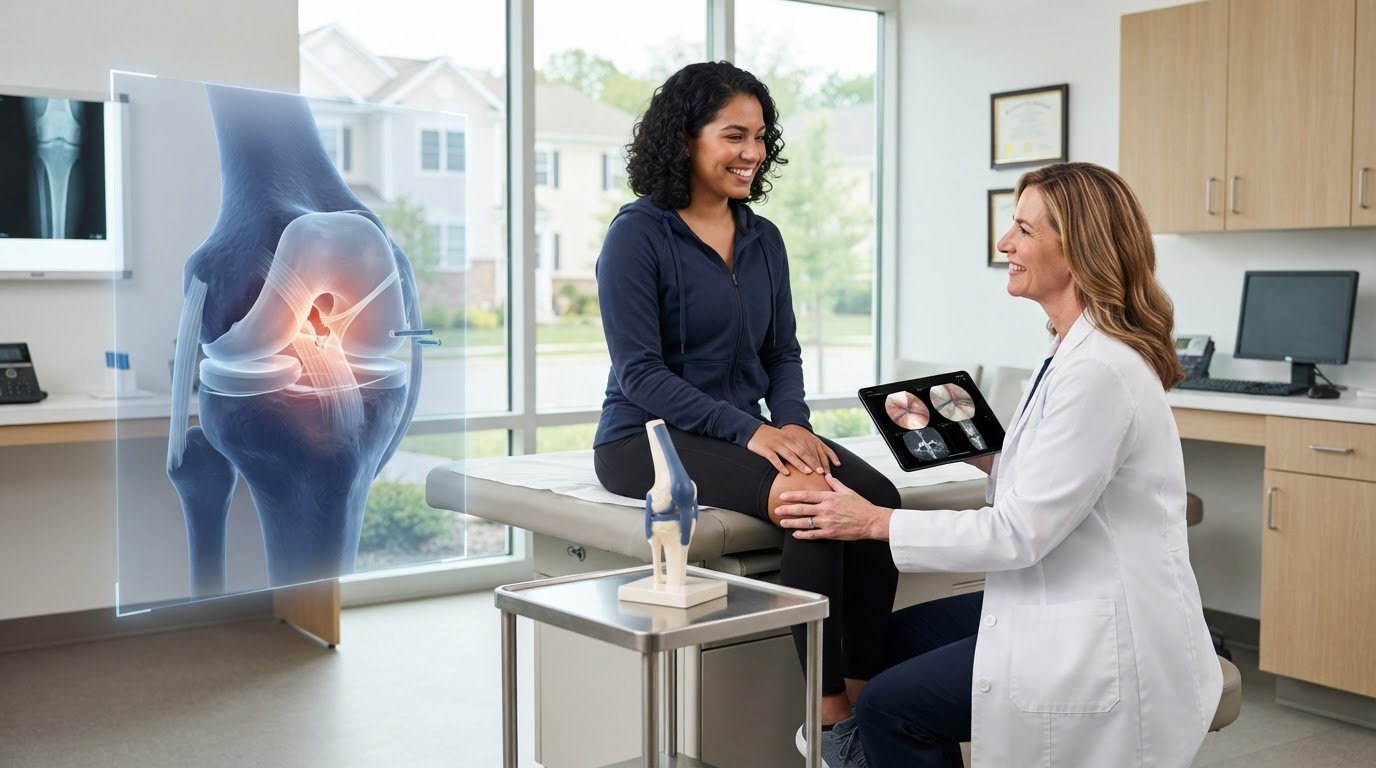
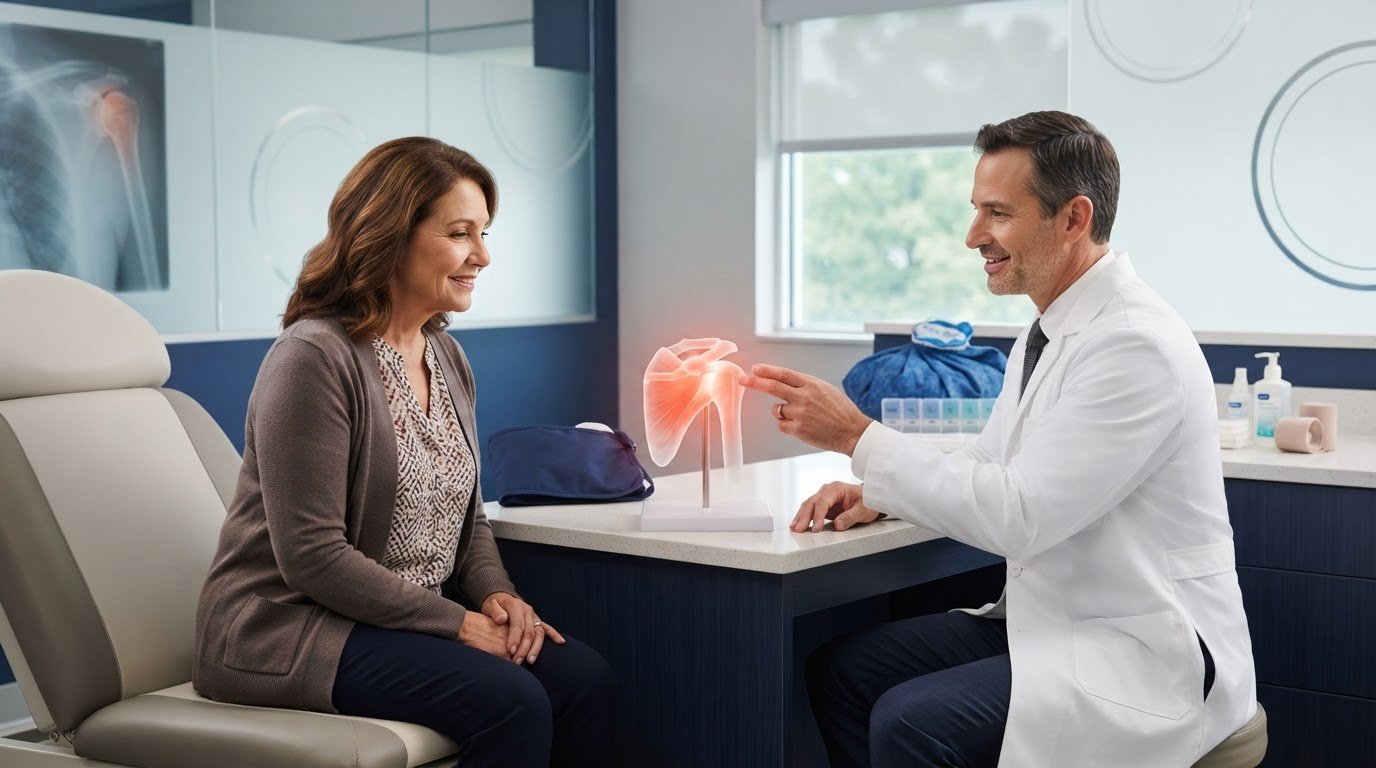
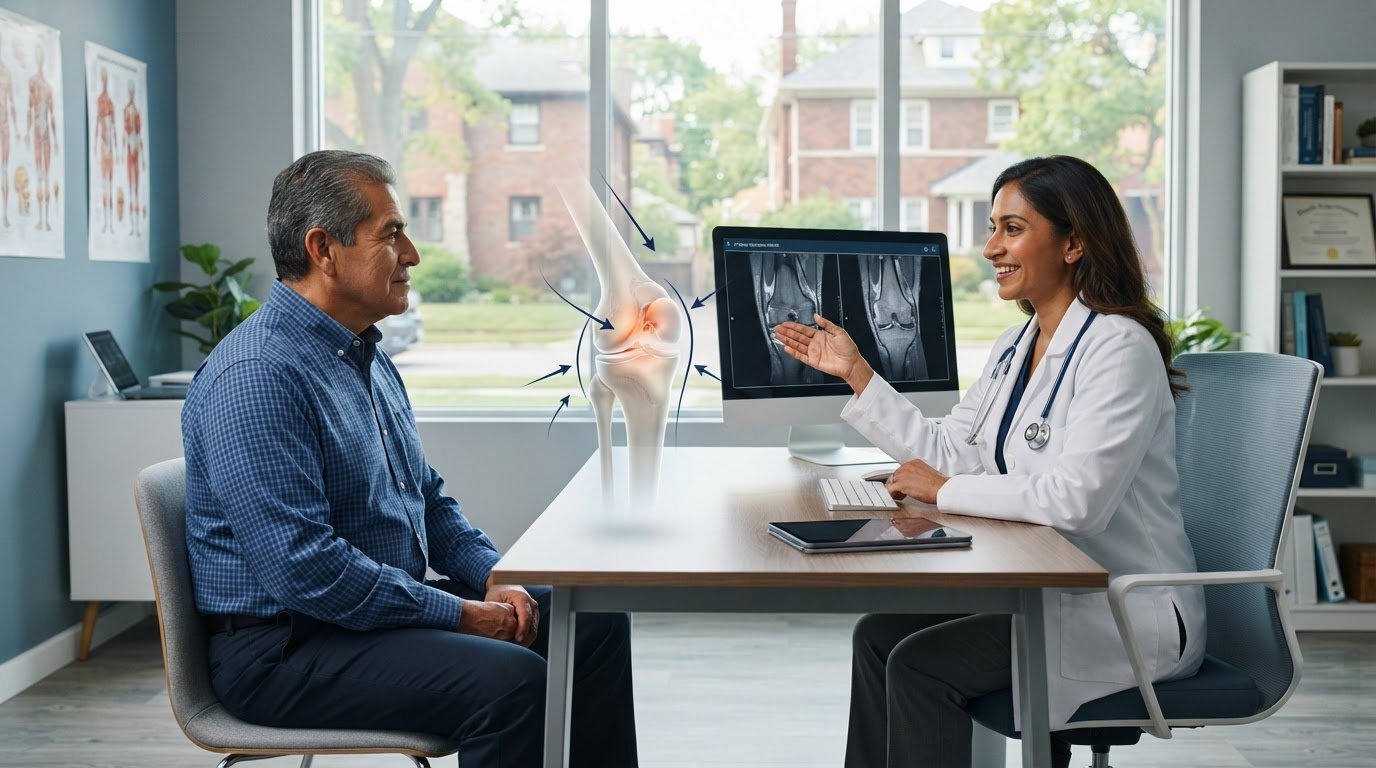
What if the path back to your morning run or weekend soccer match didn’t involve the months of grueling rehabilitation you’ve been fearing? For many athletes and active professionals, finding a meniscus tear specialist NJ is the first step toward resolving persistent pain, yet the prospect of surgery often brings more questions than answers. You might feel a deep sense of anxiety regarding long recovery times or worry that you’ll never regain your previous level of mobility. It’s a common concern, especially when you aren’t certain if a surgical intervention is even necessary for your unique condition.
We understand that your primary goal is a swift, safe return to your daily routine without sacrificing performance. This article demonstrates how a board-certified specialist in Nutley utilizes advanced, minimally invasive techniques and the BEAR® Implant to accelerate the healing process. We will look at how these modern interventions prioritize your long-term joint health while ensuring a faster return to the activities you love. By focusing on precision and the latest clinical advancements, you can move past the confusion and toward a customized recovery plan that fits your lifestyle.
Key Takeaways
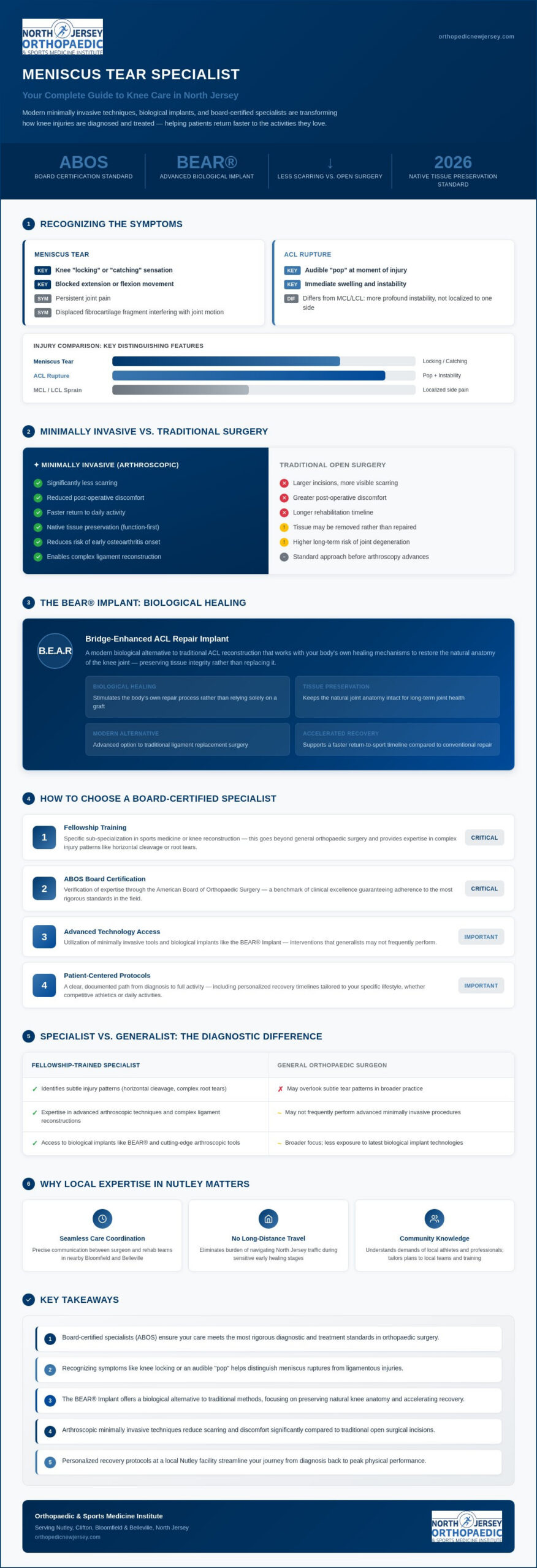
- Selecting a board-certified meniscus tear specialist NJ ensures your care meets the rigorous standards of the American Board of Orthopaedic Surgery for both diagnosis and treatment.
- Recognizing specific symptoms like knee locking or an audible “pop” helps you distinguish between meniscus ruptures and ligamentous injuries during your initial clinical consultation.
- Advanced interventions such as the BEAR® Implant offer a modern alternative to traditional methods, focusing on biological healing and preserving the natural integrity of your knee.
- Minimally invasive arthroscopic techniques provide a significant clinical advantage by reducing scarring and post-operative discomfort compared to traditional open surgical incisions.
- Personalized recovery protocols at a local Nutley facility streamline your journey from the diagnostic phase back to your peak physical performance.
Finding the Right Knee Injury Specialist in North Jersey
A knee injury specialist NJ represents a highly specialized intersection of orthopedic surgery and sports medicine. These practitioners don’t just address immediate pain; they analyze the intricate biomechanics of the joint to ensure long-term stability. In 2026, the standard of care has shifted decisively toward native tissue preservation. This means that instead of simply removing damaged tissue, a dedicated meniscus tear specialist NJ prioritizes repairs that keep your natural anatomy intact. This “function-first” philosophy ensures that every treatment plan is measured by its ability to return a patient to their specific lifestyle, whether that involves competitive athletics or daily walks through Nutley’s parks. Modern orthopedic care now views the preservation of Meniscus Tears as a critical factor in preventing the early onset of osteoarthritis.
Why Local Expertise Matters in Nutley and Clifton
Choosing a specialist in Nutley provides a distinct logistical advantage that often dictates the success of a recovery. Post-operative care requires frequent, precise communication between your surgeon and your rehabilitation team. By remaining local, patients benefit from a seamless coordination of care with physical therapy centers in nearby Bloomfield and Belleville. This proximity eliminates the burden of navigating North Jersey traffic during the sensitive early stages of healing. Local specialists also possess a nuanced understanding of the specific demands placed on our community’s active professionals and high school athletes. They understand the local sports landscape and can tailor recovery timelines to meet the specific expectations of local teams and training schedules.
Specialist vs. Generalist: The Diagnostic Difference
The diagnostic difference between a general orthopedic surgeon and a fellowship-trained specialist is found in the details. A meniscus tear specialist NJ is trained to identify subtle injury patterns, such as horizontal cleavage tears or complex root tears, which might be overlooked in a broader practice. Fellowship training in sports medicine provides an extra layer of expertise in arthroscopic techniques and complex ligament reconstructions. Additionally, board certification by the American Board of Orthopaedic Surgery (ABOS) serves as a benchmark of clinical excellence. It guarantees that your surgeon adheres to the most rigorous standards in the field, utilizing modern interventions that generalists may not frequently perform. For complex knee reconstructions, this level of specialization is non-negotiable for achieving a stable, long-lasting result.
When evaluating a potential surgeon, consider the following clinical priorities:
- Fellowship Training: Specific sub-specialization in sports medicine or knee reconstruction.
- Board Certification: Verification of expertise through the ABOS.
- Advanced Technology: Utilization of minimally invasive tools and biological implants like the BEAR® Implant.
- Patient-Centered Protocols: A clear, documented path from diagnosis to full activity.
Common Conditions: From Meniscus Tears to ACL Injuries
A ruptured meniscus often manifests as a distinct mechanical disruption within the knee joint. Patients frequently report sensations of “locking” or “catching,” where the knee feels physically blocked during extension or flexion. These symptoms occur when a displaced fragment of the fibrocartilage interferes with the smooth gliding motion of the femur against the tibia. While pain is a primary indicator, these mechanical obstructions are pathognomonic for a tear that may require professional intervention. Beyond the meniscus, other conditions like patellar instability and chronic tendonitis also present significant challenges to joint health, often resulting from repetitive strain or underlying anatomical malalignment.
Distinguishing between various ligamentous injuries is vital for an accurate diagnosis. For instance, an ACL rupture is typically characterized by an audible “pop” at the moment of injury, followed by immediate swelling and a profound sense of instability. This differs from MCL or LCL sprains, which usually present as localized pain on the inner or outer aspects of the knee without the same degree of rotational “giving way.” A meniscus tear specialist NJ utilizes these clinical distinctions to differentiate between acute sports-related trauma and degenerative wear. Degenerative tears often develop gradually in older patients, appearing as a fraying of the tissue rather than a clean break, requiring a nuanced approach to comprehensive knee evaluation.
Understanding the Meniscus Tear Specialist NJ Approach
The clinical priority for a meniscus tear specialist NJ is the preservation of native tissue whenever possible. The decision between a meniscus repair, which involves suturing the torn edges, and a meniscectomy, which removes the damaged portion, depends on the tear’s location and blood supply. Practitioners look for specific “red flags,” such as a “bucket-handle” tear that causes the knee to remain in a locked position, as these often necessitate urgent surgical attention. By integrating physical examinations with high-resolution imaging, specialists can determine the most effective meniscus tear treatment options for each patient’s specific pathology.
Ligamentous Integrity and Joint Stability
Joint stability is the cornerstone of preventing long-term complications like post-traumatic arthritis. For athletes in the Nutley and Clifton area, the ACL provides critical rotational stability during pivoting and cutting maneuvers. Modern orthopedic standards emphasize native ligament preservation and anatomic reconstruction to restore the knee’s natural kinematics. Maintaining this stability isn’t just about returning to the field; it’s about protecting the cartilage and meniscus from the abnormal shearing forces that occur in an unstable joint. This proactive mindset ensures that the knee remains functional and pain-free well into the future.
- Acute Tears: Often involve sudden twisting and mechanical locking.
- Degenerative Tears: Result from age-related wear and may present with chronic aching.
- ACL Injuries: Identified by a “pop” and significant joint effusion.
- Collateral Ligaments: Typically present with side-to-side instability and localized tenderness.
Minimally Invasive Procedures vs. Traditional Knee Surgery
Traditional open knee surgery often requires large incisions, significant tissue disruption, and a lengthy rehabilitation period. In contrast, modern arthroscopic portals allow a meniscus tear specialist NJ to access the joint through incisions roughly the size of a fingernail. This precision significantly reduces post-operative pain, minimizes visible scarring, and lowers the risk of surgical site infection. By utilizing specialized fiber-optic cameras and micro-instruments, the surgeon can address the underlying Meniscal Tear Causes and Risk Factors without disturbing the surrounding healthy structures. This approach to minimally invasive orthopedic surgery NJ fundamentally alters the recovery roadmap, allowing for faster mobilization and a reduced reliance on post-operative pain medication.
The BEAR® Implant: Native Ligament Healing
Traditional ACL reconstruction typically requires a graft harvest from the patient’s own hamstring or patellar tendon, which can sometimes lead to donor-site pain or weakness. The BEAR implant ACL repair New Jersey offers a revolutionary alternative by focusing on restoration rather than replacement. This technology utilizes a bovine-derived collagen sponge that is placed between the torn ends of the ACL. The sponge acts as a biological scaffold, facilitating the body’s natural ability to heal its own native ligament. Clinical data suggests that preserving the native ligament may lead to better long-term joint kinematics and a more natural feel during high-impact sports. It represents the new gold standard for patients who prioritize biological healing over traditional synthetic or autograft reconstruction.
Arthroscopic Meniscus Repair Techniques
When a tear occurs in the “red zone” of the meniscus where blood supply is most abundant, a meniscus tear specialist NJ will prioritize repair over removal. Specialized “inside-out” and “all-inside” suturing techniques allow the surgeon to secure the fibrocartilage with extreme precision. These minimally invasive tools ensure that as much healthy cartilage as possible is preserved, which is critical for the joint’s long-term shock absorption capabilities. Patients often experience a significantly faster return-to-work timeline because the surgical trauma is localized to the specific area of injury. Precision in these techniques is essential for maintaining the knee’s natural cushioning and preventing the early onset of degenerative changes.
The clinical benefits of a minimally invasive approach include:
- Reduced Tissue Trauma: Smaller incisions mean less disruption to muscles and tendons.
- Faster Rehabilitation: Patients often begin physical therapy sooner than with open surgery.
- Preserved Anatomy: Techniques like the BEAR® Implant keep your natural ligaments intact.
- Outpatient Convenience: Most arthroscopic procedures allow you to return home the same day.
Criteria for Selecting a Board-Certified Orthopedic Surgeon
Selecting a meniscus tear specialist NJ requires more than a simple search; it demands a thorough vetting of professional credentials. The American Board of Orthopaedic Surgery (ABOS) maintains rigorous standards that ensure a surgeon possesses the clinical knowledge and surgical skill necessary for high-level care. This certification isn’t a one-time event but a continuous commitment to excellence and ethical practice. For patients facing complex knee pathologies, partnering with a board certified orthopedic surgeon NJ provides a layer of security that their treatment aligns with the most current medical evidence. Fellowship training in Sports Medicine is equally non-negotiable, as it provides the specialized sub-focus required to master intricate knee reconstructions and ligament repairs.
Evaluating Surgical Volume and Experience
Experience is directly correlated with patient outcomes. When interviewing a potential meniscus tear specialist NJ, it’s appropriate to inquire about their annual surgical volume, specifically regarding advanced procedures like BEAR® repairs or complex meniscal suturing. Surgeons who perform these procedures frequently tend to have lower complication rates and more refined technical skills. In 2026, the best specialists are those who actively integrate the latest orthopedic innovations into their practice, ensuring that patients benefit from the most advanced biological treatments available. Hospital affiliations with respected institutions in the Belleville and Nutley areas further validate a surgeon’s standing within the local medical community and provide access to high-tier surgical facilities.
The Patient-Centered Consultation
Your initial visit to a Nutley knee specialist sets the tone for your entire recovery journey. A high-quality consultation should feel like a collaborative diagnostic process rather than a rushed appointment. You should expect a transparent discussion regarding both surgical and non-surgical options, where the surgeon clearly outlines the risks and benefits of each path. Effective communication is a hallmark of an expert practitioner. They must be able to translate complex medical data into actionable guidance that fits your specific lifestyle goals. This professional transparency is critical for building the trust necessary to navigate a successful post-operative rehabilitation plan. To make the most of your appointment, reviewing a comprehensive orthopedic consultation Nutley NJ checklist can help you arrive prepared with the right records, questions, and goals.
When selecting your surgeon, verify the following credentials:
- ABOS Certification: Confirms the surgeon has met national standards for orthopedic excellence.
- Fellowship Training: Indicates an additional year of specialized study in sports medicine and knee surgery.
- Local Affiliations: Ensures the surgeon operates at reputable hospitals in the Nutley or Belleville area.
- Innovation Adoption: Look for practitioners who utilize 2026-standard biological implants and minimally invasive tools.
To ensure your knee health is in the hands of a dedicated expert, schedule a consultation with our board-certified team today.
Expert Knee Care at The Orthopaedic & Sports Medicine Institute
The Orthopaedic & Sports Medicine Institute stands as the premier destination for specialized knee care in the Nutley and Clifton corridor. Our practice bridges the gap between high-level surgical innovation and patient-centered empathy. As a meniscus tear specialist NJ, we don’t just perform procedures; we manage the entire spectrum of your recovery. This involves a seamless integration of advanced technology, such as the BEAR® Implant, with personalized protocols designed for your specific anatomy. We maintain active communication with a network of local physical therapy partners to ensure your post-operative progress is steady and safe. This collaborative mindset is essential for restoring the joint’s natural function and getting you back to the activities that define your lifestyle. Our team is committed to transparency, ensuring you understand every step of the diagnostic and surgical process.
Milestone-Based Recovery Protocols
Traditional recovery models often focus on the number of weeks since surgery. We believe this is an incomplete metric. When navigating the return to sport after ACL surgery, our team utilizes functional-based milestones. We test for specific strength ratios, balance, and agility before clearing a patient for higher levels of activity. This approach is particularly valuable for active residents in Lyndhurst, Kearny, and Verona who need to know their knee can handle the stresses of their specific sport. By focusing on objective data rather than a calendar, we minimize the risk of re-injury and ensure a more resilient outcome. Every athlete’s body responds differently to healing, which is why a personalized, data-driven timeline is superior to a generic one.
Your Next Steps: Consulting a Knee Injury Specialist NJ
Taking the first step toward recovery involves a thorough diagnostic evaluation. When preparing for your consultation in Nutley, it’s helpful to organize your medical history and any previous imaging results. Many patients seek us out for a second opinion to confirm a meniscus or ACL diagnosis, seeking the clarity that only a board-certified meniscus tear specialist NJ can provide. This process allows you to explore all available options, including the latest minimally invasive techniques. If you are looking for a sports injury doctor Kearny NJ, our facility offers the comprehensive resources needed to address your pain and instability. Your journey back to mobility starts with a clear, evidence-based plan tailored to your unique physical needs and long-term health goals.
Our commitment to your recovery includes:
- Personalized Consultations: A deep dive into your symptoms and activity goals.
- Advanced Diagnostics: Utilizing high-resolution imaging to pinpoint the exact pathology.
- Collaborative Rehab: Direct coordination with local physical therapists for seamless care.
- Evidence-Based Surgery: Utilizing 2026-standard techniques for tissue preservation.
Restore Your Mobility with Advanced Knee Care
Your journey from a painful injury back to an active lifestyle depends on the precision of your initial diagnosis and the sophistication of your treatment plan. By prioritizing native tissue preservation and utilizing minimally invasive arthroscopic techniques, modern orthopedic care ensures that your recovery is as efficient as possible. Whether you are dealing with a complex ligament rupture or seeking a meniscus tear specialist NJ, the clinical focus remains on restoring your joint’s natural kinematics and long-term stability.
The Orthopaedic & Sports Medicine Institute has served Nutley, Clifton, and the broader North Jersey community for over a decade. Our board-certified orthopedic surgeon specializes in the latest clinical advancements, including the revolutionary BEAR® Implant for ACL repair. We don’t just treat symptoms; we provide a structured, milestone-based path back to the activities you love. It’s time to take control of your recovery with a team that values both innovation and patient-centered results.
Schedule a Consultation with our Nutley Knee Specialist to begin your personalized recovery journey. We’re ready to help you regain your strength and confidence with every step you take.
Frequently Asked Questions
How do I know if I need a knee specialist or just physical therapy?
You typically need a knee specialist if you experience mechanical symptoms like locking, clicking, or an inability to fully straighten your leg. While physical therapy is a foundational component of recovery, it cannot always resolve structural tears. A meniscus tear specialist NJ can determine if your injury requires surgical repair or if a guided rehabilitation program is sufficient. If pain persists after four to six weeks of conservative treatment, a clinical evaluation is necessary.
What are the first signs of a serious meniscus tear that require a surgeon?
The first signs of a serious tear include persistent swelling and a “locked” joint that prevents normal movement. These symptoms often indicate a fragment of the meniscus is physically obstructing the joint’s mechanics. You should consult a surgeon if you experience significant joint line tenderness or if the knee feels unstable during weight-bearing activities. These mechanical issues usually require a professional assessment to prevent further damage to the articular cartilage.
Is the BEAR® Implant available for all types of ACL tears in NJ?
The BEAR® Implant is designed for primary repair of specific ACL tear patterns, particularly mid-substance tears. It isn’t a universal solution for every ligament injury. To qualify for this biological restoration, the surgery must typically occur within 50 days of the initial injury while the native tissue is still viable. A specialized consultation will determine if your specific tear pattern and injury timeline make you a candidate for this advanced technology.
How long is the recovery time for minimally invasive knee surgery?
Recovery timelines depend on the specific procedure performed during the arthroscopic surgery. For a simple partial meniscectomy, patients often return to light activities within two to three weeks. However, a complex meniscus repair requires a more deliberate approach, often involving four to six weeks of protected weight-bearing. Full restoration of athletic performance usually takes several months as the tissue heals and strength is rebuilt through structured physical therapy.
Does a knee injury specialist NJ typically accept major insurance plans?
Most established orthopedic practices in the Nutley area accept a wide range of major insurance plans. As a board-certified meniscus tear specialist NJ, our office prioritizes accessibility for local residents. It’s always advisable to verify your specific coverage details with your provider before your appointment. Our administrative team can assist in confirming your benefits to ensure your focus remains on your clinical recovery rather than financial logistics.
Can a meniscus tear heal on its own without surgical intervention?
A meniscus tear’s ability to heal depends largely on its location within the joint. Tears in the “red zone,” which has a robust blood supply, have a higher chance of healing with conservative management. Conversely, tears in the “white zone” lack sufficient blood flow for natural repair and often require surgical intervention. A specialist uses high-resolution imaging to identify the tear’s location and determine the likelihood of a non-surgical recovery.
What should I bring to my first orthopedic consultation in Nutley?
You should bring your actual imaging discs, such as MRI or X-ray files, along with the written radiologist reports to your first visit. Providing the physical images allows the surgeon to conduct their own detailed analysis of the joint’s pathology. Additionally, bring your insurance information and a concise list of your symptoms and functional goals. This preparation ensures your consultation is thorough and focused on creating an effective treatment roadmap. For a complete overview of what to expect and how to prepare, our orthopedic consultation Nutley NJ preparation guide walks you through every step of the process.
How soon can I return to sports after a meniscus repair procedure?
Return to sport following a meniscus repair usually occurs between four and six months post-surgery. This timeline is necessary to allow the sutured fibrocartilage to heal completely before it’s subjected to the high-impact forces of pivoting or jumping. We utilize functional testing to ensure your strength and stability are sufficient for your specific sport. Rushing this process increases the risk of re-injury, so we prioritize a milestone-based approach over a strict calendar.