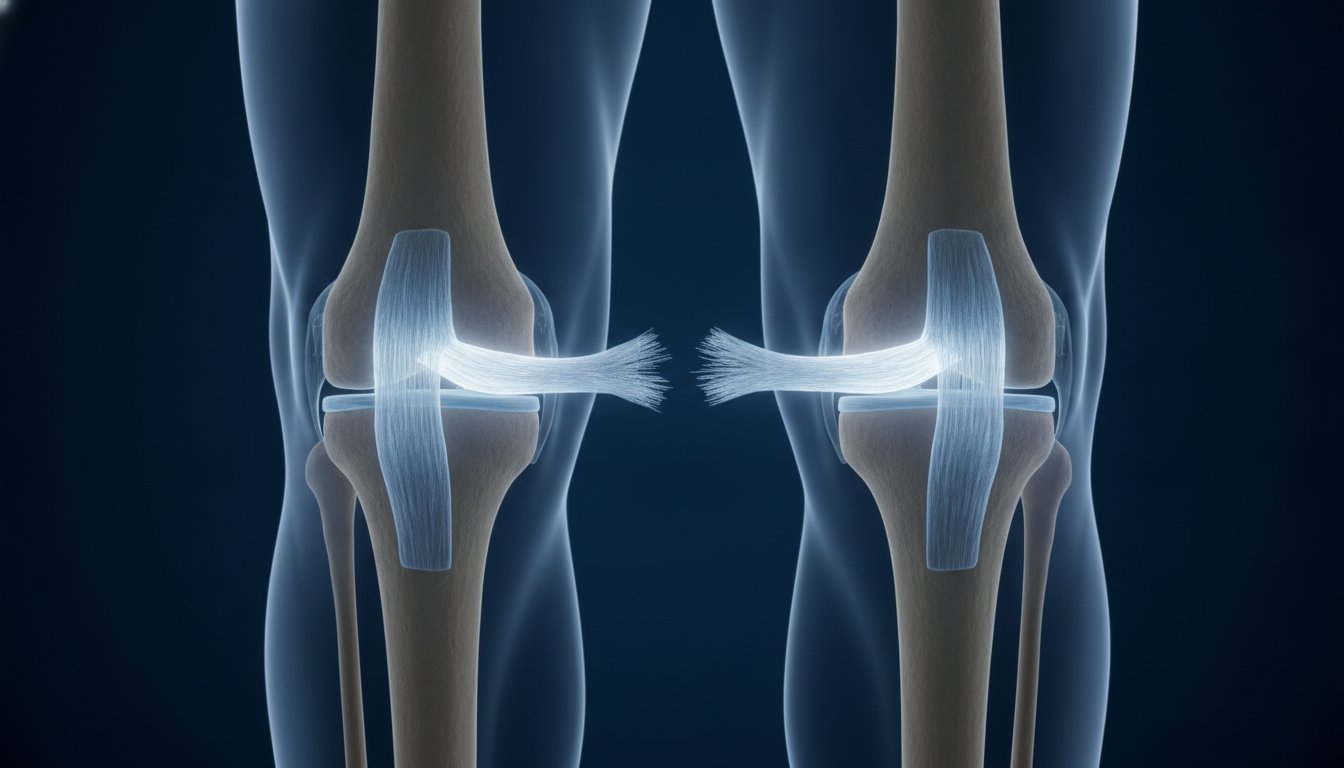
What if the most effective way to repair your knee wasn’t to replace your damaged ligament, but to empower your body to heal itself? For many active individuals in our community, the prospect of surgery feels like a difficult trade-off between long-term stability and months of grueling rehabilitation. You might find yourself watching neighbors jog through Riverside County Park while you remain sidelined by persistent pain, or perhaps you’ve stepped away from your local sports league due to a valid fear of muscle atrophy. Modern advancements in minimally invasive knee surgery Rutherford NJ are fundamentally changing this narrative by prioritizing sophisticated tissue preservation over aggressive replacement.
We understand that your primary goal is a swift return to your professional and personal responsibilities without the burden of extensive scarring or a heavy reliance on post-operative pain medication. This guide explores the transition from traditional reconstruction to biologic restoration, specifically focusing on how the BEAR® Implant and muscle-sparing techniques protect your native anatomy. You’ll discover how these precise, board-certified interventions maintain your knee’s natural proprioception and offer a statistically lower risk of future osteoarthritis. By utilizing a diagnostic mindset and cutting-edge technology, it’s possible to accelerate your recovery and return to the active North Jersey lifestyle you deserve.
Key Takeaways
- Understand how minimally invasive knee surgery Rutherford NJ utilizes muscle-sparing techniques to protect the quadriceps tendon and accelerate your return to daily activities.
- Explore the mechanics of the BEAR® Implant, a breakthrough in ACL repair that focuses on biologic restoration of your native ligament rather than traditional grafting.
- Examine the clinical advantages of smaller surgical footprints, which typically result in reduced post-operative discomfort and a decreased reliance on pain medication.
- Learn what to expect during a diagnostic evaluation in Nutley, including how MRI imaging and physical assessments determine your eligibility for advanced knee procedures.
- Discover why Rutherford athletes and active adults choose board-certified specialists who bridge the gap between traditional medicine and modern, less disruptive surgical alternatives.
What is Minimally Invasive Knee Surgery?
Minimally invasive knee surgery is more than a technique; it’s a surgical philosophy that prioritizes the preservation of your body’s natural anatomy. While many patients focus on the cosmetic benefit of smaller scars, the true value lies beneath the skin. This approach minimizes disruption to the soft tissues and muscles that stabilize the joint. By avoiding the detachment of the quadriceps tendon and preserving native ligaments, surgeons can maintain the knee’s structural integrity throughout the procedure. This is why minimally invasive knee surgery Rutherford NJ is now considered the gold standard for North Jersey sports medicine.
The precision of these procedures relies on high-definition arthroscopic cameras and specialized instrumentation. These tools allow a board-certified surgeon to visualize the internal structures of the knee with greater clarity than a traditional open incision provides. Minimally invasive surgery involves working through small portals, which reduces trauma to the surrounding area and significantly lowers the risk of post-operative complications. It’s a sophisticated method that bridges the gap between established medical wisdom and the future of specialized orthopedic care.
The Evolution of Knee Procedures
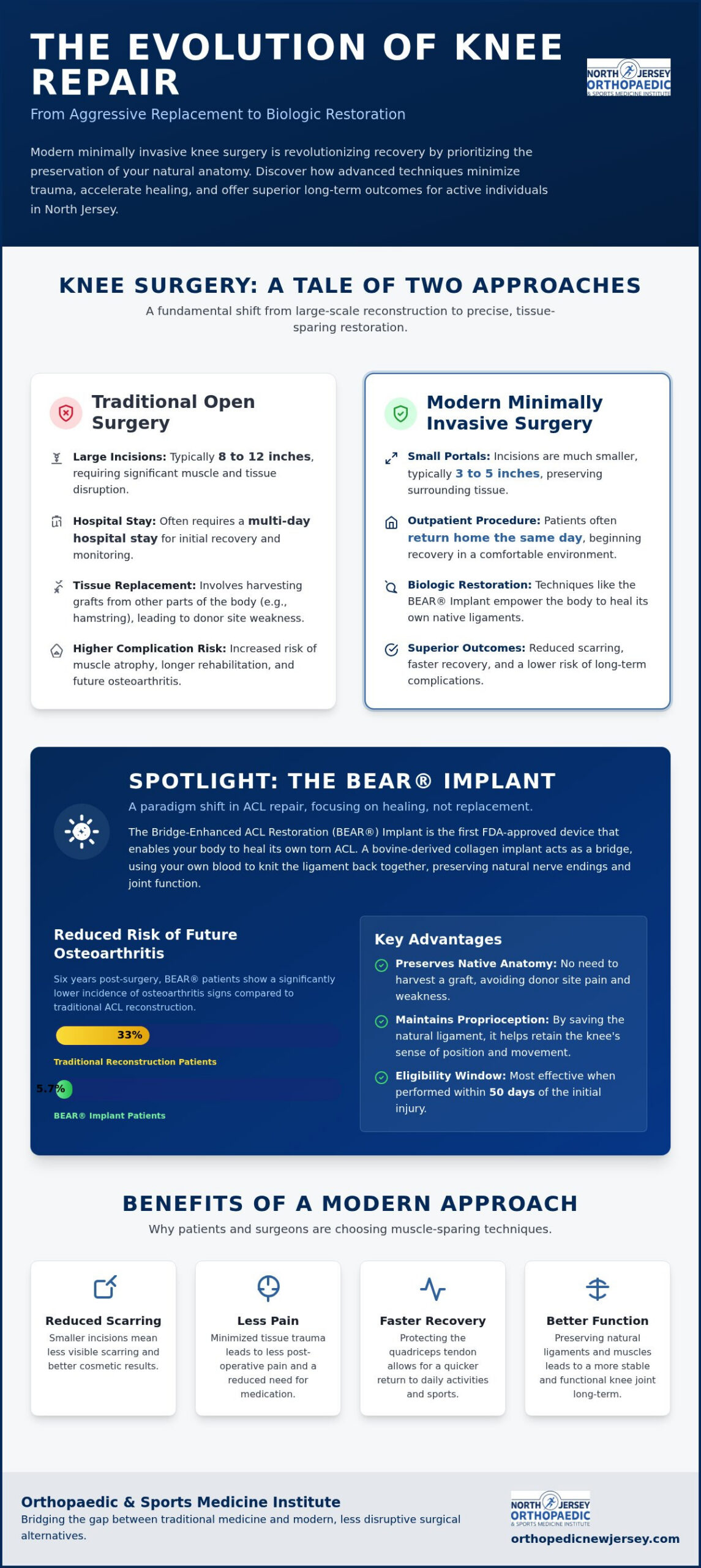
Orthopedic care has transitioned from large open incisions, often measuring 8 to 12 inches, to precise, targeted portals. Modern techniques typically require incisions of only 3 to 5 inches. Digital imaging and real-time guidance allow for higher accuracy during repair, ensuring that only the damaged tissue is addressed. This shift has moved many complex knee repairs from multi-day hospital stays to efficient outpatient procedures. Patients often return home the same day, which is a critical factor for those eager to resume their Rutherford lifestyle without the burden of a long hospital recovery.
Common Conditions Treated Near Rutherford
Our Nutley facility frequently addresses conditions that impede daily mobility and athletic performance. Meniscus tears are common, often presenting as a locking or catching sensation during movement. We also specialize in treating ACL and ligament ruptures, which affect approximately 400,000 individuals in the U.S. annually. These injuries are particularly prevalent among local high school athletes and participants in amateur sports leagues. Traditional reconstruction re-tear rates can be as high as 20% for teenagers, making modern, less disruptive techniques even more vital. Additionally, we provide advanced interventions for early-onset knee arthritis. This condition can make simple tasks, such as walking through Riverside County Park, increasingly difficult without specialized, professional guidance.
Advanced Techniques: From BEAR® Implant to Arthroscopy
The surgical landscape is shifting from aggressive replacement to biological restoration. For patients seeking minimally invasive knee surgery Rutherford NJ, this means access to procedures that prioritize your native anatomy. Unlike traditional total knee surgeries that remove significant portions of bone and ligament, modern techniques focus on precision and preservation. This approach is particularly evident in how we handle ACL injuries and localized cartilage damage. By targeting only the affected areas, we reduce the overall trauma to the joint and facilitate a more efficient healing process.
BEAR® Implant: A New Standard for ACL Repair
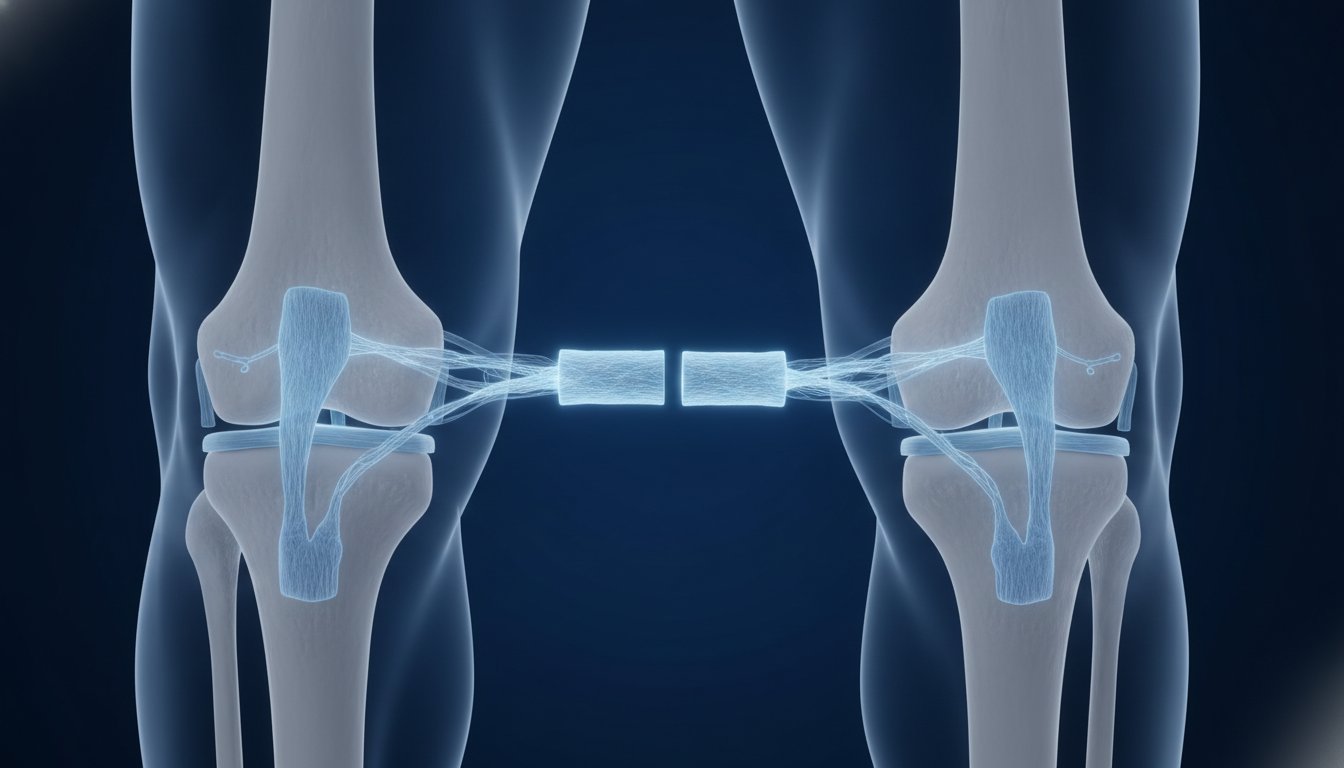
The BEAR® (Bridge-Enhanced ACL Restoration) Implant represents a paradigm shift in sports medicine. The BEAR® Implant is the first FDA-approved medical device to enable healing of a torn ACL. Instead of harvesting a graft from your hamstring or patella tendon, which can lead to long-term weakness at the donor site, this bovine-derived collagen implant acts as a bridge. It allows your own blood and cells to knit the torn ends of the ligament back together. To be eligible, patients must typically undergo the procedure within 50 days of the injury while a sufficient ACL stump remains. Research indicates that six years post-surgery, only 5.7% of BEAR® patients show signs of osteoarthritis, compared to 33% of those who underwent traditional reconstruction. This biologic restoration preserves the natural nerve endings in the knee, maintaining superior proprioception and a more natural feel during movement.
Arthroscopic Innovation in North Jersey
Arthroscopic innovation has transformed how we manage meniscus tears and cartilage damage. By using high-definition cameras the size of a pencil, we can diagnose and treat joint issues through tiny portals simultaneously. For a simple arthroscopic meniscectomy, the recovery timeline is significantly shorter than a full reconstruction, often allowing patients to return to light activity within weeks. Localized expertise is essential for this process. Having a specialist near Lyndhurst and Rutherford ensures that your post-operative milestones are monitored closely by the same team that performed the procedure. If you are experiencing locking or persistent swelling, you can schedule a diagnostic evaluation to determine if you are a candidate for these advanced techniques.
When arthritis is confined to a single compartment of the knee, a partial replacement is often the superior choice. This procedure spares the healthy bone and ligaments in the other compartments, resulting in a joint that moves more naturally than a total replacement. It is a targeted solution for early-onset arthritis that keeps you active without the extensive trauma of traditional surgery. This commitment to tissue preservation is the cornerstone of minimally invasive knee surgery Rutherford NJ, ensuring that your recovery is as seamless as possible.
Minimally Invasive vs. Traditional Knee Surgery
The distinction between traditional and minimally invasive approaches is defined by the degree of disruption to healthy tissue. In a traditional knee procedure, a surgeon typically creates an incision ranging from 8 to 12 inches. This large opening is necessary because the standard technique involves cutting through the quadriceps tendon to gain full visibility of the joint. In contrast, minimally invasive knee surgery Rutherford NJ utilizes a specialized subvastus or midvastus approach. This allows the surgeon to work around or between the muscles rather than through them. By utilizing incisions of only 3 to 5 inches, we significantly limit the surgical footprint and protect the vital stabilizers of the knee.
The anatomical benefits of sparing the quadriceps tendon are immediate. Because the primary muscle responsible for leg extension remains intact, patients often experience superior knee stability during the initial stages of mobilization. This preservation also leads to a marked reduction in blood loss and a lower risk of post-operative infection. Clinical data suggests that patients undergoing a Minimally Invasive Total Knee Replacement or repair report lower pain scores in the days following surgery. This often results in a decreased requirement for narcotic pain medication, allowing for a clearer and more comfortable transition into rehabilitation.
The Recovery Timeline Comparison
The differences in recovery milestones are stark. Traditional surgery usually requires a multi-day hospital stay to monitor pain and wound healing. Many minimally invasive procedures are performed on an outpatient basis or require only a 24-hour observation period. Patients can often return to driving and light daily activities within two to four weeks, whereas traditional methods may sideline an individual for two months or more. Physical therapy for these patients focuses on immediate range of motion and functional gait training rather than spending weeks overcoming the trauma of a severed muscle.
Long-Term Outcomes and Durability
While the initial recovery is faster, the long-term durability of the repair remains a priority. Research indicates that minimally invasive techniques provide equivalent, and in some cases superior, long-term stability compared to open procedures. Preserving native tissue is also a strategic choice for future joint health. Rutherford patients often prioritize these methods because they maintain the greatest amount of healthy bone and ligament. This provides essential “revision flexibility” later in life, ensuring that if a secondary procedure is ever needed decades down the line, the surgeon has a more robust anatomical foundation to work with. This forward-thinking approach ensures that your immediate recovery doesn’t come at the expense of your future mobility.
Are You a Candidate for Muscle-Sparing Knee Procedures?
Determining your eligibility for muscle-sparing techniques begins with a comprehensive physical and diagnostic assessment. At our Nutley facility, a board-certified specialist evaluates your knee stability and active range of motion to understand the functional impact of your injury. While many patients in Rutherford desire the fastest possible recovery, the choice between traditional and advanced approaches depends on anatomical specifics identified through high-resolution MRI. This imaging allows us to visualize the integrity of your ligaments and the extent of any cartilage damage. It’s a diagnostic process that ensures the surgical plan aligns with your long-term mobility goals.
Active Rutherford residents are often ideal candidates for minimally invasive knee surgery Rutherford NJ because their pre-injury muscle tone supports a faster post-operative transition. Whether you are a member of a local sports league or an avid walker in Riverside County Park, your lifestyle factors into our decision-making. However, medical history remains a primary consideration. Traditional surgery might still be necessary for individuals with severe joint deformities, complex revision cases, or certain systemic health conditions that require a broader surgical field. Our goal is to provide the most effective intervention that balances safety with a rapid return to your daily routine.
Specific Criteria for the BEAR® Implant
Timing is a critical factor in biologic restoration. To utilize the BEAR® Implant, the procedure must typically occur within 50 days of the initial injury. This window exists because the native ACL stump must still be viable to facilitate healing. If the tissue has retracted or scarred excessively, traditional reconstruction might be the more reliable path. We primarily target the active demographic in North Jersey, including high school athletes and adults who don’t want to sacrifice their performance levels. If you’re ready to discuss your options, you can request a consultation with our board-certified team.
Preparing for Your Consultation
When you arrive for your orthopedic appointment near Bloomfield, bring any recent imaging discs and a detailed history of your symptoms. Preparation allows for a more thorough discussion about tissue preservation and your specific recovery milestones. Ask your surgeon about the specific muscle-sparing approach they recommend and how it preserves your natural proprioception. Regarding financial considerations, most major insurance providers in New Jersey now cover advanced techniques like the BEAR® Implant. The billing codes often match traditional reconstruction, which simplifies the approval process and ensures your focus remains on rehabilitation rather than administrative hurdles.
Expert Knee Care Near Rutherford: Why Choose Our Institute?
Selecting a specialist for minimally invasive knee surgery Rutherford NJ requires a clinical partner who understands both the local athletic culture and the specific physical demands of a North Jersey lifestyle. Our institute, located in Nutley, serves as a primary resource for patients from Rutherford, Clifton, and Kearny. We combine board-certified surgical expertise with a dedicated focus on the latest orthopedic advancements. This ensures that every patient receives a diagnostic experience that’s both thorough and medically precise. While we’re leaders in surgical innovation, our patient-centered approach always prioritizes non-surgical interventions first. We only transition to surgical solutions when conservative treatments fail to restore your desired quality of life.
Our facility is one of the few in the region providing specialized access to the BEAR® Implant. This is a critical advantage for local athletes who wish to avoid the donor-site morbidity and long-term weakness often associated with traditional graft harvesting. By focusing on biologic restoration, we bridge the gap between established medical practices and the future of orthopedic care. We believe that your surgical experience should be as minimally disruptive as possible, allowing you to maintain your anatomical integrity while pursuing a full recovery.
A Localized Approach to Orthopedic Recovery
We provide an integrated care model that follows you from the initial diagnostic imaging through your final physical therapy recommendations. Our commitment to the Rutherford community extends beyond the clinic; we actively support local sports programs and understand the specific injury patterns common in high school and amateur leagues. This specialized knowledge allows us to tailor recovery timelines to the specific sports and activities you love. To gain a deeper understanding of our specialized methodology, you can read our comprehensive guide to minimally invasive orthopedic surgery NJ.
Schedule Your Evaluation Today
Booking a consultation for your knee pain or injury is a straightforward process designed to respect your time and provide immediate clarity. During your first visit to our Nutley office, you’ll undergo a detailed physical assessment and a comprehensive review of your medical history. We’ll discuss your MRI results and determine if you meet the specific criteria for muscle-sparing procedures. If you’ve recently suffered an ACL injury, remember that the window for certain biologic repairs is time-sensitive. You can explore more about this modern standard in our guide on BEAR® implant ACL repair New Jersey.
Our administrative team is also available to help you understand your insurance benefits. As of June 2026, most major insurance providers in New Jersey cover the BEAR® Implant and its associated rehabilitation costs. We believe in transparency and education, ensuring you have all the information necessary to make a confident decision about your health. Don’t let persistent knee pain dictate your lifestyle; professional, specialized guidance is available right here in your community. Whether you’re aiming to return to work or get back on the field, we’re here to guide your journey to recovery with precision and care.
Restore Your Mobility with Precision Orthopedic Care
The transition from traditional surgical replacement to modern biologic restoration represents a significant advancement for patients facing joint injuries. By prioritizing the preservation of your native ligaments and utilizing muscle-sparing approaches, you can achieve a faster return to the activities that define your Rutherford lifestyle. These techniques don’t just reduce immediate post-operative trauma; they protect the natural mechanics of your knee for years to come. Whether you’re considering the BEAR® Implant for an ACL tear or a targeted arthroscopic procedure for cartilage damage, the focus remains on empowering your body to heal itself.
Choosing minimally invasive knee surgery Rutherford NJ means placing your trust in a board-certified specialist who values both clinical excellence and patient-centered empathy. At our Nutley facility, we provide the specialized expertise and advanced technology required to navigate your recovery journey with confidence. It’s time to move past the limitations of knee pain and rediscover your physical potential. Schedule Your Minimally Invasive Knee Consultation in Nutley Today and take the first step toward a more active, pain-free future. We look forward to helping you regain the strength and stability you need to thrive.
Frequently Asked Questions
Is minimally invasive knee surgery as effective as traditional surgery?
Minimally invasive knee surgery is clinically proven to be as effective as traditional methods while offering superior tissue preservation. Long-term studies indicate equivalent joint stability and durability. By maintaining the natural tension of the quadriceps tendon, minimally invasive knee surgery Rutherford NJ often results in a knee that feels more natural during movement than traditional, more disruptive reconstruction techniques.
How long is the recovery for a minimally invasive knee procedure?
Recovery for a minimally invasive knee procedure is typically much faster than open surgery, with many patients returning to light activity within two to four weeks. While traditional surgeries often require multi-day hospital stays, these advanced techniques are frequently performed on an outpatient basis. Your specific timeline depends on your adherence to rehabilitation and the complexity of the repair performed by your board-certified specialist.
Will I have a scar after minimally invasive knee surgery?
You’ll have much smaller, less noticeable scars compared to the 8 to 12 inch incisions required for traditional surgery. Most minimally invasive knee surgery Rutherford NJ procedures utilize incisions of only 3 to 5 inches. In the case of arthroscopic repairs, the scars are limited to small, portal-sized marks that fade significantly over time, allowing for a more aesthetic result following your procedure.
Does insurance cover the BEAR® Implant or minimally invasive techniques?
Most major insurance providers in New Jersey cover the BEAR® Implant and minimally invasive techniques when medically necessary. As of June 2026, the billing codes for these procedures are generally consistent with traditional ACL reconstruction or joint repair. Our Nutley office provides administrative support to help you verify your specific coverage and navigate the prior authorization process with your insurance provider.
Can I walk immediately after minimally invasive knee surgery?
Most patients can begin weight-bearing activities with assistance on the same day as their surgery. Because the muscle-sparing approach doesn’t involve cutting the quadriceps tendon, you’ll likely experience better initial stability than traditional patients. However, you’ll typically use crutches or a brace for a short period to protect the surgical repair as your native tissue begins the biological healing process.
What are the risks of minimally invasive knee surgery compared to open surgery?
The risks of minimally invasive surgery are significantly lower regarding blood loss and post-operative infection. Smaller incisions mean less exposure to environmental contaminants and less trauma to the surrounding soft tissue. While all surgical procedures carry some risk of anesthesia complications or nerve irritation, the focused nature of these techniques minimizes the overall impact on your systemic health and recovery.
How do I know if I am a candidate for the BEAR® Implant near Rutherford?
You can determine your eligibility for the BEAR® Implant through a diagnostic consultation at our facility near Rutherford. Candidates must typically undergo the procedure within 50 days of their injury and have a sufficient ACL stump remaining for the implant to act as a bridge. A high-resolution MRI is the primary tool used to confirm these anatomical requirements during your professional evaluation.
Do I need physical therapy after a minimally invasive procedure?
Physical therapy is a vital component of the recovery process to ensure optimal range of motion and joint function. While the surgery addresses the structural damage, therapy helps you regain strength and functional gait without overstressing the healing tissue. Your specialist will provide a tailored rehabilitation plan that focuses on progressive mobilization and a safe return to your active North Jersey lifestyle.