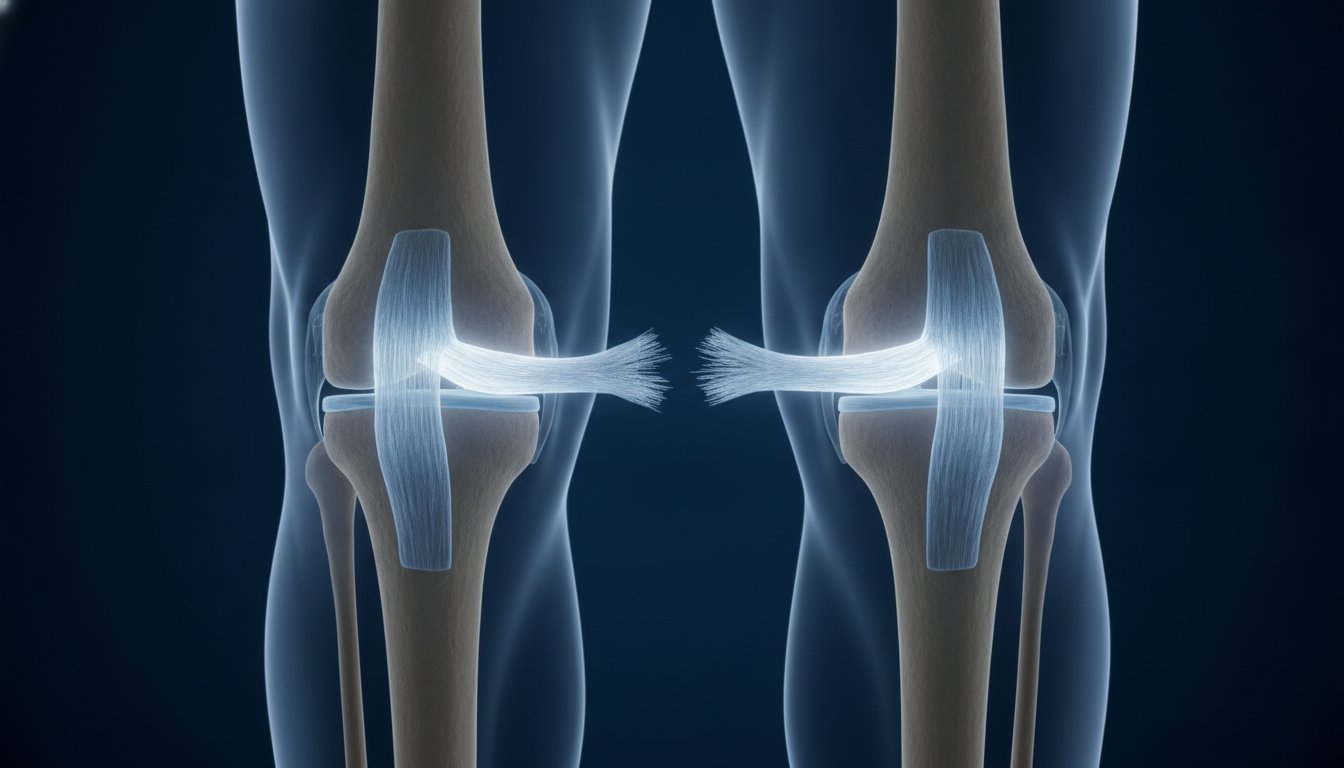
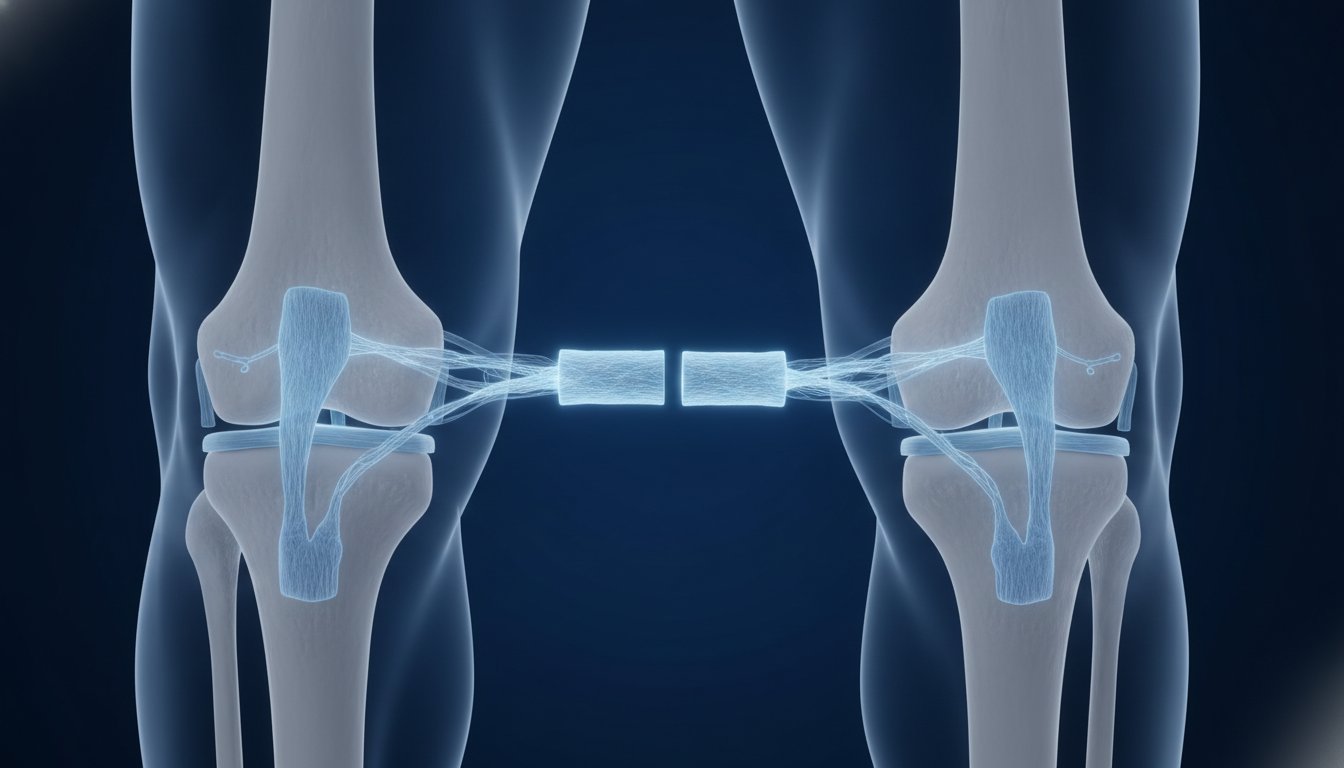
Every hour you spend unable to lift your leg or keep your knee from buckling isn’t just a sign of a tear; it’s a countdown toward permanent muscle atrophy that no amount of physical therapy can fully reverse without surgical intervention. It’s deeply unsettling to feel your leg give way under your own weight, and the anxiety surrounding a potential long-term disability is a heavy burden to carry. You’re likely facing a difficult choice between surgical and non-surgical paths while wondering if you’ll ever walk normally again. Finding an expert patellar tendon repair surgeon NJ is the first step toward reclaiming your independence and stability through precise, specialized care.
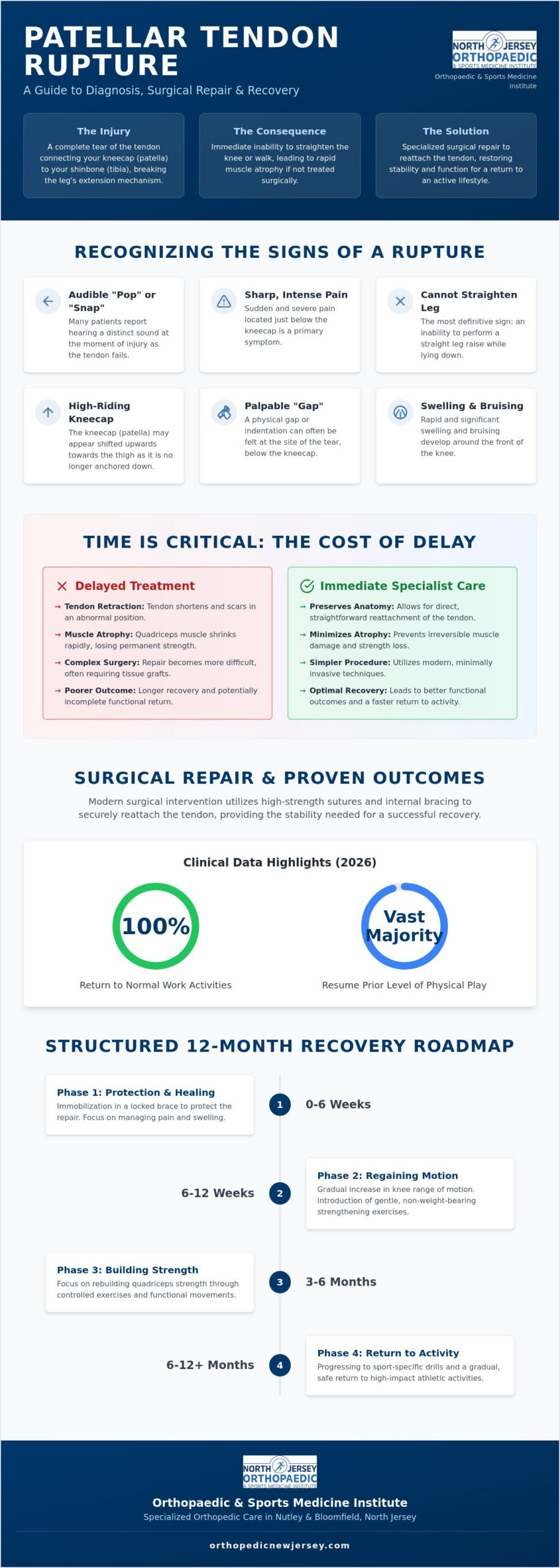
By choosing a board-certified specialist who utilizes modern, minimally invasive techniques, you can achieve the successful reattachment needed to restore full knee extension. Clinical data from 2026 indicates that with proper surgical intervention, 100% of patients return to their normal work activities, while a vast majority resume their prior level of physical play. This article will guide you through the advanced surgical options available in Nutley, the specific benefits of suture anchor repair, and the personalized recovery roadmap designed to get you back to your active lifestyle in North Jersey.
Key Takeaways
- Learn why the patellar tendon is the critical bridge for knee extension and how its disruption fundamentally compromises your ability to stand or walk.
- Identify the definitive clinical signs of a complete rupture, such as the palpable “gap test” and the immediate loss of the straight leg raise function.
- Explore the advanced techniques a patellar tendon repair surgeon NJ uses to reattach the tendon, including the integration of high-strength sutures and internal bracing.
- Understand the structured 12-month rehabilitation timeline required to rebuild quadriceps strength and safely return to high-impact athletic activity.
- Discover the advantages of receiving specialized, board-certified orthopedic care within the Nutley and Bloomfield communities rather than impersonal hospital systems.
Understanding Patellar Tendon Ruptures: Why You Need a Specialist
The patellar tendon is the robust, fibrous tissue that serves as the essential bridge between the patella, or kneecap, and the tibia, also known as the shinbone. This structure is the final link in the extensor mechanism. It’s a sophisticated system where the quadriceps muscles exert force through the patella to straighten the leg. The patellar tendon is the primary transmitter of force from the thigh to the lower leg; without it, the mechanical chain of the knee is fundamentally broken.
When a Patellar tendon rupture occurs, the severity of the injury depends on the extent of the tissue damage. A partial tear involves fraying of the tendon fibers, where some structural integrity remains intact. In contrast, a complete rupture represents a total separation of the tendon from the bone or a mid-substance break. Distinguishing between these two is vital because their treatment paths differ significantly. While a partial tear might respond to immobilization, a complete rupture is often viewed as a surgical priority.
Delaying treatment for a total rupture creates a cascade of secondary issues. Because the quadriceps muscle is no longer anchored to the shin, it naturally pulls the kneecap upward toward the hip. This displacement leads to tendon retraction, where the tissue begins to scar and shorten in an abnormal position. Simultaneously, the lack of tension causes rapid muscle shrinkage, or atrophy. Once these changes occur, a delayed repair becomes significantly more complex, often requiring grafts rather than a straightforward reattachment. This is why immediate consultation with a specialist is necessary to preserve the original anatomy.
The Critical Role of the Patellar Tendon in Mobility
This tendon is what allows you to perform high-impact movements such as kicking, jumping, or climbing stairs. When the “tether” is broken, the kneecap loses its anchor and floats freely. Without this connection, your quadriceps can’t stabilize the joint or extend the lower leg against gravity. This mechanical failure is why patients experience the characteristic knee buckling during simple weight-bearing activities. Restoring this tension is the only way to regain the explosive power needed for athletic performance.
Why Choosing a Patellar Tendon Repair Surgeon in NJ Matters
Time is your most valuable asset following an acute tendon injury. Selecting a dedicated patellar tendon repair surgeon NJ ensures you have immediate access to specialized expertise in Nutley or Bloomfield. Local care allows for seamless coordination with North Jersey imaging centers, ensuring that diagnostic MRI results are reviewed by your surgical team without delay. Since the post-operative recovery involves months of intensive monitoring, choosing a community-based expert reduces the burden of travel. This proximity is vital for the frequent follow-ups required to adjust your range-of-motion brace and ensure the repair is healing at the precise tension required for long-term success.
A successful recovery also depends on the health of your entire lower limb; to ensure your feet and ankles are providing the necessary support during rehabilitation, check out Local Foot Doc.
Recognizing the Signs: When to Seek a Knee Surgeon in Nutley
The moment a patellar tendon ruptures, the physical evidence is usually immediate and unmistakable. Many patients in Nutley report hearing an audible “pop” or “snap” at the time of injury, which is often followed by a sharp, intense pain just below the kneecap. This sound is the result of the high-tension fibers of the tendon failing under stress. Identifying these symptoms early and consulting a patellar tendon repair surgeon NJ becomes a matter of urgency to ensure the best possible functional outcome.
A complete Patellar Tendon Tear results in a total loss of the knee’s locking mechanism. The most definitive sign of this failure is the inability to perform a straight leg raise while lying down. Because the connection between the quadriceps and the shinbone is severed, the patient cannot lift their foot off the ground with a straight knee. Additionally, you may notice a physical deformity known as “patella alta,” where the kneecap appears to be “high-riding” or shifted toward the thigh because it’s no longer anchored to the tibia.
Beyond the loss of movement, acute swelling and bruising quickly develop in the area directly below the patella. A palpable “gap” or soft spot can often be felt where the tendon used to be. While the pain may initially be overwhelming, it’s the profound instability that typically drives patients to seek emergency evaluation. If you’re experiencing these signs, obtaining a professional assessment from a specialist with orthopedic expertise is the most reliable way to confirm the diagnosis and plan your intervention.
Common Causes of Tendon Tears in North Jersey Athletes
High-impact sports like basketball and football, which are prevalent in North Jersey high school and adult leagues, are common environments for these injuries. These ruptures frequently occur during an “eccentric load,” which happens when the quadriceps muscle is forcefully contracting while the tendon is being stretched, such as landing from a jump or pivoting suddenly. A specialized patellar tendon repair surgeon NJ can also evaluate your risk factors, including a history of chronic patellar tendonitis or previous steroid injections, which can weaken the tissue over time and predispose it to a complete rupture during routine activity.
The Buckling Phenomenon: Why Your Knee Fails
The core issue behind a ruptured tendon is the total absence of tension in the quadriceps mechanism. Without this tension, the knee cannot support your body weight, leading to the “buckling” phenomenon where the joint simply gives way when you attempt to stand or walk. This isn’t just a matter of pain; it’s a mechanical failure of the joint’s primary stabilizer. Fortunately, modern minimally invasive orthopedic surgery NJ can address these joint stability issues by re-establishing the anatomical connection, allowing the extensor mechanism to function properly once again.
Diagnosis and Evaluation: What to Expect at Our NJ Institute
Confirming a suspected tendon rupture requires a methodical clinical approach. When you visit a patellar tendon repair surgeon NJ, the evaluation begins with a precise physical examination focused on the integrity of your knee’s extensor mechanism. We specifically look for a palpable “gap” directly below the patella, which indicates the tendon has physically separated from its anatomical anchor. This physical finding, combined with your injury history, provides the first clear evidence of a significant rupture.
The straight leg raise test remains the gold standard for diagnosing a complete tear. During this assessment, you’ll be asked to lift your leg while keeping the knee locked in an extended position. If the tendon is fully severed, this movement is mechanically impossible. It’s also vital to differentiate these injuries from quadriceps tendon tears, which occur above the kneecap. While both injuries disrupt your ability to walk, their surgical repair techniques and anatomical considerations are distinct.
We also perform a thorough review of your systemic medical history. Certain pre-existing conditions, such as rheumatoid arthritis or chronic renal failure, are known to weaken collagen structures and increase the risk of Acute Patellar Tendon Ruptures. Understanding these underlying factors allows us to tailor your surgical plan and optimize the biological environment for tendon-to-bone healing.
Imaging Protocols: MRI and X-ray
Diagnostic imaging provides the roadmap for your surgical intervention. We utilize X-rays primarily to identify “patella alta,” a condition where the kneecap sits abnormally high due to the loss of downward tension from the tendon. X-rays also help us rule out avulsion fractures, where the tendon has pulled a fragment of bone away from the shinbone. While X-rays show bone position, only an MRI can confirm the exact location of a tendon tear and the quality of the surrounding soft tissue. This high-resolution visualization is essential for determining if the tear is at the bone-tendon interface or within the mid-substance of the tissue.
Preparing for Your Orthopedic Consultation in Nutley
To ensure a comprehensive evaluation during your visit, we recommend reviewing our orthopedic consultation Nutley NJ guide. Arriving prepared helps us move quickly toward a treatment decision. Please bring any imaging discs from previous emergency room visits, a current list of medications, and a specific timeline of your symptoms. A board-certified evaluation is the most critical step in obtaining surgical clearance, as it ensures that both your knee and your overall health are ready for the repair and subsequent rehabilitation.
Patellar Tendon Repair Procedure and Recovery Timeline
Surgical intervention is the definitive method for restoring the mechanical integrity of the knee following a complete rupture. Your patellar tendon repair surgeon NJ performs this procedure by meticulously reattaching the torn tissue to its anatomical origin on the patella. This is typically achieved using heavy-duty, non-absorbable sutures passed through micro-drill holes in the kneecap or secured with high-strength suture anchors. Modern protocols often incorporate “internal bracing,” a technique where a high-strength tape is placed alongside the repair to act as a secondary stabilizer. This internal support protects the biological healing of the tendon, allowing for a more stable environment during the early stages of rehabilitation.
Most tendon repairs are performed as outpatient procedures under regional anesthesia, such as a spinal block or nerve block, combined with sedation. This approach ensures significant post-operative pain control while allowing you to return home the same day. Upon discharge, your knee will be protected by a rigid immobilizer, and you’ll utilize crutches to maintain the specific weight-bearing restrictions necessary for initial graft security. If you’re ready to discuss a surgical plan that prioritizes your long-term mobility, we encourage you to schedule a consultation with our surgical team today.
The First 6 Weeks: Protection and Healing
Protection is the primary objective during the first six weeks of recovery. The initial 14 days focus on wound healing and edema management. While your surgeon may allow for toe-touch or partial weight-bearing with the brace locked in extension, the most critical restriction is the avoidance of “active extension.” Attempting to lift the leg using the quadriceps muscle can place excessive stress on the suture line, risking a failure of the repair before the tendon has biologically bonded to the bone. Strict adherence to these early protocols is essential for preventing the need for revision surgery.
Weeks 6-12 and Beyond: Restoring Range of Motion
As you enter the second phase of recovery, the focus shifts toward restoring range of motion. Your rigid immobilizer is typically replaced with a hinged knee brace, which is gradually unlocked to allow for controlled bending. This is the stage where formal physical therapy in Nutley or Clifton becomes essential. Rebuilding the quadriceps requires a progressive strengthening program to reverse the atrophy that occurs immediately following the rupture. Most patients can return to driving between weeks 8 and 12, provided they have regained sufficient muscle control, while a full return to high-impact sports typically occurs between 6 and 12 months post-surgery.
Minimally Invasive Advancements
Advancements in surgical technology have transitioned these repairs from traditional large-incision surgeries to more refined, tissue-sparing procedures. By utilizing smaller incisions and specialized suture anchors, we reduce disruption to the surrounding blood supply and minimize postoperative scarring. Our expertise in these advanced techniques extends across various tendon pathologies, including arthroscopic rotator cuff repair NJ, ensuring that every patient benefits from modern, precision-based orthopedic care.
Expert Patellar Tendon Repair at The Orthopaedic & Sports Medicine Institute
The Orthopaedic & Sports Medicine Institute serves as a specialized resource for patients facing the life-altering impact of a tendon rupture. Choosing an experienced patellar tendon repair surgeon NJ is about more than just the technical reattachment of tissue; it’s about securing a comprehensive recovery plan designed by a board-certified expert. Our practice focuses on complex knee and sports injuries, providing the high-level precision typically found in large academic centers but within a focused, community-based setting. This specialized focus is essential for navigating the complexities of the knee’s extensor mechanism and ensuring a successful long-term outcome.
Our patient-centered methodology ensures that your care is consistent from the initial diagnostic evaluation in Nutley through the final stages of recovery in Bloomfield. We prioritize minimally invasive orthopedic surgery to reduce trauma to the knee’s soft tissues, which is a critical factor in managing post-operative pain and swelling. By utilizing these advanced methodologies, we aim to facilitate a more efficient return to the physical activities that define your lifestyle in North Jersey. Whether you’re an athlete looking to return to the court or a resident seeking to regain basic mobility, our surgical approach is tailored to your specific functional goals.
Success in tendon repair is heavily dependent on the quality of postoperative rehabilitation. We maintain an integrated care model, working in close coordination with local North Jersey physical therapists to monitor your progress. This collaborative approach ensures that your transition from a locked brace to a hinged brace occurs at the optimal biological moment, protecting the repair while steadily rebuilding quadriceps power. We don’t just perform a procedure; we manage your entire recovery journey to ensure the tendon-to-bone interface heals with the necessary tension and strength.
Why Patients Choose Our Nutley Practice
Patients choose our Nutley practice because they value the direct relationship they build with a trusted specialist. Unlike large, impersonal hospital systems where you might feel like a number, our institute provides personalized attention without the extended wait times often associated with major medical hubs. Our surgeon’s board certification serves as a constant anchor of authority, providing peace of mind to residents across Clifton, Belleville, and Kearny who require specialized orthopedic intervention. We combine clinical excellence with a commitment to transparency, ensuring you understand every step of your surgical and recovery path.
Booking Your Knee Evaluation
If you suspect a rupture due to an audible pop or the immediate inability to lift your leg, time is of the essence to prevent the tendon retraction and muscle atrophy mentioned in previous sections. We provide a streamlined process for scheduling urgent evaluations to ensure that acute injuries are addressed within the critical surgical window. Restoring your mobility is a journey that requires professional guidance, and we’re committed to leading you through every phase of that process with confidence and care.
Restoring Stability and Strength to Your Active Lifestyle
A patellar tendon rupture is a significant mechanical failure, but it doesn’t have to result in a permanent disability. By prioritizing early intervention and a precise anatomical reattachment, you can prevent the long-term consequences of tendon retraction and quadriceps atrophy. Consulting a board-certified patellar tendon repair surgeon NJ ensures that your recovery is built on modern, minimally invasive techniques and a structured rehabilitation roadmap. This methodical approach is the most reliable path toward regaining the full range of motion and explosive power needed for your daily activities.
The Orthopaedic & Sports Medicine Institute has been serving North Jersey communities for over a decade, providing specialized care for complex knee injuries. Our commitment to precision and patient-centered empathy means you’ll receive a recovery plan as unique as your injury. Don’t let a rupture dictate your future mobility. Book an Appointment with our Patellar Tendon Specialist in Nutley to begin your journey back to health. Your path to a stronger, more stable knee starts with an expert evaluation.
Frequently Asked Questions
How long does it take to recover from patellar tendon repair surgery?
Full recovery typically spans 6 to 12 months. The initial two weeks require strict immobilization and non-weight-bearing to protect the suture line. You’ll then progress through a range-of-motion phase from weeks 2 to 6, followed by a dedicated strengthening period. Most patients return to high-impact activities or sports closer to the one-year mark after the quadriceps muscle has sufficiently recovered.
Can a patellar tendon tear heal without surgery?
Non-operative management is only an option for partial-thickness tears where the knee’s extensor mechanism remains functional. If you have a complete rupture, the tendon cannot bridge the gap on its own. Surgery is required to physically reattach the tissue to the bone; otherwise, you’ll face a permanent loss of the ability to straighten your leg or stabilize the joint while walking.
What is the success rate of patellar tendon repair?
Clinical outcomes for this procedure are excellent. A 2026 systematic review found that patients undergoing various repair techniques achieved high healing rates, with postoperative knee function scores ranging from 84 to 98.08 out of 100. Most individuals regain a flexion range of motion greater than 130 degrees, allowing for a return to nearly all normal daily and recreational activities.
Will I be able to play sports again after a patellar tendon rupture?
Yes, returning to athletics is a realistic goal for most patients. Research indicates that approximately 76% of individuals return to their prior level of physical activity after completing a structured rehabilitation program. Achieving this outcome requires strict adherence to the strengthening protocols established by your patellar tendon repair surgeon NJ to ensure the joint can handle explosive movements.
How soon after the injury should I have patellar tendon surgery?
Surgery is ideally performed within 7 to 14 days of the initial injury. Operating within this acute window prevents the tendon from retracting or shortening, which makes the reattachment more straightforward. If the repair is delayed for several weeks, the quadriceps muscle begins to atrophy and the tissue becomes more difficult to mobilize, often necessitating a more complex reconstruction.
What happens if a patellar tendon tear is left untreated?
Is patellar tendon repair surgery painful?
Modern anesthesia protocols significantly limit discomfort during and immediately after the procedure. We utilize regional nerve blocks and long-acting local anesthetics to numb the surgical site for the first 12 to 24 hours. While you’ll experience some soreness during the early phases of physical therapy, minimally invasive techniques help reduce the overall inflammatory response and tissue trauma.
Do I need physical therapy after my knee surgery in NJ?
Formal physical therapy is a mandatory component of the recovery process. A specialized therapist will guide you through isometric exercises and controlled stretching to prevent joint stiffness without overstressing the repair. Your patellar tendon repair surgeon NJ will provide a specific prescription that dictates exactly when it’s safe to increase your weight-bearing and range of motion based on your healing progress.