What if the surgical recommendation you just received reflects the traditional operation a doctor learned decades ago, rather than the least invasive option available today? Facing persistent joint pain or a ligament tear is daunting, and your anxiety surrounding prolonged recovery times or unnecessary surgery is completely valid. Knowing the essential questions to ask orthopedic surgeon Belleville NJ practitioners ensures you take control of your consultation, distinguishing between general credentials and specialized, board-certified expertise.
You shouldn’t have to decipher confusing clinical terminology alone or wonder whether modern arthroscopic alternatives are being overlooked. This clinician-vetted guide equips you with a structured consultation checklist to critically assess surgical recommendations, evaluate procedural case volumes, and explore targeted joint-preservation strategies. Ahead, you will learn how to verify official licensing through the New Jersey Division of Consumer Affairs and confidently partner with a trusted specialist serving the Belleville community.
Key Takeaways
- Master the essential questions to ask orthopedic surgeon Belleville NJ specialists to confirm board certification, state licensure status, and dedicated procedural volume.
- Determine whether surgical intervention is clinically necessary by assessing diagnostic imaging findings and exhausting targeted conservative therapies first.
- Compare advanced tissue-sparing techniques against traditional open procedures to understand how minimally invasive approaches affect soft-tissue preservation.
- Establish realistic recovery expectations by requesting clear protocols for physical therapy milestones, mobility timelines, and multimodal pain management.
- Evaluate regional practice logistics to ensure convenient post-operative access, stress-free transit, and seamless care continuity close to Belleville.
Vetting Credentials: Questions to Confirm Orthopedic Qualifications and Volume
A surgeon’s resume is not just a list of diplomas; it is a direct reflection of clinical precision and patient safety. Before agreeing to an operation, patients must verify that their provider possesses verified surgical training rather than general medical licensure. Exploring the foundational branch of orthopedic surgery reveals that subspecialty training and continuous peer evaluation separate standard practitioners from true joint preservation experts. Asking direct, structured questions during your initial exam ensures you partner with a clinician capable of delivering optimal functional restoration.
Board Certification and Sports Medicine Subspecialty Focus
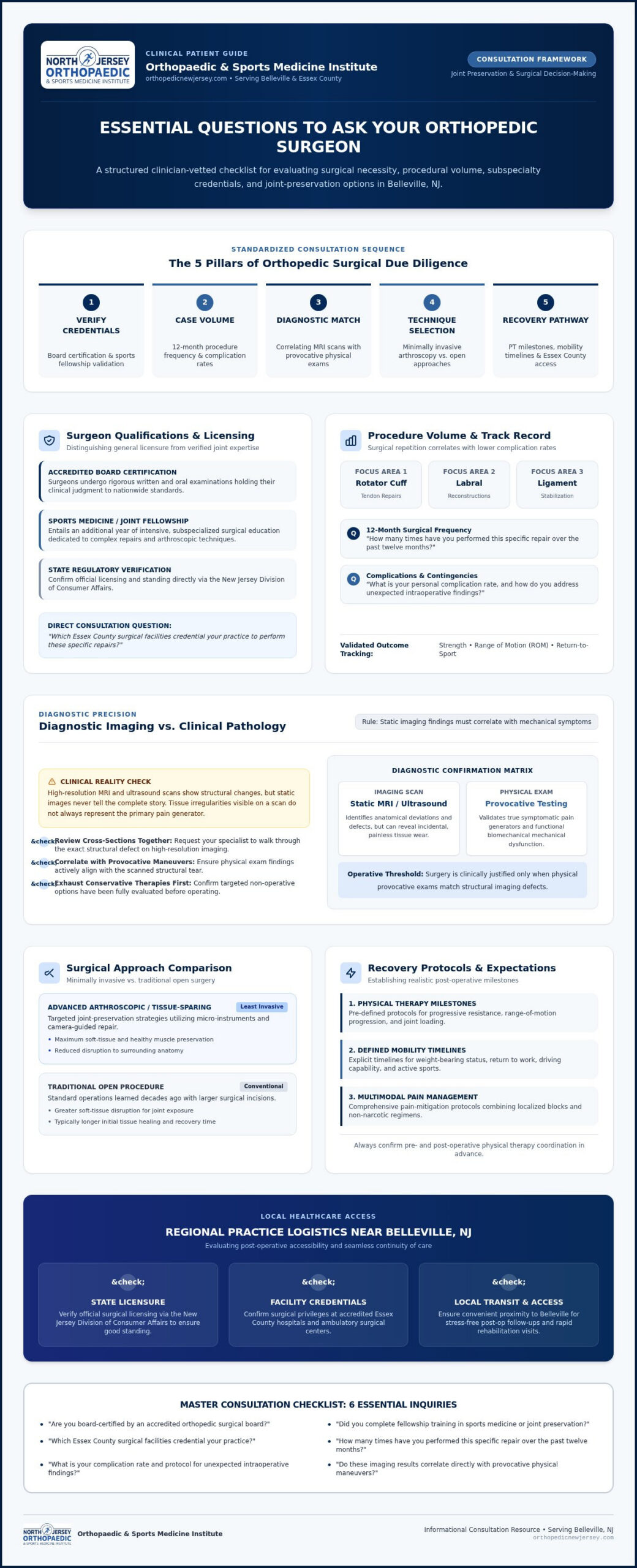
Any licensed medical doctor can legally market themselves for joint care, making board certification an indispensable baseline. When preparing your list of questions to ask orthopedic surgeon Belleville NJ specialists, focus on verified credentials and institutional affiliations:
- “Are you board-certified by an accredited orthopedic surgical board?” Board-certified surgeons undergo rigorous written and oral examinations that hold their clinical judgment to nationwide standards.
- “Did you complete fellowship training in sports medicine or joint preservation?” Fellowship-trained specialists complete an additional year of intensive, subspecialized surgical education dedicated to complex repairs and advanced arthroscopic techniques.
- “Which Essex County surgical facilities credential your practice?” Rigorous hospital and ambulatory surgical center credentialing provides a vital layer of third-party quality assurance.
Procedure Volume and Specific Clinical Track Record
High surgical repetition directly correlates with lower complication rates and improved long-term biomechanical outcomes. Knowing the exact questions to ask orthopedic surgeon Belleville NJ providers regarding procedural frequency protects you from surgical learning curves:
- “How many times have you performed this specific repair over the past twelve months?” A surgeon regularly performing rotator cuff repairs, labral reconstructions, or ligament stabilization operates with heightened tactile efficiency and pattern recognition.
- “What is your personal complication rate for this procedure, and how do you address unexpected intraoperative findings?” Candid providers readily discuss infection controls, tissue quality assessments, and contingency strategies for anatomical anomalies.
- “Do you track validated functional outcome scores for active patients?” Inquire whether the practice systematically evaluates strength, range of motion, and return-to-sport metrics months after intervention.
Diagnostic Clarity: Questions Regarding Conservative Alternatives and Imaging
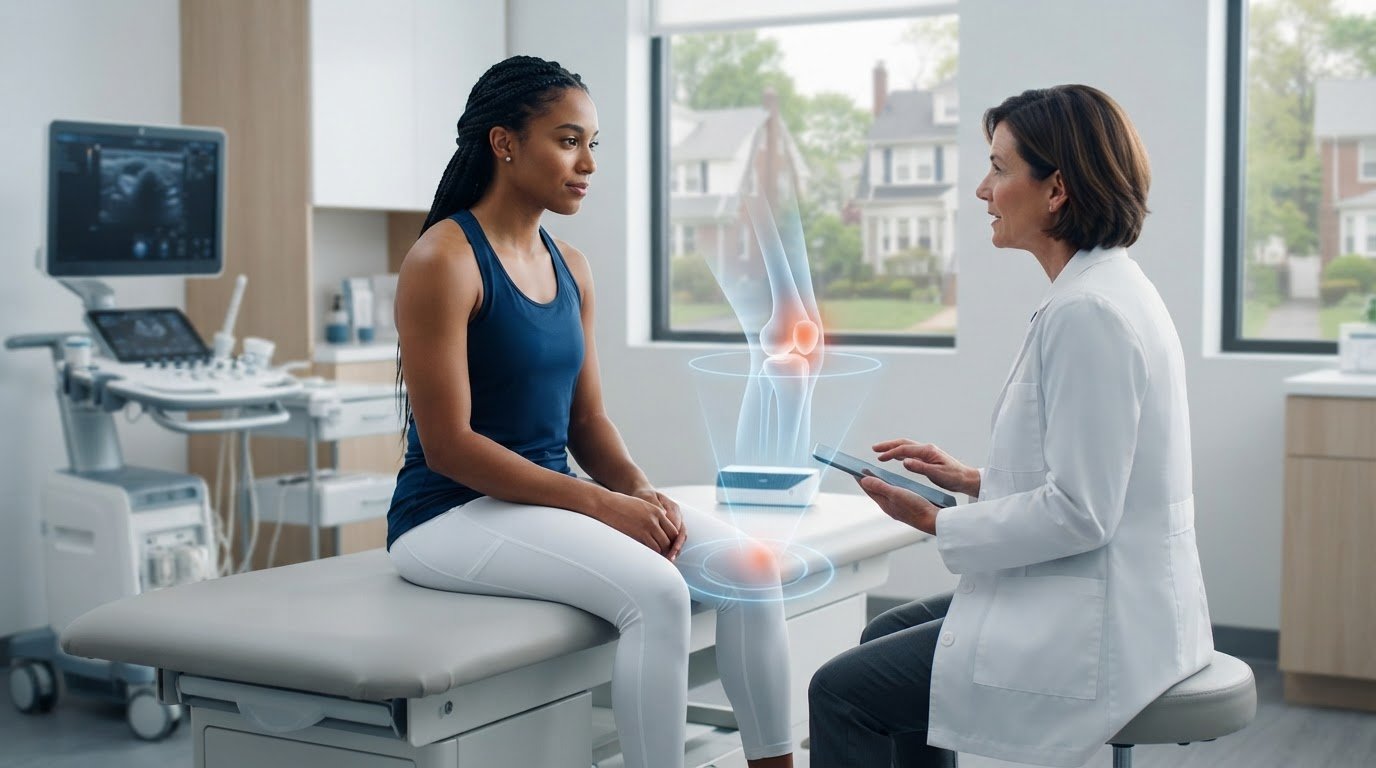
A surgical recommendation should be the culmination of a rigorous diagnostic process, not an initial reflex. High-resolution magnetic resonance imaging (MRI) and ultrasound scans reveal valuable structural details, yet static images never tell the complete story. Tissue changes visible on a scan do not always represent the primary pain generator. Incorporating targeted diagnostic inquiries into your checklist of questions to ask orthopedic surgeon Belleville NJ clinicians ensures that any operative plan directly targets your mechanical dysfunction rather than an incidental radiological finding.
Interpreting Diagnostic Imaging and Structural Pathology
Patients should actively review their diagnostic scans alongside their provider. Examining high-resolution cross-sections together transforms clinical data into clear visual benchmarks:
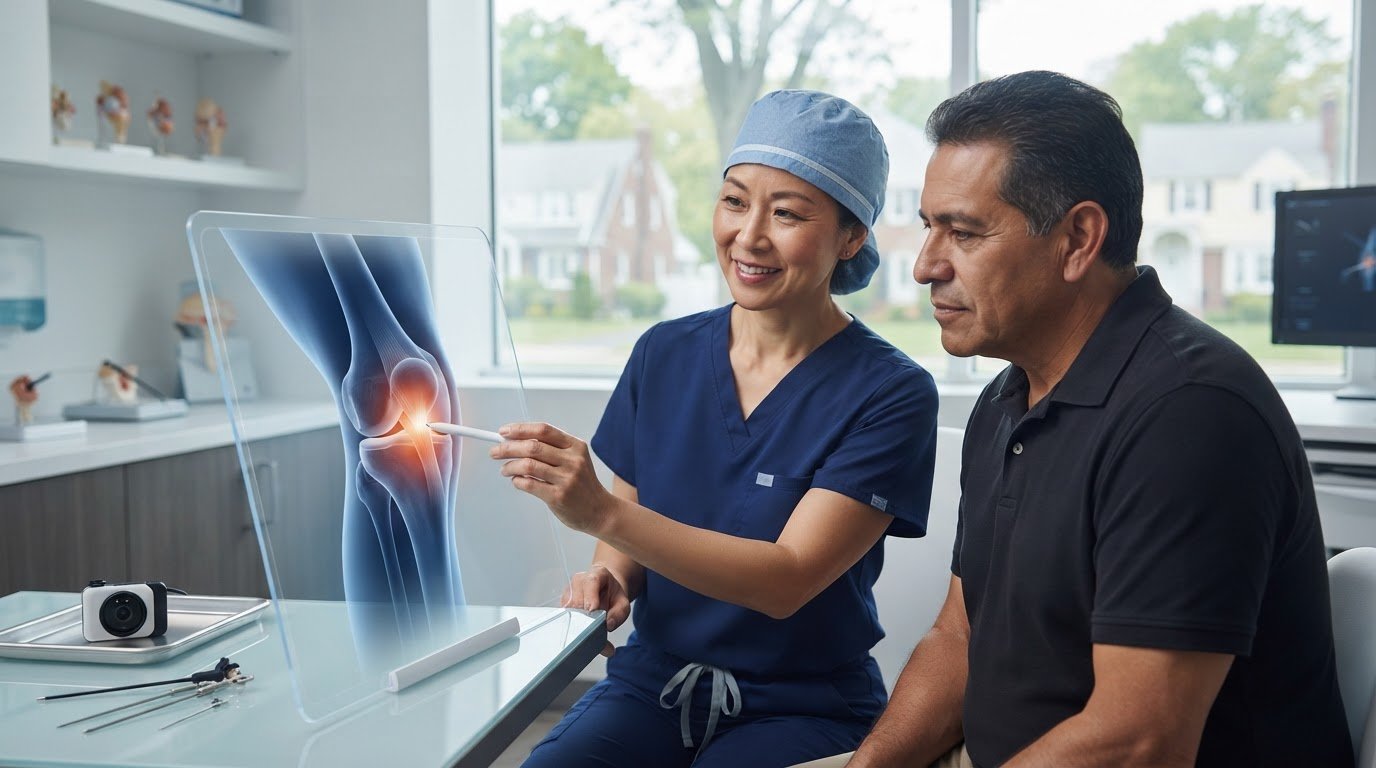
- “Can you walk me through the exact tear or structural defect on my scan?” A transparent specialist will orient you to the anatomy, showing where normal tissue ends and pathology begins.
- “Do these imaging results correlate directly with my clinical exam?” Static scans must align with provocative orthopedic maneuvers. Federal guidance on what to ask your doctor before joint replacement and major joint interventions stresses that imaging should validate physical symptoms, not dictate treatment in isolation.
- “Are secondary findings like cartilage fraying influencing your surgical plan?” Understanding whether surrounding tissue degeneration alters the prognosis helps clarify the procedural scope.
Exhausting Non-Operative Interventions Before Surgical Scheduling
Unless severe acute trauma causes complete joint instability, conservative management remains the gold standard initial defense. Framing strategic questions to ask orthopedic surgeon Belleville NJ teams allows you to thoroughly vet non-surgical pathways before entering an operating room:
- “What structured physical therapy protocols should we trial first?” Targeted eccentric strengthening and kinetic chain correction often relieve impingement and stabilize lax joints without surgical trauma.
- “Would localized anti-inflammatory injections help restore my baseline mechanics?” Corticosteroid or restorative injections can reduce acute synovial inflammation, allowing therapeutic exercise to succeed. For patients researching modern joint-preservation protocols, international centers like Medica Komórki Macierzyste illustrate how advanced regenerative therapies can provide viable alternatives to surgical intervention.
- “At what point does chronic joint wear require procedural care?” If you are managing structural wear through specialized shoulder arthritis treatment in NJ, your surgeon should define clear milestones where conservative care yields to operative intervention.
If persistent discomfort limits your daily mobility, schedule an objective second opinion with The Orthopaedic & Sports Medicine Institute to evaluate whether conservative management can resolve your condition.
Modern Surgical Techniques: Minimally Invasive vs. Traditional Approaches
Surgical methodology has shifted rapidly from extensive open incisions toward joint-preserving, tissue-sparing interventions. Traditional open procedures often require cutting through healthy musculature to access the damaged joint capsule, increasing post-operative pain and scar tissue formation. Expanding your list of questions to ask orthopedic surgeon Belleville NJ specialists helps you identify whether a surgeon routinely prioritizes arthroscopic visualization and modern biological restoration over disruptive traditional techniques.
Minimally Invasive Arthroscopy Versus Open Reconstructive Surgery
Arthroscopic technology utilizes miniature fiber-optic cameras and precision micro-instruments inserted through incisions smaller than a buttonhole. When discussing minimally invasive orthopedic surgery in NJ, ask your surgeon:
- “Can this pathology be repaired entirely through arthroscopic portals?” Minimizing soft-tissue dissection significantly reduces post-operative inflammatory responses, lowering infection risks and accelerating outpatient discharge readiness.
- “How will your chosen surgical approach affect muscular function around the joint?” Understanding anatomical pathways helps set clear expectations for voluntary muscle recruitment during physical rehabilitation.
Innovative Ligament Restoration and Native Tissue Preservation
Standard anterior cruciate ligament (ACL) surgeries traditionally excise the torn ligament and harvest healthy patellar or hamstring tendons to build a graft. Today, patients should ask whether their surgeon utilizes biological scaffolds that preserve native fibers and critical proprioceptive nerve endings:
- “Am I a candidate for BEAR® Implant ACL repair in New Jersey?” This bio-engineered implant stimulates your body’s natural healing cascade to bridge torn ligament ends without tendon harvesting.
- “How do you address labral detachment and capsule instability?” For active individuals facing shoulder trauma, advanced labral tear shoulder treatment leverages knotless suture anchors to re-establish anatomical rim tension without unnecessary cartilage abrasion.
Tendon Fixation and Rotator Cuff Reconstruction Inquiries
Repairing torn tendons requires robust mechanical fixation to withstand physiological tension during biological remodeling. Including hardware-focused questions to ask orthopedic surgeon Belleville NJ specialists clarifies the durability of the repair:
- “What fixation construct do you utilize for arthroscopic rotator cuff repair in NJ?” Modern double-row suture configurations maximize bone-to-tendon contact area, fostering superior structural integration compared to legacy single-row staples.
- “How do you evaluate intraoperative tissue quality?” Direct dynamic arthroscopy allows the surgeon to assess tendon vascularity and cellular health before placing tensioning anchors.
Recovery Expectations: Protocols, Rehabilitation, and Complication Management
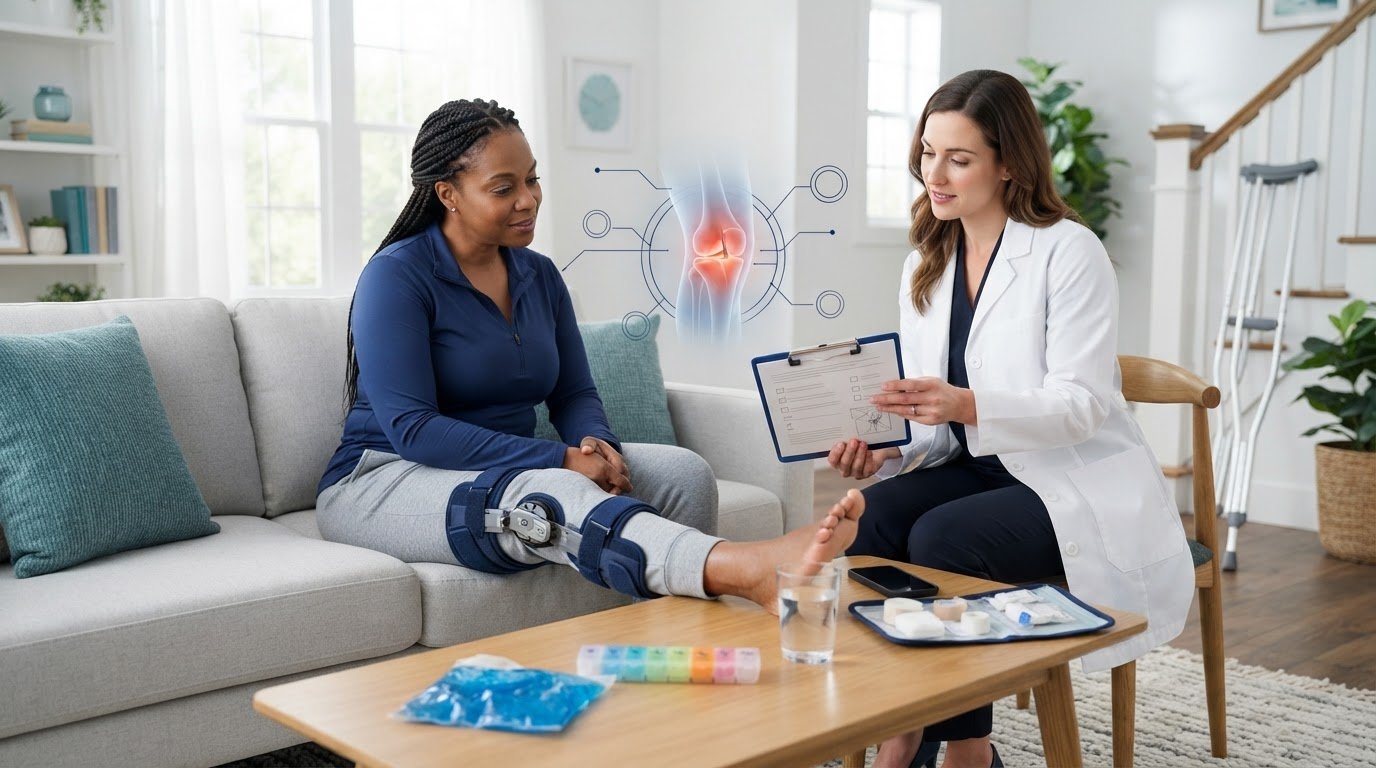
Surgical execution accounts for only half of a successful clinical outcome. The subsequent rehabilitation trajectory dictates whether your joint regains full biomechanical integrity or suffers from residual stiffness. Successful joint reconstruction relies heavily on biological remodeling, which requires a structured, criteria-based recovery plan. Integrating rehabilitation inquiries into your preliminary questions to ask orthopedic surgeon Belleville NJ practitioners helps establish transparent expectations long before anesthesia is administered.
Post-Operative Timelines and Objective Functional Milestones
Rigid calendar timelines fail to account for individual cellular healing rates and neuromuscular reactivation. Instead, patients must evaluate their surgeon’s criteria for functional progression:
- “What objective physiological criteria govern my transition off crutches or out of an immobilization brace?” Safe weight-bearing depends on active quadriceps control, reduced intra-articular effusion, and stable tendon-to-bone biology rather than arbitrary post-op days.
- “What functional benchmarks determine when I can safely drive and return to work?” Reflex latency, emergency braking capability, and freedom from narcotic analgesics represent non-negotiable safety prerequisites.
- “What multimodal pain management strategies do you employ to limit systemic opioid use?” Advanced peripheral nerve blocks, targeted cryotherapy, and scheduled non-steroidal anti-inflammatory regimens control acute inflammation effectively while safeguarding cognitive function.
Rehabilitation Coordination and Post-Discharge Clinical Support
The gap between the operating room and your physical therapy clinic is where complications can arise if communication falters. Adding logistics-driven questions to ask orthopedic surgeon Belleville NJ specialists bridges this transition across Essex County:
- “Do you provide a customized, phase-based physical therapy protocol for my therapist?” Your rehabilitation specialist needs clear instructions detailing graft protection restrictions, allowable degrees of passive motion, and closed-chain loading parameters.
- “What is the routine clinical appointment cadence during the initial post-operative month?” Regular follow-ups allow direct visual inspection of portals, suture removal, and early assessment of joint effusion.
- “What dedicated escalation protocol exists during weekday business hours if unexpected swelling occurs?” Knowing the direct communication path to clinical staff provides prompt medical guidance for sudden changes in swelling or drainage.
Prepare for a structured, successful recovery by booking an operative consultation with our specialized clinical team to review your customized post-operative rehabilitation roadmap.
Local Practice Logistics: Selecting Your Orthopedic Specialist Near Belleville, NJ
Technical expertise and surgical precision mean little if the logistical realities of your care create undue friction. Orthopedic recovery involves multiple perioperative touchpoints, from diagnostic reviews to wound evaluations and suture removals. Enduring a congested, forty-five-minute highway commute with an immobilized extremity quickly turns standard follow-ups into exhausting ordeals. Including regional logistical details in your list of questions to ask orthopedic surgeon Belleville NJ providers ensures your surgical journey remains smooth, accessible, and centered around your healing.
Geographic Proximity and Post-Operative Convenience
Selecting a clinical practice positioned immediately adjacent to your neighborhood preserves energy for physical rehabilitation. Evaluating local practice logistics helps you make an informed, stress-free decision:
- “Where will my surgical procedure and subsequent clinic visits take place?” Clarify whether outpatient interventions occur at a nearby surgical center or a regional hospital facility.
- “How accessible is the clinical facility for patients on crutches or in slings?” Ground-level access and dedicated patient parking significantly minimize physical discomfort during initial post-operative visits.
- “What advantages does a bordering facility offer for care continuity?” Choosing a specialized sports medicine clinic near Montclair, NJ, located right in Nutley, provides residents of Belleville, Bloomfield, and Clifton with rapid access to their surgical team without battling heavy regional transit.
Administrative Coordination and Next Steps for Belleville Patients
Insurance navigation and pre-authorization protocols should never delay critical joint care. Asking administrative questions to ask orthopedic surgeon Belleville NJ office staff establishes clear clinical communication from day one:
- “How does your team handle insurance precertification for advanced imaging and surgical procedures?” An organized administrative staff expedites approvals for magnetic resonance imaging, custom bracing, and outpatient facility fees.
- “What is the process for coordinating weekday clinical appointments?” Structured scheduling during standard weekday business hours ensures you receive dedicated, unhurried time with your physician.
The final step in your consultation checklist is evaluating surgeon-patient communication. A trustworthy specialist actively answers your concerns, presents conservative options first, and clearly justifies any operative recommendation. When you are ready to evaluate your joint health, schedule a thorough weekday consultation with board-certified orthopedic surgeon Dr. Michael C. Russonella, D.O., to explore advanced joint preservation techniques tailored to your active lifestyle.
Take Control of Your Surgical Consultation and Recovery
Entering an exam room prepared with targeted inquiries transforms your role from a passive patient into an informed healthcare advocate. Verifying credentials, insisting on diagnostic correlation, and demanding tissue-sparing options protect your long-term joint kinematics. Arming yourself with these essential questions to ask orthopedic surgeon Belleville NJ specialists ensures any operative recommendation prioritizes joint preservation over aggressive open procedures.
At The Orthopaedic & Sports Medicine Institute, board-certified orthopedic surgeon Dr. Michael C. Russonella, D.O., pairs advanced surgical precision with patient-centered transparency. As a pioneering provider of the BEAR® Implant for restorative ACL healing in New Jersey, our practice champions tissue-sparing interventions that accelerate functional rehabilitation. You don’t have to navigate joint instability or surgical uncertainty alone. Schedule your orthopedic consultation near Belleville at our Nutley clinic to evaluate your treatment options with a trusted local specialist.
Frequently Asked Questions
What are the most critical questions to ask an orthopedic surgeon before surgery?
The most critical questions focus on board certification, annual procedure volume, non-operative trials, and minimally invasive options. Prioritizing these targeted questions to ask orthopedic surgeon Belleville NJ specialists helps you gauge clinical experience and surgical necessity. Always ask why a procedure is indicated over physical therapy, what specific complications might arise, and what functional milestones define recovery rather than relying solely on arbitrary calendar timelines.
Why is board certification important when selecting an orthopedic surgeon near Belleville, NJ?
Board certification verifies that a surgeon has completed accredited post-graduate residency training, passed rigorous peer-reviewed clinical examinations, and met national practice standards. Any licensed physician can legally perform musculoskeletal evaluations, but a board-certified specialist demonstrates verified procedural competency. Selecting a certified specialist near Belleville guarantees your care adheres to standardized safety protocols and up-to-date surgical methodologies.
Should I ask my orthopedic surgeon about non-surgical alternatives first?
Yes, you should always explore conservative alternatives before committing to an operative procedure. Inquire about targeted physical therapy protocols, biomechanical modifications, and anti-inflammatory injection therapies. Unless you have acute mechanical joint instability, complex soft-tissue entrapment, or severe traumatic fractures, exhausting evidence-based non-operative care protects healthy joint tissue and establishes whether surgical reconstruction is truly required.
How do I know if I am a candidate for minimally invasive orthopedic surgery?
Candidacy depends on your specific pathology, tissue quality, and overall anatomical stability. Minimally invasive arthroscopy is ideal for rotator cuff repairs, labral re-anchoring, and joint debridement because it utilizes tiny portal incisions. Your surgeon determines eligibility by combining high-resolution MRI analysis with physical exam findings. Asking whether arthroscopic techniques can accomplish your joint repair ensures muscle tissue is spared during intervention.
What questions should I ask about the BEAR® Implant for ACL tears?
Ask whether your tear pattern and injury timeline qualify for native tissue preservation rather than autograft harvesting. Inquire about the surgeon’s specific volume with Bridge-Enhanced ACL Repair, the mechanical stability of the healing ligament, and the customized rehabilitation timeline. These essential questions to ask orthopedic surgeon Belleville NJ experts confirm whether your knee anatomy is suitable for biological healing with the BEAR® Implant.
How does proximity between Belleville and Nutley impact post-operative orthopedic recovery?
Proximity directly reduces the physical strain of traveling while immobilized in a brace, sling, or on crutches. Choosing a practice in Nutley, bordering Belleville, eliminates painful long-distance car rides for dressing changes, suture removals, and clinical assessments. Convenient access to your surgical team during standard weekday hours ensures seamless communication and timely post-operative evaluations throughout your rehabilitation journey.